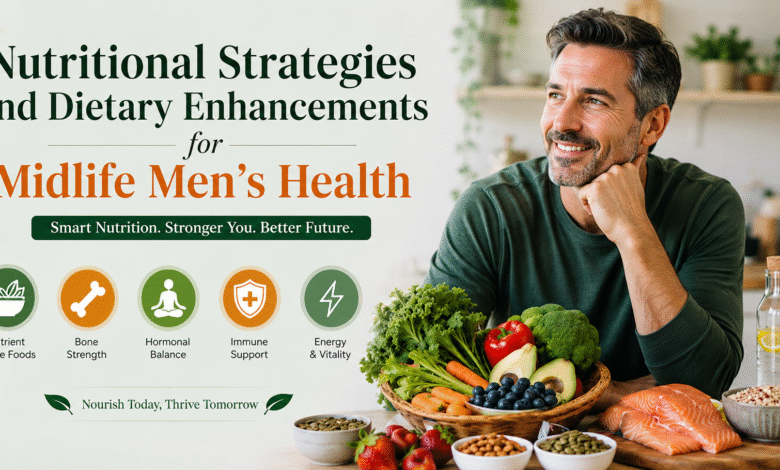
Midlife brings many changes, from shifting energy levels to changing metabolism and nutritional needs. Nutritional Strategies and Dietary Enhancements for Midlife Women’s Health can help women support their bodies through this important stage. The right foods can make everyday wellness easier.
Feeling tired, struggling with changing body composition, or finding it harder to maintain healthy habits can be frustrating. A balanced diet rich in protein, fiber, healthy fats, vitamins, and minerals can provide valuable support. Thoughtful menopause food supplements may also help fill specific nutritional gaps when needed.
Good nutrition is not about strict diets or quick fixes. It is about simple, sustainable choices that support bones, muscles, energy, digestion, and overall wellness. With the right approach, midlife can become a time to build healthier habits for the years ahead.
Why Nutrition Matters More During Midlife
Midlife can change how the body uses energy and nutrients. Good food choices can help meet these new demands. Protein supports muscle strength and daily energy. Calcium and vitamin D are important for maintaining strong bones.
Menopause food supplements may help cover certain nutritional gaps when appropriate. A balanced diet can make this stage feel more supported and manageable.
Build Every Meal Around High-Quality Protein
Protein is an important part of a balanced midlife diet. It helps support muscles, strength, and everyday movement. Choose simple sources like eggs, fish, yogurt, beans, or tofu. Adding protein to each meal can also help you feel satisfied for longer.
Pair it with vegetables, whole grains, or healthy fats for a more balanced meal. When needed, menopause food supplements can complement, not replace, nutritious protein-rich foods.
Prioritize Calcium and Vitamin D for Bone Health
Strong bones need steady support, especially during midlife. Calcium helps maintain bone structure and strength. Vitamin D helps the body absorb and use calcium effectively. Dairy foods, fortified alternatives, leafy greens, and fish can provide useful nutrients.
Some women may consider menopause food supplements when dietary intake does not meet their needs. A balanced diet and regular weight-bearing activity can further support healthy bones.
Make Fiber a Daily Priority
Fiber can make a simple diet more satisfying and balanced. It also supports comfortable digestion and everyday gut health.
- Add More Whole Foods: Choose oats, beans, fruits, and vegetables for an easy fiber boost.
- Build Balanced Meals: Pair fiber-rich foods with protein to help you stay satisfied for longer.
- Increase It Slowly: Add fiber gradually and drink enough water to help your body adjust comfortably.
Include Healthy Fats for Heart and Metabolic Wellness
Healthy fats can be a valuable part of a balanced midlife diet. They provide energy and help make meals more satisfying. Choose foods like avocados, olive oil, walnuts, seeds, and fatty fish.
These options can support a heart-friendly eating pattern when used in place of less healthy fats. Menopause food supplements may complement good nutrition when specific needs exist. Focus on variety, balance, and simple food choices for lasting wellness.
Explore Phytoestrogen-Rich Foods
Phytoestrogens are natural plant compounds found in several everyday foods. Soy foods, flaxseeds, beans, and lentils are useful sources to explore. Adding these foods can bring more variety to a balanced midlife diet.
They also provide protein, fiber, and other valuable nutrients. Menopause food supplements may offer additional nutritional support when appropriate. Keep your choices varied and focus on whole foods as the foundation.
Don’t Overlook Magnesium, B Vitamins, and Other Micronutrients
Micronutrients may be needed in small amounts, but they play important roles in daily wellness. Magnesium supports normal muscle and nerve function. B vitamins help the body release energy from food.
Colorful vegetables, whole grains, nuts, seeds, and legumes can provide many essential nutrients. Menopause food supplements may help support nutritional needs when diet alone falls short. Focus on variety to give your body a broader range of vitamins and minerals.
What About Menopause Supplements?
Supplements can be useful when daily meals do not provide enough of certain nutrients. They should support a healthy diet, not take its place.
- Check Your Needs: Choose supplements based on your individual nutritional needs rather than taking unnecessary products.
- Choose Thoughtfully: Look for clear ingredients, sensible doses, and products designed for midlife support, including menopause food supplements when appropriate.
- Use Them Wisely: Talk with a healthcare professional before starting supplements, especially if you take medicines or have specific health concerns.
Create a Practical Midlife Plate
A balanced plate can make midlife nutrition simple and stress-free. Start with plenty of colorful vegetables and fresh fruit. Add a protein source such as eggs, fish, beans, or tofu.
Include whole grains or other fiber-rich carbohydrates for steady nourishment. Healthy fats like avocado, seeds, or olive oil can complete the meal. When appropriate, menopausal food supplements can complement a nutrient-rich diet.
Small Changes Can Make Nutrition More Sustainable
Healthy eating does not need to feel strict or overwhelming. Small daily choices can create meaningful long-term habits. Add more vegetables, whole grains, and protein to regular meals. Keep simple, nourishing snacks ready when hunger strikes.
If needed, menopause food supplements can complement a balanced routine and help address specific nutritional gaps. Focus on progress, consistency, and choices you can comfortably maintain.
When Personalized Nutrition Makes Sense
Every woman experiences midlife changes differently, so nutrition needs may vary. Age, activity, diet, and lifestyle can all shape those needs. A personalized approach can help identify useful foods and nutrients. It may also prevent unnecessary restriction or supplement use.
Menopause food supplements can be considered when specific nutritional gaps are identified. Guidance from a qualified professional can make the plan safer and more practical.
The Bigger Picture: Nutrition Is One Part of Midlife Wellness
Nutrition is an important foundation, but midlife wellness involves more than food alone. Simple lifestyle habits can work together to support energy, strength, and everyday well-being.
- Stay Active: Regular walking, strength training, or other enjoyable movement can support muscles, bones, and overall fitness.
- Prioritize Rest: Consistent sleep and simple stress-management habits can help you feel more balanced throughout the day.
- Build a Complete Routine: Combine nourishing meals, movement, rest, and appropriate menopause food supplements for a more well-rounded approach.
Final Thoughts
Midlife nutrition is about supporting the body through meaningful changes. Choose protein, fiber, healthy fats, calcium, and nutrient-rich foods regularly. Simple meals can support strength, energy, and overall wellness.
Menopause food supplements may help fill specific nutritional gaps when appropriate. They should complement, not replace, a balanced diet. With consistent food choices, movement, rest, and personalized guidance, women can build healthier habits and feel more confident through midlife.
FAQ’s
1. Why Is Nutrition Important During Midlife?
Good nutrition supports energy, muscle strength, bone health, digestion, and overall wellness as the body changes.
2. Which Nutrients Should Midlife Women Prioritize?
Protein, calcium, vitamin D, fiber, healthy fats, magnesium, and key vitamins can support everyday nutritional needs.
3. Can Supplements Support Menopause Nutrition?
Yes. Menopause food supplements may help address specific nutritional gaps when used appropriately alongside a balanced diet.
4. What Is The Easiest Way To Improve Midlife Nutrition?
Start with simple changes, such as adding more vegetables, protein-rich foods, whole grains, healthy fats, and nutrient-dense snacks.