Commercial Waste Disposal vs Commercial Rubbish Collection: Which Does Your Business Actually Need?

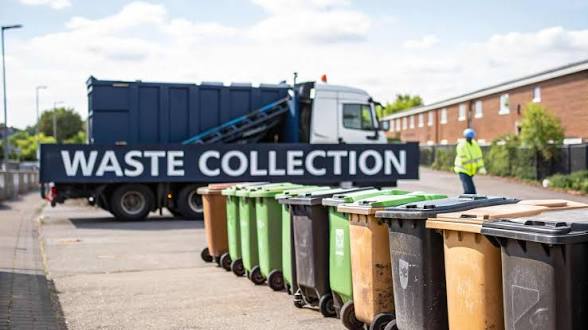
If you run a business in London whether it’s a restaurant, retail unit, office, construction site, or managed property you’ve almost certainly come across both terms: commercial waste disposal and commercial rubbish collection.
They sound similar. They’re often used interchangeably. But they’re not the same thing and choosing the wrong service for your needs can mean unexpected costs, compliance headaches, and in worst case scenarios, legal liability.
This guide exists to clear that confusion up for good.
By the end of this post, you’ll know exactly what each service involves, which one your business actually needs, what your legal obligations are as a UK business owner, and how to find a reliable, licensed provider in London who handles it properly.
Let’s get into it.
First, Why Does the Distinction Matter?
Before we define the terms, it’s worth understanding why this distinction matters beyond semantics.
Under UK law, every business that produces waste is legally classified as a waste producer. That status comes with real responsibilities that don’t disappear just because you’ve paid someone else to take your rubbish away.
Choosing the wrong type of service or choosing an unlicensed provider can result in:
- Fixed penalty notices from your local council
- Prosecution under the Environmental Protection Act 1990
- Fly tipping liability if your waste is illegally dumped by an unlicensed contractor
- Failed audits if you can’t produce waste transfer documentation
- Reputational damage if your business is linked to improper waste handling
Getting this right isn’t just about tidiness. It’s about legal compliance, financial protection, and running your business responsibly.
What Is Commercial Waste Disposal?
Commercial waste disposal refers to the complete process of managing business waste from the point of collection through to its final destination. This encompasses:
- Collection of waste from your premises
- Transportation to a licensed waste transfer station or treatment facility
- Sorting, processing, and segregating recyclable materials
- Final disposal whether through recycling, energy recovery, or landfill
- Issuing a waste transfer note as legal documentation
Disposal is the broader, end-to-end term. When you hire a company for commercial rubbish disposal, you’re engaging them across the full lifecycle of your waste, not just picking it up and moving it somewhere.
This is the service most businesses need when dealing with:
- Large volumes of mixed commercial waste
- Hazardous or specialist materials (cooking oils, electrical waste, chemical containers)
- Renovation or strip out debris from commercial premises
- Regular, contracted ongoing waste management
- One off full clearances of commercial properties
What Is a Commercial Rubbish Collection?
Commercial rubbish collection is a specific part of the waste management process; it refers to the physical act of collecting waste from your business premises and transporting it away.
Think of it as the “pick up and go” element. A collection service will:
- Come to your premises on a scheduled or on-demand basis
- Collect bagged, binned, or loose waste
- Load it into a licensed vehicle
- Transport it to an appropriate facility
Collection is often the term used for:
- Regular scheduled bin collections (daily, weekly, fortnightly)
- Bulky item pickups (old office furniture, equipment)
- Ad hoc or one off collections
- Overflow collections when your standard capacity isn’t enough
The difference to note: a collection service focuses on moving the waste. Disposal covers what happens to it after.
So Which Does Your Business Actually Need?
Here’s the honest answer: most businesses need both and most reputable providers offer an integrated service that covers the complete journey from your premises to lawful final disposal.
But the type of service you prioritise depends on your specific situation. Here’s a practical breakdown:
You Need Commercial Rubbish Collection If:
- You generate regular, predictable volumes of waste (retail packaging, food waste, office paper)
- You need a scheduled, recurring service on fixed days
- Your waste is predominantly general, non hazardous material
- You’re managing day to day operational waste rather than a one off clearance
You Need Commercial Waste Disposal If:
- You’re undertaking a full or partial clearance of commercial premises
- You’re dealing with mixed, bulky, or specialist waste streams
- You need documented end to end waste management for compliance purposes
- You’re handling a renovation, refit, or strip out project
- Your business is subject to audits or environmental compliance requirements
You Need Both If:
- You’re a property manager or facilities team overseeing multiple sites
- You run a food service or hospitality business with varied waste streams
- You’re managing a commercial property through a change of tenancy
- Your business is regulated and requires a complete, auditable waste trail
The Legal Framework: What UK Businesses Must Know
Commercial waste disposal is regulated under the Environmental Protection Act 1990 and the Waste (England and Wales) Regulations 2011. Here’s what matters to you as a business:
Duty of Care
Every business in the UK has a legal Duty of Care for its waste. This means you must:
- Store waste safely and securely on your premises
- Only use a registered waste carrier to remove it
- Ensure waste is transferred with a valid waste transfer note
- Keep records of waste transfer notes for a minimum of two years
Failure to comply with Duty of Care obligations can result in unlimited fines.
Waste Transfer Notes
Every time commercial waste leaves your premises, a waste transfer note must be completed. This document records:
- What the waste is (description and type)
- How much waste was collected
- Who collected it (carrier licence details)
- Where it’s going (facility name and address)
This note is your legal proof that waste was handled properly. Without it, you have no protection if your waste is later found to have been disposed of illegally.
Licensed Waste Carriers
It is illegal to hand your business waste to anyone who is not a registered waste carrier. Check any company’s registration on the Environment Agency’s public register before signing a contract or handing over a single bag of rubbish.
Commercial Waste in London: Why the City Creates Unique Challenges
London businesses face specific challenges that make choosing the right commercial rubbish collection provider even more important.
Volume and Density
London’s commercial districts the City, Canary Wharf, Soho, Shoreditch, Camden generate enormous volumes of waste in highly concentrated areas. Standard council collections are often insufficient, irregular, or simply not available to commercial premises at scale.
Access Restrictions
Narrow streets, loading bay restrictions, early morning noise restrictions, Controlled Parking Zones, ULEZ requirements a commercial waste provider operating in London needs to navigate all of this daily. An out of area operator often can’t.
Mixed Premises
Many London commercial properties are mixed use retail on the ground floor, offices above, residential above that. Waste streams from these buildings are complex, and a provider experienced in London’s commercial landscape is far better positioned to manage them correctly.
Compliance Scrutiny
London councils are among the most active in the country when it comes to commercial waste enforcement. Businesses found presenting waste incorrectly, using unlicensed contractors, or failing to produce waste transfer documentation face swift action.
How to Choose the Right Commercial Waste Provider in London
Whether you need ongoing commercial rubbish collection or a full commercial waste disposal service, here’s what to look for in a provider:
Licensing and Compliance
- Environment Agency registered waste carrier
- Public liability insurance
- Waste transfer notes issued on every job
Service Flexibility
- Can they accommodate your specific waste types?
- Do they offer both scheduled collections and one off clearances?
- Can they scale up for larger clear outs or renovation projects?
Transparent Pricing
- Fixed contracts or clear per job pricing no hidden surcharges
- No lock in clauses that leave you trapped with poor service
Local Knowledge
- Do they operate regularly in your London borough?
- Do they understand access restrictions, loading bay logistics, and noise curfews?
- Can they provide references from other London businesses?
Recycling Commitment
- What percentage of commercial waste do they divert from landfill?
- Do they segregate and recycle materials where possible?
- Can they provide recycling data for your environmental reporting?
WeClear Junk: Commercial Waste Disposal and Rubbish Collection for London Businesses
At WeClear Junk, we work with businesses across London providing fully licensed, end-to-end commercial waste clearance London services from regular scheduled collections to full commercial property clear outs.
We understand that businesses don’t just need waste removed. They need it removed correctly, documented properly, and handled in a way that keeps them on the right side of their legal obligations.
Our commercial services include:
- Scheduled commercial rubbish collection daily, weekly, or fortnightly
- One off and emergency commercial waste disposal including same day availability
- Office and retail clear-outs full or partial, including furniture and equipment
- Renovation and construction waste builder’s rubble, plasterboard, timber, and mixed debris
- Restaurant and hospitality waste including packaging, furniture, and equipment removal
- End of tenancy commercial clearances for landlords, agents, and outgoing tenants
Every job comes with a waste transfer note, and we’re fully registered with the Environment Agency.
If your business needs business rubbish removal you can rely on fixed price, fully documented, and carried out by a local London team get in touch for a free, no obligation quote.
Real Business Scenarios: Which Service Applied
Scenario 1: The Restaurant Refit
A restaurant group in Brixton was refitting three sites simultaneously. They needed old kitchen equipment, flooring, tiles, and general build debris removed within tight timelines. This was a commercial waste disposal job of large volume, mixed materials, requiring documented disposal at a licensed facility.
Scenario 2: The Managed Office Block
A facilities manager overseeing a six floor office building in the City needed a reliable weekly collection of general office waste, plus occasional bulky item pickups when teams cleared desks. This was primarily a commercial rubbish collection needed to be regular, scheduled, predictable.
Scenario 3: The Retail Unit Handover
A fashion retailer vacating a Westfield unit needed the entire space cleared of fixtures, fittings, packaging waste, and miscellaneous items before the landlord’s inspection. This required both: collection of everything in a single visit and full disposal documentation for the estate agent.
(FAQs)
Q1: Is commercial waste disposal the same as business waste collection?
A: Not exactly. Commercial rubbish collection refers specifically to collecting waste from your premises and transporting it away. Commercial waste disposal covers the full journey collection, transportation, and lawful final disposal along with the legal documentation that comes with it. Most professional services integrate both, but it’s important to confirm what’s included when you get a quote.
Q2: Do I need a separate waste contract as a business, or can I use the council?
A: Local councils in England are not legally obligated to collect commercial waste. Some offer limited commercial collections for a fee, but most businesses need to arrange a private commercial rubbish collection contract or use an on-demand disposal service. Check your local council’s policy, but assume you’ll need a private provider.
Q3: What happens if I use an unlicensed waste carrier for my business?
A: As the waste producer, you retain legal responsibility for your waste even after you’ve handed it over. If an unlicensed carrier tips your waste, you can face investigation, fines, and prosecution under the Environmental Protection Act 1990. Always verify carrier licences before hiring anyone.
Q4: How often should a business arrange commercial rubbish collection?
A: This depends on your waste volume and type. A busy restaurant or retail unit may need daily or every other day collections. A small office may be fine with weekly collections. A good waste provider will assess your output and recommend a collection frequency that keeps your premises compliant and your costs controlled.
Q5: What is a waste transfer note and does my business legally need one?
A: Yes it’s a legal requirement under the Environmental Protection Act 1990. A waste transfer note is a document that records the details of every waste transfer from your premises. You must keep copies for at least two years. Any reputable commercial waste disposal company will issue these automatically.
Stop Guessing , Get the Right Service for Your Business
The distinction between commercial waste disposal and commercial rubbish collection isn’t just terminology. It reflects different needs, different legal requirements, and different levels of service and getting it wrong can cost your business time, money, and compliance standing.
Most London businesses need some combination of both: regular, reliable collection for day to day operational waste, and full documented disposal for larger clear-outs, refits, and one off projects.
The simplest way to get this right is to work with a single, licensed, locally trusted provider who understands both and handles the paperwork, the logistics, and the responsible disposal so you don’t have to.
WeClear Junk is that provider for hundreds of London businesses. Whether you need business rubbish removal on a regular schedule or a one off commercial clearance, our team is ready to deliver a service that’s fast, fully documented, and fully compliant.