The King Size Upgrade Cycle: How UK Bedroom Size and Sleep Quality Are Driving Mattress Purchases

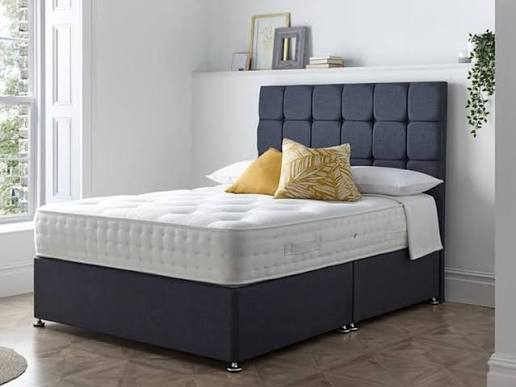
For decades, the standard double mattress held an undisputed crown in British homes. It was the default choice for couples, fitting comfortably into Victorian terraces, suburban semi-detached houses, and modern city apartments alike. However, over the past decade, a major shift has reshaped the UK bedding market. British sleepers are increasingly stepping away from standard doubles in favor of king size mattresses. Driven by a growing recognition of sleep ergonomics and a desire for hotel-level comfort at home, homeowners are reassessing their bedroom layouts to prioritize sleep quality. This ongoing transition—often referred to as the king size upgrade cycle—reflects how modern lifestyle demands and physical wellness are changing how the UK shops for beds.
The Space Deficit: Why Standard Double Beds Constrain Sleep Quality
To understand why so many UK households are upgrading, it helps to analyze the physical dimensions of traditional British sleeping arrangements. A standard UK double mattress measures 135 centimeters wide by 190 centimeters long. When shared between two adults, each person receives just 67.5 centimeters of personal sleeping width. To put that in perspective, that is less width per person than a standard single child’s bed.
This spatial limitation directly impacts sleep architecture and night-time disturbance. During a typical night, an adult shifts positions dozens of times to relieve pressure and regulate temperature. In a standard double, any routine arm extension or leg movement easily crosses into a partner’s sleeping space. This proximity leads to micro-awakenings—brief interruptions in sleep depth that prevent individuals from completing restorative REM and deep sleep cycles. Buyers quickly realize that cramped sleeping arrangements are a primary source of morning fatigue, prompting them to seek larger sleeping surfaces.
The Physical Dimensions and Ergonomic Advantages of the King Size
Upgrading to a UK king size mattress provides an immediate expansion in both width and length, measuring 150 centimeters wide by 200 centimeters long. That extra 15 centimeters of width grants each partner crucial personal space, significantly lowering the risk of accidental contact and movement disturbance. Couples can stretch, shift positions, and turn over comfortably without triggering a cascade of motion across the mattress.
Equally important is the additional 10 centimeters of length. British populations have grown taller over recent generations, and standard 190-centimeter beds frequently leave taller individuals with their feet dangling off the end or forced into uncomfortable diagonal positions. The extended 200-centimeter profile of a king size mattress allows taller sleepers to lie completely flat, preserving proper spinal alignment from head to toe. For homeowners evaluating room spatial requirements and frame dimensions, consulting the full Hypnos king size guide details how expanding to a larger footprint enhances daily sleep ergonomics while integrating cleanly into standard master bedrooms.
Evolving UK Bedroom Design and Spatial Realities
A common hurdle for UK buyers contemplating the king size upgrade is the layout and square footage of British homes. Historically, smaller bedroom dimensions led homeowners to play it safe with smaller furniture. Today, however, interior design trends emphasize prioritizing the bed as the central functional piece of the room rather than squeezing in extra oversized dressers or bulky armoires.
Modern interior layouts utilize clever storage solutions—such as built-in wardrobes, floating bedside tables, and under-bed ottoman storage bases—to free up floor space. By streamlining surrounding bedroom furniture, homeowners can easily accommodate a 150-by-200-centimeter bed frame while maintaining comfortable walkways around the perimeter. As a result, even modestly proportioned master bedrooms in older properties or new-build developments are being reconfigured to fit a king size sleeping surface without feeling cluttered.
Partner Comfort, Motion Isolation, and Dual-Tension Options
The drive toward larger sleeping surfaces is also fueled by advancements in luxury mattress engineering. In a smaller bed, motion transfer is virtually inevitable. When one partner rolls over or gets up early, kinetic energy travels across the entire spring structure, waking the other person. A king size mattress naturally dampens motion transfer simply by offering a wider physical surface area over which movement energy can dissipate.
Furthermore, a larger mattress surface allows luxury manufacturers to incorporate advanced pocket spring systems that cater to differing partner needs. Higher-end king size mattresses frequently offer dual-tension options, combining medium support on one side with firm support on the other within a single seamless casing. This custom internal tailoring solves a classic relationship dilemma, allowing two individuals with vastly different body weights or sleeping styles to enjoy tailored spinal alignment side by side without compromising on comfort.
Temperature Management across Larger Sleeping Surfaces
Overheating is one of the most common causes of fragmented sleep, especially during warmer seasons or in well-insulated modern homes. When two people sleep in close proximity on a compact double mattress, body heat becomes trapped between them, creating an uncomfortable microclimate that causes tossing and turning.
Expanding to a king size mattress creates better airflow between partners. The extra personal space allows body heat to radiate away naturally rather than accumulating in the center of the bed. When paired with high-quality natural fillings such as traceable British wool, cotton, and horsehair, a larger mattress surface promotes continuous moisture wicking and air movement. The result is a cool, fresh sleeping environment that maintains a steady temperature throughout the night.
The Long-Term Value of Investing in Restorative Sleep
Upgrading to a king size mattress requires a higher financial commitment, not only for the mattress itself but also for larger bed frames, mattress protectors, and fitted bedding. However, UK consumers increasingly view this expense through the lens of long-term health and well-being. Quality sleep directly influences daily productivity, immune function, mental clarity, and cardiovascular health.
When evaluated over a standard ten-year mattress lifespan, the price difference between a standard double and a luxury king size mattress amounts to a negligible cost per night. By eliminating spatial restriction, preventing motion disturbance, and supporting proper spinal alignment, the king size upgrade delivers a massive return on investment in the form of deeper, uninterrupted rest.
Embracing the New Standard for British Master Bedrooms
The transition from standard double beds to king size mattresses is far more than a passing home decor trend; it is a fundamental shift in how people value their physical recovery. As British homeowners place greater focus on wellness, ergonomics, and high-quality home environments, the king size mattress has established itself as the new benchmark for master bedrooms across the UK.
By choosing a spacious, expertly engineered king size surface, sleepers eliminate the physical constraints that lead to restless nights. Combining generous proportions with natural temperature regulation and independent pocket spring support transforms the daily sleeping routine into a restorative experience. Ultimately, the king size upgrade cycle represents a smart, forward-thinking investment in long-term health, comfort, and daily vitality.