The property industry has never been especially quick to embrace technological change, but the past few years have accelerated a shift in how certain professional services are delivered that shows no signs of reversing. Among the most significant of these changes is the growing capability and acceptance of remote property valuations, a development that is reshaping how homeowners access professional advice, how agents and surveyors manage their workload, and how the relationship between physical inspection and digital intelligence is understood within the valuation process.
For anyone looking to value my home in the current market, understanding what remote valuations can and cannot do, and when they represent an appropriate substitute for a physical appointment, is increasingly relevant and practically useful knowledge.
What Remote Valuations Actually Involve
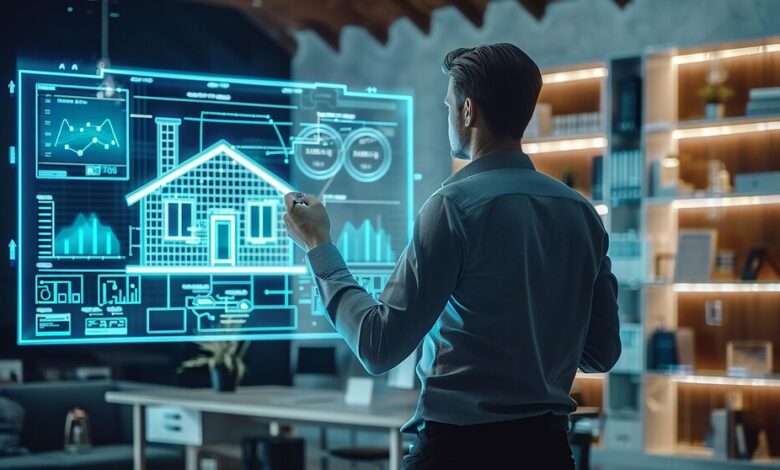
A remote property valuation is an assessment of a property’s market value conducted without a physical visit to the property by the professional carrying out the assessment. The term encompasses a range of approaches that vary considerably in their rigour and reliability. At the most basic level, a desktop valuation draws on publicly available data, including Land Registry sold prices, portal listing history, and EPC records, to generate an estimate without any direct engagement with the homeowner. At a more sophisticated level, remote valuations involve a structured video consultation in which the homeowner or an appointed representative walks a professional through the property in real time, allowing the valuer to observe the condition, layout, and distinguishing features of the home in a way that a purely data-driven assessment cannot replicate.
The video-assisted approach, which became considerably more widely used during the period when physical visits were restricted and which has since established itself as a permanent option in many firms’ service offerings, bridges the gap between the convenience of a remote assessment and the observational quality of an in-person inspection more effectively than any purely automated alternative.
Where Remote Valuations Add Genuine Value
The clearest use cases for remote valuations are those where the primary requirement is speed, convenience, or a preliminary sense of market position rather than the depth of assessment that a formal valuation for legal, tax, or mortgage purposes demands. A homeowner who wants a current view of their property’s approximate value for financial planning purposes, without the disruption and commitment of a full in-person appraisal, may find a well-conducted remote assessment entirely sufficient for their immediate needs.
For lenders assessing the risk profile of a remortgage application on a property with a recent and clearly established transaction history, an automated or desktop assessment can provide the reassurance they require at a fraction of the cost and time of a physical inspection. This application of remote valuation capability has become increasingly embedded in mainstream mortgage lending practice, contributing to faster processing times for straightforward applications where the risk profile is well understood.
The Limitations That Physical Inspection Resolves
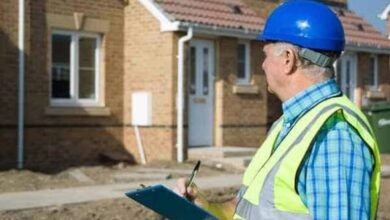
The most significant limitation of any remote valuation, whether conducted through a video walkthrough or a purely automated process, is the absence of the sensory and contextual intelligence that a physical visit provides. An experienced valuer walking through a property will notice the dampness behind a freshly painted wall, the inadequacy of a boiler that is technically operational but approaching the end of its serviceable life, the noise from a nearby road that is not apparent from the street and would not be visible on any map, and the quality of natural light at different times of day in the principal living spaces.
These observations influence a valuation in ways that neither a video feed nor a data model can replicate, and their absence from a remote assessment creates a margin of uncertainty that is acceptable in some contexts and unacceptable in others. For a homeowner seeking a rough sense of market position, that margin may be manageable. For a buyer making an offer, a lender advancing a significant loan, or an executor establishing the value of an estate for probate purposes, it is not.
The Hybrid Approach and Its Growing Relevance
The most practically useful development in this area is not the replacement of physical valuations by remote ones but the emergence of hybrid approaches that combine the efficiency of remote assessment with the observational quality of selective physical inspection. A valuer who reviews the available data and conducts a video consultation before visiting the property in person is better prepared for that visit and can conduct it more efficiently, focusing their attention on the specific aspects of the property that the remote stage has identified as requiring closer inspection.
This hybrid model suits both the professional, who can manage their time more efficiently, and the homeowner, who benefits from a more focused and better-prepared appointment. As the tools available for remote assessment continue to improve, the balance point between remote and physical elements of the valuation process will continue to evolve, but the fundamental requirement for human judgement, applied with genuine local knowledge and professional accountability, is unlikely to diminish regardless of how the technology develops.