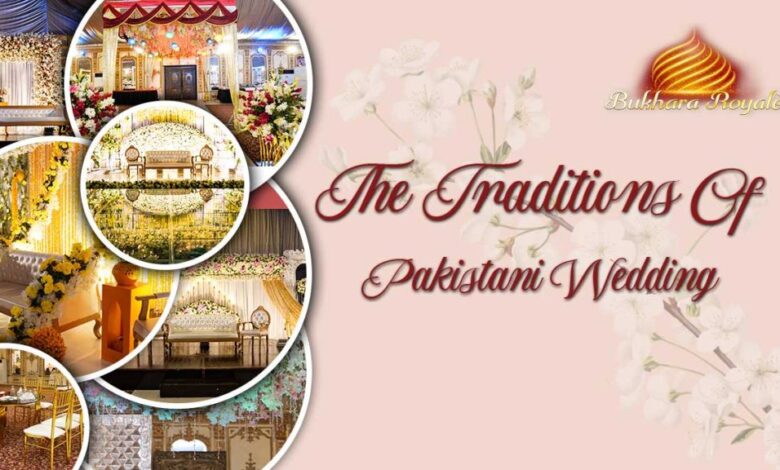
Pakistani weddings are not usually quiet, one-day events. They are colourful, emotional and full of movement, with several days of family gatherings, music, food, clothing and ceremony. For visitors, they can offer one of the most vivid introductions to Pakistani culture.
For travellers searching for cheap flights to Pakistan, a wedding invitation can be the perfect reason to plan a trip. It gives the journey a personal focus and offers a chance to see traditions that are usually experienced from inside the family circle rather than as a tourist.
What makes Pakistani weddings special is the mix of formality and warmth. There are set customs, but every family brings its own style. Some weddings are grand and heavily planned. Others are simpler and more intimate. Most involve generous hospitality, late nights and a strong sense of togetherness.
Pakistani weddings often last several days
A typical Pakistani wedding can include several events, though the exact structure depends on the family, region and budget. Common celebrations include the dholki, mehndi, nikah, baraat and walima.
The dholki is usually a smaller pre-wedding gathering with music, singing and family involvement. It can happen at home and often feels relaxed compared with the main events.
The mehndi is one of the most colourful parts of the wedding. It usually includes music, dance, bright clothing and henna. Guests often wear yellows, greens, oranges and other vibrant colours. This is the event where the mood feels most festive.
The nikah is the Islamic marriage contract and is the most important religious part of the wedding. It may be held at home, in a mosque, in a wedding hall or alongside another event.
The baraat is traditionally the groom’s procession and one of the main wedding events. The bride’s family hosts the groom’s side, and the evening often includes formal entrances, photography, dinner and emotional family moments.
The walima is the reception hosted by the groom’s side after the marriage. It is often more formal and polished, with guests gathering for dinner, photos and congratulations.
Clothing is a major part of the celebration
Pakistani wedding fashion is rich, detailed and expressive. Brides often wear heavily embroidered outfits in red, gold, maroon, ivory, pastels or jewel tones, depending on the event. Groom outfits can include sherwanis, waistcoats, suits or traditional regional dress.
Guests also dress carefully. Women may wear lehengas, ghararas, shararas, sarees, anarkalis or formal shalwar kameez. Men often wear sherwanis, waistcoats, suits or smart shalwar kameez.
Each event has a different dress code in practice, even if it is not written down. Mehndi outfits are usually brighter and more playful. Baraat clothing tends to be formal and traditional. Walima looks are often elegant and slightly softer in colour.
For visitors attending a wedding, it is worth asking the family what to wear for each event. Pakistani weddings are welcoming, but dressing respectfully and making an effort is always appreciated.
Food is at the centre of every event
No Pakistani wedding is complete without a serious meal. Food is not a small detail. It is one of the things guests remember and discuss long after the event.
Menus vary, but popular dishes can include biryani, pulao, chicken karahi, qorma, kebabs, naan, raita, salads, haleem and barbecue. Desserts may include gulab jamun, kheer, gajar ka halwa, ras malai, kulfi or traditional sweets.
The food can differ by region. A Lahori wedding may lean heavily into rich Punjabi flavours. A Karachi wedding might include biryani and a mix of regional influences. In other areas, local specialities may appear alongside standard wedding dishes.
Food service is often fast and busy. Once dinner opens, guests may move quickly towards the buffet or serving area. For first-time visitors, it can feel intense, but it is all part of the rhythm.
Music and dance bring people together
Music plays a major role, especially at mehndi and dholki events. Families may prepare dance performances, sing traditional songs or hire musicians and DJs. Younger relatives often take the lead, but older family members may join in too.
The dance performances are not only entertainment. They are a way for families to take part in the celebration. A cousin’s dance, a sibling’s surprise performance or a group routine can become one of the most remembered moments of the wedding.
Some families keep music simple and traditional. Others create full stage productions with lighting, choreography and professional filming. The scale changes, but the feeling is usually the same: everyone is there to celebrate the couple.
Photography has become a major wedding feature
Modern Pakistani weddings are often carefully photographed and filmed. Couples may have pre-wedding shoots, cinematic videos, drone footage, staged entrances and detailed photo sessions across several events.
This has changed how weddings feel. There is often a balance between enjoying the moment and making sure it is captured properly. Bridal portraits, family photos and couple shoots can take time, especially at the main events.
For guests, this means patience helps. Photos are a big part of the day, and family members often want pictures with the bride and groom.
Family is the heart of the wedding
Pakistani weddings are not only about two people getting married. They are family events in the widest sense. Parents, siblings, grandparents, cousins, aunts, uncles, neighbours and family friends all play a role.
There may be emotional moments, especially during the rukhsati, when the bride traditionally leaves with the groom’s family. This part of the wedding can be deeply moving, with tears, prayers and embraces.
At the same time, weddings are also full of humour and noise. Family teasing, last-minute planning, children running around, relatives arriving late and guests catching up after years apart are all part of the experience.
That mix of emotion and chaos is what makes the event feel human.
Regional traditions add variety
Pakistani weddings are not identical across the country. Punjabi, Sindhi, Pashtun, Baloch, Kashmiri, Urdu-speaking and other communities may each bring different customs, clothing styles, music and food.
In some families, traditions are strongly followed. In others, weddings are more modern and blended. Urban weddings in Lahore, Karachi and Islamabad may look different from village weddings or smaller-town celebrations.
This variety is part of what makes Pakistani weddings interesting. There is no single version, only a shared spirit of hospitality, family and celebration.
What visitors should know before attending
If you are invited to a Pakistani wedding, expect late nights. Events often start later than the printed time, and dinners may be served late by Western standards. It is best not to arrive too hungry or plan an early morning afterwards.
Dress modestly but festively. Ask about colours and formality if you are unsure. Bring a gift or follow the family’s guidance on what is appropriate. Be respectful during the nikah and any prayers.
It is also normal to meet many people at once. Families can be large, and introductions may happen quickly. A warm attitude matters more than knowing every custom perfectly.
Why Pakistani weddings stay in the memory
A Pakistani wedding can be loud, emotional, tiring and beautiful all at once. There may be long waits, heavy outfits, crowded halls and endless photos, but there is also warmth that is hard to miss.
The food, colours, music and rituals all matter. But what guests often remember most is the feeling of being included. Pakistani weddings are built around hospitality, and visitors are usually welcomed generously.
For anyone travelling to Pakistan for a wedding, the event can become much more than a celebration. It can be a window into family life, cultural pride and the joy of people coming together.