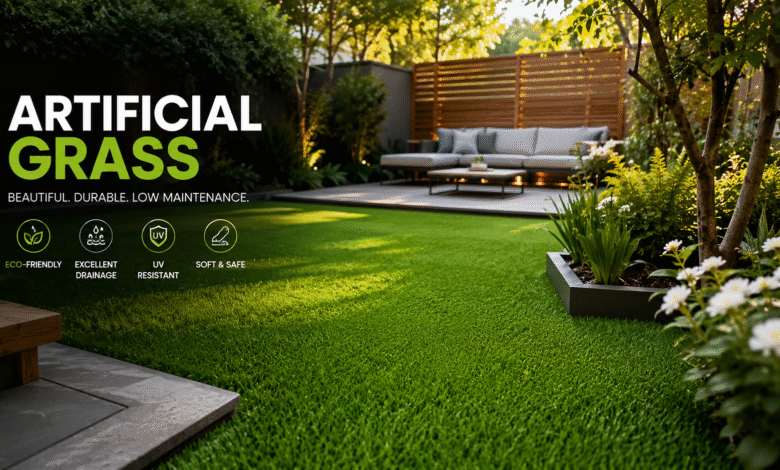
Shaded gardens can be some of the hardest outdoor spaces to get right. They often look full of potential on paper, but in reality they come with a familiar set of frustrations. Real grass struggles to stay thick and healthy, damp patches linger after rain, moss appears more quickly than you would like, and the whole space can end up feeling darker and more difficult to maintain than the rest of the garden.
That is one of the reasons more homeowners start looking at artificial grass. A shaded garden may not get the sunlight needed for a natural lawn to thrive, but it can still become a clean, practical, attractive space with the right surface in place.
The short answer is yes, artificial grass can work very well in shaded gardens. In fact, for many homes, it works better there than natural grass ever could. The key is understanding why shaded gardens behave differently, what to look for in the product and installation, and how to keep the surface fresh once it is in place.
If you are wondering whether artificial grass for shaded gardens is actually a good idea, here is what you need to know.
Why Shaded Gardens Are Often Difficult to Maintain
Shade changes how a garden behaves. It is not just about less sunlight. It is also about how moisture, temperature, and airflow interact in that space.
In gardens with heavy shade from walls, fences, buildings, or mature trees, natural grass often struggles because it simply does not get enough light to grow strongly. That leads to thin patches, dull colour, and weak areas that wear down quickly. If the garden also stays damp for long periods, moss and weeds often become part of the problem too.
This is especially common in:
- north-facing gardens
- narrow side returns
- enclosed courtyards
- spaces beneath trees
- gardens bordered by tall fences or walls
In these areas, trying to keep a natural lawn looking good can become an ongoing effort. Reseeding, patch repair, moss removal, and general recovery work can turn into a regular cycle.
That is why shaded gardens are often less about “how do I make real grass work?” and more about “what surface actually suits this space better?”
Why Artificial Grass Can Be a Better Fit for Shade
Artificial grass does not rely on sunlight to stay green. That alone makes it a strong option in low-light areas where natural grass would usually struggle.
Instead of trying to survive in a garden that does not give it the right growing conditions, artificial grass simply provides a consistent surface from the start. It stays even in colour, does not thin out because of weak light, and avoids the patchy look that makes many shaded lawns appear tired.
That does not mean every shaded garden should automatically have artificial grass. But it does mean that in many cases, it is the more practical choice.
A good artificial lawn in a shaded space can offer:
- a tidier year-round appearance
- less mud and patchiness
- lower maintenance than natural turf
- a more usable space after rain
- a cleaner finish in awkward low-light areas
For homeowners who are tired of fighting with a lawn that never really thrives, that can be a major improvement.
The Biggest Benefit Is Consistency
One of the most frustrating things about real grass in shade is that it can look fine for a while, then suddenly start thinning, yellowing, or going mossy again. The garden never quite feels settled.
Artificial grass changes that because it gives the space consistency. The colour stays the same. The surface remains even. You are not waiting for stronger growth in spring or trying to rescue weak patches after winter.
This consistency is often what makes the biggest visual difference in darker gardens. A shaded area that once looked tired and difficult can suddenly feel more finished and intentional.
That is one reason homeowners comparing local options like artificial grass Nottingham often see strong value in synthetic turf for darker back gardens and enclosed outdoor spaces where natural grass has repeatedly disappointed.
Drainage Matters More in Shaded Gardens
This is one of the most important points, and one that should never be overlooked.
Artificial grass can work very well in shade, but only if the drainage is right. Shaded areas naturally stay wetter for longer because they get less sun and often less airflow. That means poor drainage becomes much more noticeable there than it would in a brighter, more exposed part of the garden.
If the surface underneath is weak, uneven, or badly prepared, water can sit in the area too long. Once that happens, you are more likely to deal with:
- damp patches
- lingering odours
- moss or algae buildup
- a less pleasant feel underfoot
That is why installation quality matters so much in shaded gardens. The grass itself is only part of the system. A well-prepared base and reliable drainage underneath are what allow the lawn to perform properly over time.
If you are putting artificial grass into a low-light garden, drainage should be treated as a core part of the decision, not a small technical detail to think about later.
Will Artificial Grass Get Mossy in Shade?
It can, but not for the reasons some people assume.
Artificial grass does not grow moss in the same way real grass does, but moss and algae can still develop on or around the surface if damp conditions, leaf buildup, and poor airflow are left unchecked. In shaded gardens, that risk is naturally a bit higher because the lawn stays wetter for longer.
This does not mean artificial grass is the wrong choice. It simply means shaded gardens benefit from a little basic upkeep.
The simplest ways to reduce the risk are:
- keep leaves and debris off the surface
- brush the fibres from time to time
- make sure drainage is clear
- treat any early signs of moss or algae before they spread
- avoid letting damp organic matter sit on the lawn for long periods
In other words, shade does not stop artificial grass from working well. It just means maintenance should focus more on moisture control than in a sunnier garden.
Choosing the Right Artificial Grass for a Shaded Area
Not every artificial grass product will suit a shaded garden equally well. The right choice usually depends on balancing realism, practicality, and how the space will be used.
Go for a natural-looking colour blend
In darker gardens, some artificial grasses can look too flat or too glossy if the colour is overly bright or too uniform. More natural colour blends, especially those with mixed green tones and a subtle thatch layer, usually work better.
Think about the garden use
If the shaded area is mainly decorative, you may prioritise appearance. If it is a busy family or pet space, durability and drainage become even more important.
Watch the pile height
A medium pile height often works well in shaded gardens. It usually looks natural without becoming too heavy or too prone to flattening in wetter conditions.
Check the drainage backing
This is essential. In a shaded space, you want a product that supports efficient drainage rather than holding moisture close to the surface.
The best artificial grass for a low-light garden is usually not the one that looks most dramatic in a showroom. It is the one that will still look and perform well once it is laid in a cooler, damper real-life setting.
Shaded Gardens Can Actually Benefit More Than Sunny Ones
This may sound surprising, but shaded gardens often gain more from artificial grass than brighter gardens do.
In a sunny, open space, a real lawn at least has a chance to thrive if it is looked after well. In a heavily shaded space, the natural conditions are already working against it. That is why the contrast between real grass and artificial grass tends to feel much bigger in darker areas.
A shaded garden with artificial grass often becomes:
- easier to keep neat
- more visually balanced
- less muddy after rain
- more usable for children and pets
- less frustrating to maintain overall
When the goal is to make the space feel brighter, more finished, and easier to enjoy, artificial grass can often solve more than one problem at once.
What About Trees and Falling Debris?
Trees are one of the most common reasons gardens stay shaded, but they bring an extra consideration as well: debris.
Leaves, twigs, sap, seeds, and general organic matter can land on the lawn more often in tree-covered spaces. This is not a reason to avoid artificial grass, but it is something to be realistic about. If the area sits under heavy tree cover, you will need to clear the surface more regularly than in an open garden.
The good news is that this upkeep is usually still much simpler than trying to keep real grass healthy under the same tree. You are clearing the lawn, not trying to revive it at the same time.
Is It Still a Good Option for Family Gardens?
Yes, often very much so.
A shaded family garden with natural grass can quickly become one of the messiest parts of the home, especially after rain. Weak grass, muddy wear near doors, and damp corners are all common problems. Artificial grass can reduce a lot of that.
For households with children or pets, the benefits are often practical:
- a more stable playing surface
- less mud coming indoors
- easier cleaning
- better year-round usability
- no patch repair in weak low-light areas
As long as the drainage and installation are done well, artificial grass can make a shaded family garden much easier to live with.
Final Thoughts
So, can artificial grass work well in shaded gardens? Yes, and in many cases it can work exceptionally well.
Shaded gardens often create the very conditions that natural grass struggles with most: weak light, extra dampness, patchy growth, and ongoing moss problems. Artificial grass removes many of those frustrations and replaces them with a surface that stays neater, greener, and easier to manage throughout the year.
The important part is choosing the right product, making sure drainage is handled properly, and accepting that shaded gardens still need a bit of basic upkeep to stay fresh. If you get those things right, artificial grass can turn a difficult dark corner into one of the most usable and attractive parts of the garden.
In other words, shade does not stop artificial grass from working. For many homeowners, it is exactly the reason it works so well.