What Does ểmgency Mean?
ểmgency is an unusual word but shares the meaning of emergency. It refers to a sudden, serious, and often dangerous situation needing quick action. An emergency can happen anywhere: at home, on the road, at work, at school, while traveling, or online. The main thing is urgency. Waiting can make things worse. People, families, businesses, and communities must learn about emergencies and respond with clear thinking, not panic.
An ểmgency is not always dramatic like a quake or fire. It can be personal, such as a medical problem, an accident, a power failure, a lost child, a home safety issue, or an urgent financial crisis. Modern emergencies include cyberattacks, data loss, shutdowns, severe weather, or public safety threats. The form changes, but the principle stays. Emergencies create risk, demand attention, and require fast action.
Why ểmgency Awareness Matters in Daily Life
ểmgency awareness matters because danger is unexpected. Life is normal until a sudden event changes everything. Someone may be driving safely when a vehicle loses control. A family may be sleeping when a smoke alarm goes off. A business may run smoothly, but a system failure stops services. Preparation is more valuable than fear. Those who plan can respond calmly and protect themselves.
The point of ểmgency awareness is readiness, not fear. A prepared person knows basic safety steps, warning signs, keeps important numbers handy, and has a plan. This readiness reduces confusion during crises. When others panic, the person who knows the next step makes a difference. Emergency education helps at home, school, office, hospital, factory, shop, and public places.
Common Types of ểmgency Situations
There are many ểmgency types, each needing a different response. Medical emergencies may involve chest pain, breathing issues, bleeding, injury, fainting, allergies, or sudden weakness. Quick help saves lives. Fire emergencies require evacuating, calling for help, and avoiding smoke. Natural disasters such as floods, earthquakes, storms, or wildfires affect communities and require evacuations, shelter, and recovery efforts.
Some emergencies are less visible but serious. Workplace emergencies can involve machinery accidents, chemical exposure, violence, electrical faults, or structural danger. Digital emergencies include hacking, stolen passwords, fraud, or data loss. Travel emergencies may involve lost documents, accidents, illness, or being stranded. Knowing forms helps build safety habits and avoid treating every crisis the same.
Medical ểmgency
A medical emergency is serious; it directly affects health and life. Never ignore sudden chest pain, severe breathing trouble, loss of consciousness, stroke signs, heavy bleeding, or serious head injury. In such cases, contact emergency services quickly. Follow basic first-aid if trained. Many waste valuable time hoping symptoms pass. Quick action reduces harm and improves recovery chances.
Home Safety ểmgency
A home feels safe, but emergencies often start there. Fire, gas leaks, electrical issues, falls, kitchen accidents, water leaks, and security threats can quickly become urgent. Know where switches, exits, first-aid supplies, and emergency contacts are. Discuss what to do if someone is injured, evacuation is needed, or communication is lost. A calm plan makes a big difference during stress.
Business and Workplace ểmgency
Businesses need emergency plans because crises affect employees, customers, property, reputation, and income. Workplaces should have safety procedures, evacuation routes, first-aid, fire response, and communication plans. Staff need to know who leads, who contacts authorities, and how to share info. Prepared businesses protect operations and show responsibility.
How to Stay Calm During an ểmgency
Staying calm during ểmgency is hard but important. Panic causes people to freeze, run the wrong way, forget steps, or make unsafe choices. Calmness is not ignoring danger; it is thinking clearly. First, pause, observe, identify the main risk, and take the safest next step.
Handle an emergency by focusing on priorities. Is someone in danger? Is there fire, smoke, traffic, violence, water, electricity, or other hazards? Can you move to safety? Do you need to contact emergency services? These questions shift your mind from fear to action. Clear communication matters, too. Use short, direct sentences to guide others. Calm instructions help reduce confusion.
Building a Strong ểmgency Preparedness Plan
A strong ểmgency plan starts before anything goes wrong. The plan should be simple and practical. Families, workplaces, and organizations must know likely risks. Homes near floods need different plans than offices in tall buildings. Schools and shops have different needs. The best plan fits real risks, clear roles, and simple steps people remember under pressure.
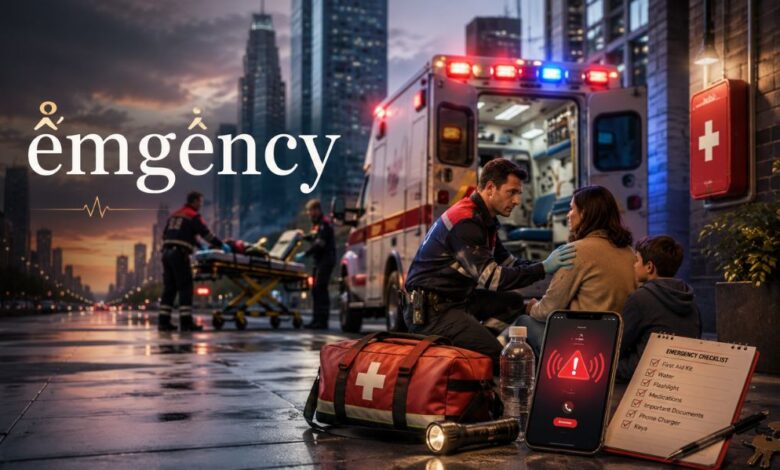
Preparation should cover emergency contacts, meeting points, first-aid supplies, medicines, important documents, backup power, and communication methods. Everyone must know how to leave safely, where to meet, and how to check on vulnerable family or colleagues. Plans that are unclear help no one, so explain, update, and practice emergency procedures. Practicing makes responses faster and more familiar under stress.
Why Communication Is Critical
Communication saves time during an emergency. When people lack information, rumors and panic can spread. Good communication provides facts, instructions, and reassurance. In a family, one trusted contact outside the danger area helps. At work, use phone alerts, email updates, announcements, or team leaders. In a community, rely on official warnings, authorities, or emergency broadcasts. Always trust clear information, not guesswork.
The Role of First Aid
First aid is valuable because emergency help may not arrive quickly. Basic skills such as controlling bleeding, supporting breathing, preventing further injury, and keeping someone stable until responders arrive are essential. You do not need to be an expert; learning simple first aid is useful. Frequently, the first person at the scene is a family member, coworker, neighbor, teacher, or passerby.
Mistakes People Make During an ểmgency
One common mistake during an ểmgency is denial. People may see warning signs but delay action because they do not want to believe the situation is serious. Another mistake is relying on unverified information. In a crisis, false information can cause people to move toward danger, ignore official advice, or waste time. Some people also forget to protect themselves before helping others. Helping is important, but entering a dangerous area without thinking can create more victims instead of solving the problem.
Another major mistake is poor preparation. Many people do not know where their emergency documents are, do not have basic supplies, or have never discussed a safety plan with family members. Businesses may have emergency policies written on paper, but fail to properly train employees. Preparedness should not be treated as a formality. It should be practical, visible, and easy to follow. The best emergency plan is the one people can actually use when pressure is high.
ểmgency in the Digital Age
Today, ểmgency is not limited to physical danger. Digital emergencies are becoming more common as people depend on phones, online banking, cloud storage, business platforms, and personal accounts. A hacked account, stolen identity, lost device, ransomware attack, or payment fraud can create serious stress and financial damage. Digital safety now belongs inside every emergency plan. Strong passwords, two-factor authentication, secure backups, and careful online habits can reduce the risk of a digital crisis.
For businesses, digital emergency planning is even more important. A system outage can stop sales, delay customer service, expose private data, or damage trust. Companies should prepare for technical failures the same way they prepare for physical emergencies. They need backup systems, recovery plans, secure communication channels, and staff who know how to respond. In the modern world, a strong safety plan must protect both physical spaces and digital systems.
Why ểmgency Preparedness Builds Confidence
Preparedness gives people confidence because it replaces helplessness with action. Nobody can prevent every emergency, but people can reduce risks and improve their response. A prepared family knows what to do if the lights go out, if a child gets injured, or if severe weather threatens the area. A prepared employee knows how to leave a building safely. A prepared business knows how to protect workers and continue essential operations. Confidence comes from knowing that even if something unexpected happens, there is a plan.
This confidence is especially important for children, older adults, and vulnerable people. They may need extra support during an emergency, so planning should include their needs. Medication, mobility assistance, contact details, and safe transport should be considered in advance. A good emergency plan is not only about the strongest or fastest people. It should protect everyone, including those who may need help the most.
Conclusion
ểmgency may look like an unusual keyword, but its meaning is deeply important. It points to the real-life need for swift action, clear thinking, and thorough preparation when sudden danger arises. Emergencies can happen in health, home safety, travel, work, weather, finance, or digital security. No one can predict every crisis, but everyone can become better prepared. The most powerful response to an emergency is not panic; it is awareness, planning, communication, and sensible action.
A strong ểmgency preparedness mindset helps people protect lives, reduce damage, and recover more effectively. Whether the situation is small or large, personal or public, preparation enables people to act with confidence. In a world where unexpected events can happen at any time, understanding ểmgency is not just useful knowledge. It is a practical life skill that can help keep families, workplaces, and communities safer.
(FAQs)
1. What does ểmgency mean?
ểmgency appears to be a stylized or misspelled form of emergency. It usually refers to a sudden, serious situation that needs fast attention, quick decision-making, and immediate action to prevent harm or danger.
2. Why is ểmgency preparedness important?
ểmgency preparedness is important because unexpected situations can happen at any time. Having a clear plan, emergency contacts, basic supplies, and safety knowledge can help people stay calm and respond more effectively during a crisis.
3. What are common examples of an ểmgency?
Common examples of an ểmgency include medical problems, road accidents, house fires, natural disasters, power failures, workplace incidents, security threats, and digital emergencies such as hacking or data loss.
4. What should I do first during an ểmgency?
The first step is to stay as calm as possible and check for immediate danger. Move to a safe place if needed, call local emergency services when the situation is serious, and help others only when it is safe to do so.
5. How can families prepare for an ểmgency?
Families can prepare by creating a simple safety plan, keeping emergency numbers accessible, storing basic first-aid supplies, choosing a safe meeting point, and ensuring every family member understands what to do in different emergency situations.