Built-in wardrobes maximise space by utilising full wall dimensions, eliminating unused gaps, and tailoring storage to how a room is actually used. In contemporary homes where every square metre matters, this approach delivers both functional storage and a cleaner layout.
Unlike freestanding units, built-in units are designed into the room itself. This allows them to increase storage capacity without reducing usable floor space, which is critical in modern bedrooms, apartments, and multi-purpose living areas.
Made-to-measure built-in wardrobes take this further by aligning every element of the design to the room’s exact dimensions and the user’s storage needs. This level of precision is what enables built-in wardrobes to consistently outperform standard storage solutions.
Built-In Wardrobes Eliminate Unused Space
Freestanding wardrobes leave unavoidable gaps around the unit, including unused space above and to the sides of the structure. Over time, these gaps reduce overall storage capacity and contribute to clutter elsewhere in the room.
They are typically designed to span the full width of a wall and extend from floor to ceiling, ensuring no area is left unused. Even structural elements such as bulkheads or corners can be incorporated into the design rather than worked around.
Vertical space plays a key role in this efficiency. Upper storage zones can be used for items that are not accessed daily, such as seasonal clothing or spare bedding. This keeps primary storage areas clear and more functional for everyday use.
Internal Layouts Improve
Storage efficiency is determined as much by internal design as it is by external dimensions. Built-in units allow the internal layout to be customised based on how items are stored and accessed.
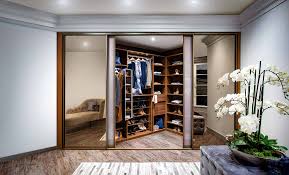
Instead of relying on a fixed configuration, sections can be designed to suit specific needs. Hanging space can be divided into double rails for shorter garments, while full-length sections accommodate coats and dresses. Shelving can be adjusted to suit folded clothing, and drawers provide organised storage for smaller items such as accessories.
This level of planning reduces wasted internal space. Every section serves a clear purpose, which improves both storage capacity and day-to-day usability. Over time, internal components can also be adjusted to suit changing needs, ensuring the wardrobe continues to perform efficiently.
Sliding Door Systems Improve Room Functionality
Door design has a direct impact on how a room can be used. Hinged doors require clearance space to open, which limits how close furniture can be placed and restricts movement in smaller rooms.
Wardrobes commonly use sliding doors that operate within the wardrobe’s footprint. This allows furniture such as beds or bedside tables to be positioned closer to the wardrobe without affecting access. The result is a more efficient use of floor space, particularly in compact bedrooms or apartments.
Sliding doors also contribute to a more streamlined appearance. With no outward swing, the room maintains clean lines and a more open feel, which supports the perception of increased space.
Seamless Integration Enhances Perceived Space
Built-in units are designed to integrate with a room’s overall structure. This integration plays a significant role in how space is perceived.
When finishes and materials align with the surrounding interior, the wardrobe becomes part of the wall rather than a separate feature. This reduces visual interruptions and creates a more cohesive layout. A consistent visual flow can make a room feel larger, even when its physical dimensions remain unchanged.
Integration also allows difficult or irregular spaces to be utilised effectively. Areas such as alcoves, corners, or sloped ceilings can be incorporated into the wardrobe design, turning otherwise unused space into functional storage.
Built-in Wardrobes Support Multi-Purpose Living
Modern homes often require rooms to serve multiple functions. Bedrooms may include workspaces, and guest rooms may need to accommodate additional storage.
Built-in support for this flexibility by integrating storage without competing for floor space. Internal layouts can be adapted to include sections for clothing, household items, or even office supplies. This ensures the room remains organised while still accommodating different uses.
Because storage is built into the room’s structure, it supports a more efficient overall layout. This is particularly valuable in smaller homes, where every area must be used carefully.
Precision Design Maximises Every Millimetre
The effectiveness of built-in wardrobes depends on how accurately they are designed and installed. Small measurement inefficiencies can lead to gaps or underutilised areas.
A made-to-measure approach ensures that the wardrobe aligns perfectly with the room’s dimensions. Width, height, and depth are all tailored to the available space, while internal configurations are designed to suit specific storage needs.
This precision allows the wardrobes to maximise space in a way that standardised solutions cannot. The design is not constrained by fixed sizes, so every millimetre can be used effectively.
Long-Term Performance and Space Efficiency
This stability supports consistent performance, particularly in high-use environments. Durable materials and well-planned layouts reduce the likelihood of wear-related issues, while adjustable internal components allow the storage system to evolve over time.
As a result, built-in units continue to deliver space-saving benefits well beyond the initial installation, making them a practical long-term solution.
Conclusion
Built-in wardrobes maximise space by eliminating unused gaps, utilising vertical space effectively, and tailoring storage to real-world needs. Their integration into a room’s structure allows them to increase storage capacity without reducing usable floor space.
From internal configurations to sliding door systems, every element contributes to improved functionality and a more efficient layout.