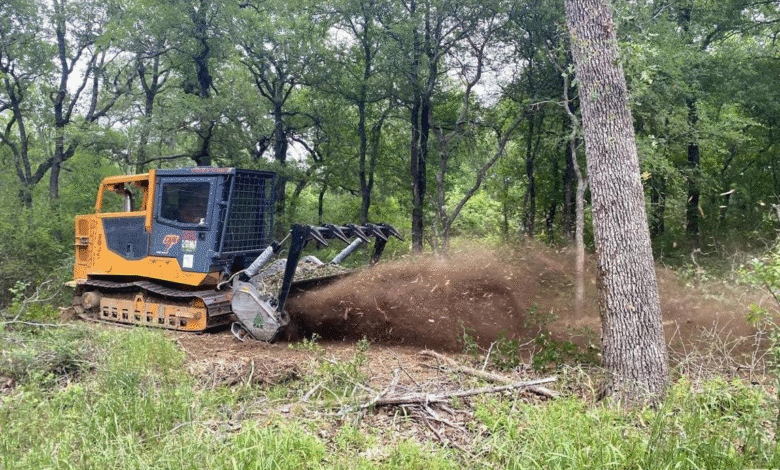
Forestry mulching has become a practical solution for land clearing, vegetation control, and right-of-way maintenance because it allows operators to process trees, brush, and unwanted growth efficiently. However, the cost of running a forestry mulcher can quickly increase due to fuel usage, machine downtime, and the frequent replacement of high-wear components. For contractors who rely on these machines for daily operations, controlling expenses while maintaining productivity is essential. By improving maintenance practices, optimizing operating methods, and choosing suitable replacement components, equipment owners can reduce unnecessary costs and achieve better long-term performance from their forestry mulchers.
Identify the Main Factors That Increase Forestry Mulcher Operating Costs
Before looking for ways to reduce expenses, it is important to understand what factors contribute to higher forestry mulcher operating costs. In most cases, the largest expenses come from fuel consumption, wear component replacement, and unexpected downtime.
- Fuel consumption is one of the biggest ongoing costs during forestry mulching operations. Working in unsuitable terrain, using incorrect operating settings, or operating with inefficient cutting performance can force the machine to work harder and consume more fuel. Choosing the right working speed and maintaining sharp cutting components can help improve overall efficiency.
- Wear part replacement is another major expense. Forestry mulchers operate in demanding environments where cutting tools are constantly exposed to impact, abrasion, and hard materials. Worn or damaged components can reduce cutting efficiency and increase the workload on the machine.
- Machine downtime can also significantly affect profitability. Unexpected repairs caused by neglected maintenance or worn parts may interrupt projects, increase labor costs, and delay completion schedules. Therefore, reducing operating costs requires more than simply lowering part prices. It requires improving equipment reliability, extending component life, and preventing avoidable downtime.
Choose Durable Cutting Components to Extend Service Life
Cutting components play a direct role in forestry mulcher performance because they determine how efficiently the machine can process vegetation and wood materials. When teeth become worn or damaged, the mulcher needs more power to achieve the same cutting results, which can increase fuel consumption and reduce overall productivity. Selecting durable cutting tools helps maintain consistent performance while reducing the frequency of replacements.
The ideal cutting components depend largely on the working environment. For operations involving soft vegetation and light brush, standard cutting tools may provide sufficient performance. However, applications involving hardwood, dense forests, or abrasive conditions require components with higher wear resistance to withstand continuous impact and friction. In rocky areas or locations with hidden debris, using stronger cutting tools can help prevent premature damage and unexpected downtime.
Choosing reliable FAE mulcher teeth can help operators maintain consistent cutting performance and reduce unnecessary replacement frequency during demanding forestry applications. High-quality replacement components are designed to match equipment requirements while improving durability in challenging working conditions.
In addition to tooth selection, using compatible forestry mulcher wear parts and replacing worn components before they fail can help protect other machine systems, maintain productivity, and lower long-term operating costs. A proactive approach to component management is often more cost-effective than dealing with frequent repairs and extended downtime.
Perform Regular Maintenance to Prevent Expensive Repairs
Regular maintenance is one of the most effective ways to control forestry mulcher operating costs because it helps identify potential problems before they lead to major failures. A small issue that is ignored for too long can result in reduced productivity, higher repair expenses, and extended machine downtime.
Operators should regularly inspect cutting tools for signs of wear, including damaged teeth, missing components, and uneven wear patterns. Replacing worn parts at the right time helps maintain cutting efficiency and prevents additional stress on the rotor system.
The rotor and hydraulic system should also be checked during routine inspections. Problems such as abnormal vibration, reduced power output, or unusual noise may indicate underlying mechanical issues that require attention. Early detection can prevent more expensive repairs in the future.
After completing daily operations, cleaning the machine can further extend service life by removing material buildup, dirt, and moisture that may accelerate wear or corrosion. A consistent maintenance routine keeps forestry mulchers operating efficiently and helps reduce unnecessary operating expenses over time.
Improve Productivity Through Proper Machine Operation
The way a forestry mulcher is operated has a direct impact on fuel efficiency, component wear, and overall operating costs. Even with high-quality equipment and durable wear parts, improper operating methods can increase stress on the machine and reduce productivity.
Avoiding machine overload is essential when working in dense vegetation or challenging terrain. Pushing the equipment beyond its recommended capacity can increase fuel consumption, generate excessive heat, and accelerate wear on key components. Operators should also select an appropriate working speed based on material conditions instead of forcing the machine to process more material than it can handle efficiently.
Matching the machine’s power and configuration with the specific application is another important factor. A properly matched setup allows the forestry mulcher to work more efficiently, reducing unnecessary strain on the engine, hydraulic system, and cutting components. By improving operating practices, contractors can lower fuel costs, extend component life, and achieve more consistent results during daily mulching operations.
Plan Replacement Parts Management to Reduce Downtime
Effective replacement parts management can help forestry mulcher operators avoid unexpected interruptions and keep projects on schedule. Waiting until a component completely fails before ordering a replacement often leads to unnecessary downtime, especially when machines are used for continuous commercial operations.
Keeping commonly used wear components available allows operators to complete repairs quickly and minimize delays. Regularly monitoring the condition of cutting tools and other high-wear parts also makes it easier to plan replacements based on actual usage instead of reacting to sudden failures.
When selecting replacement components, compatibility and quality should be considered alongside cost. Using suitable aftermarket components that match the equipment specifications can help maintain machine availability while providing a practical solution for long-term maintenance needs. A well-planned replacement strategy reduces repair delays, improves operational efficiency, and helps contractors better control overall equipment expenses.
Conclusion
Reducing forestry mulcher operating costs requires a long-term approach rather than focusing only on lowering immediate expenses. By selecting suitable components, maintaining equipment regularly, and improving operating practices, contractors can reduce downtime, extend machine service life, and improve overall productivity. A well-maintained forestry mulcher not only performs more efficiently but also delivers greater value throughout its working life. Investing in proper maintenance strategies and reliable replacement solutions helps operators achieve more predictable costs and better results in demanding forestry applications.