When we think of self-care, it was always a face mask, pedicure, Now people are tracking their HRV and jumping into cryogenic chambers. Alongside those recovery-driven habits, many people now fold plant-based supports from brands like https://medterracbd.com/ into their evening routine to help take the edge off daily stress and encourage better sleep.
Something has changed, but is it just a wellness rebranding or is there something to it?
The old model of self-care was surface-level
The reason to be positive about this change is that old fashioned self-care was arguably more superficial, grounded in aesthetics, and basically just grooming with extra steps.
The 2010s treat yourself era was all bath bombs, manicures, and lengthy skincare routines. And, while these aren’t exactly anti-self care (they do help), they are outward facing and they’re not necessarily grounded in the long-term, longevity benefits of living longer. In other words, the benefits aren’t really felt a week later.
Nothing wrong with a glow up, but it perhaps shouldn’t be PR’d as self care and wellness. The language around it of “you deserve this” actually framed recovery as a reward, not a biological necessity. What if you don’t feel like you deserve it? We need a change in hw we see it.
Burnout culture
Then burnout became impossible to ignore, especially post-pandemic after we had a taste for no work (or WFH) and then rebounded back to the “real world”.
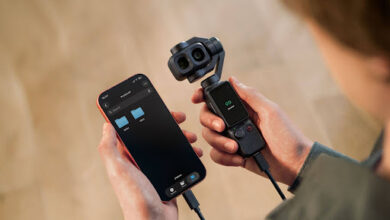
Research keeps showing chronic stress causing physiological damage. Elevated cortisol, poor sleep, systemic inflammation. As people become more scientifically literate through social media (yes, there’s lots of misinformation, but that doesn’t change the fact that good science also spread fast), mixed with the rise of wearables, and people become interested in parasympathetic activation and sleep tracking. HRV was suddenly mainstream (also helped by the rise of running culture, which also requires an appreciation of recovery).
Recovery-focused self-care
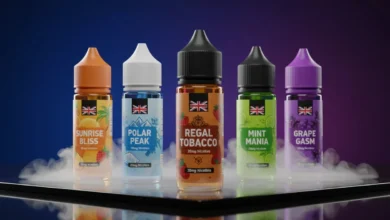
So what does it actually look like? Less serum, more magnesium. More breathwork, fewer sheet masks. People are reducing stimulants and taking inflammation seriously. Supplements went big, but it was the ones grounded in science, like cannabinoids from a trusted CBD shop in the UK, which have stuck it out. The popular supplements to day, like CBD and magnesium, are sleep-focused ones (which underpins a lot of self-care).
The shift is changing what people buy and why
Consumer behaviour is following the science (even if it does obsess over the metrics too much). Functional wellness of sleep supplements and stress recovery tools have outpaced cosmetic wellness for a while now. People seem just as likely to drink bone browth or ingest collogen as they are to rub it on their face (which is less effective). Pragmatism is back, and people want to know how things will make them feel, not just how it will make them look. The focus used to be on ageing skin (well, that hasn’t gone away), but at least ageing generally is now talked more about, like longevity through diet. We see this one podcasts like Katherine Ryan: Telling Everybody Everything, where biological age is tested on guests and they get a de-brief from an expert in the science. It’s much deeper than skin barrier repair.
Performative recovery
Cold plunge content is everywhere and sleep scores get posted around. This is the unfortunate reality of social media and trends, where it must, in the end, become commercialised so heavily that it becomes an aesthetic performance again. But, at least this time, there are real benefits underneath it, regardless of the motive.
And, the thing that can keep us on the right track is science. The rise of science-literate influencers is helping share the truths around CBD, sleep, and recovery, while warning against cure-alls and short-cuts.