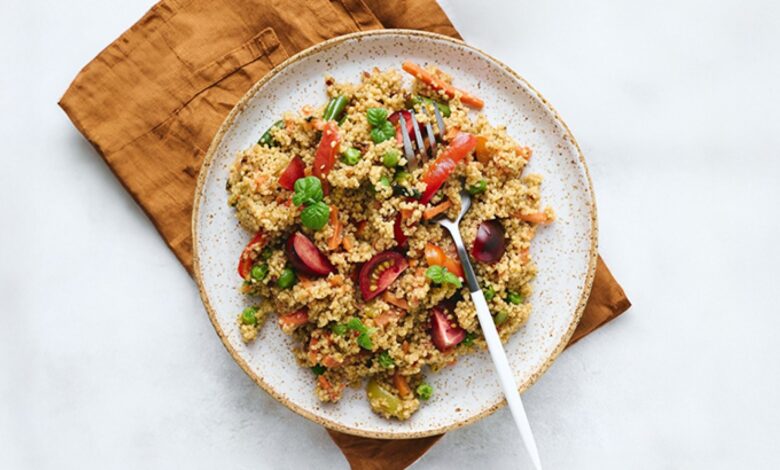
Food is rarely just fuel. At its best, it is a map of human migration, a testament to resourcefulness, and a sensory bridge between generations. Few ingredients illustrate this as profoundly as kouskousi (often spelled kouskous, couscous, or kouskousaki depending on which shore of the Mediterranean you are standing on).
While the global palate is deeply familiar with the fluffy, instantly steamed North African couscous, there exists a parallel, deeply rooted culinary tradition in Greece, Cyprus, and parts of the Balkans known as kouskousi. This is not merely a side dish; it is a labor-intensive, handmade heritage pasta that tells the story of communal kitchens, agricultural cycles, and the beautiful blurring of cultural boundaries.
This comprehensive exploration dives into the rich tapestry of kouskousi—its origins, the traditional and deeply communal art of making it, its nutritional profile, its culinary versatility, and its enduring place in the modern kitchen.
Unraveling the Identity: What is Kouskousi?
To understand kouskousi, one must first dismantle a common misconception: it is not a grain. Because of its diminutive, bead-like shape, it is frequently mistaken for a whole grain like quinoa or millet. Kouskousi is actually a type of pasta.
The Anatomy of the Bead
Traditionally, kouskousi is made from two fundamental ingredients of the Mediterranean basin:
- Semolina (or cracked wheat): Derived from durum wheat, providing a high protein content and a robust, nutty flavor.
- Liquid: Traditionally a mixture of water, milk, eggs, and sometimes a pinch of salt.
The defining characteristic of kouskousi is its texture. Unlike Italian pastina (like acini di pepe or orzo) which is machine-extruded, authentic traditional kouskousi is rolled and shaped by hand. This artisanal process creates irregular, rustic spheres that vary slightly in size. When cooked, these irregularities become a culinary asset: the exterior becomes tender and absorbs sauces beautifully, while the core retains a distinct, satisfying al dente bite.
Kouskousi vs. North African Couscous
While they share a linguistic root and a similar starting material, Greek/Cypriot kouskousi and Maghrebi couscous have diverged into distinct culinary entities:
| Feature | North African Couscous | Eastern Mediterranean Kouskousi |
| Size | Microscopic to small beads (1–2 mm) | Larger, plump beads (3–5 mm), similar to Israeli/Pearl couscous |
| Binding Liquid | Primarily water | Often incorporates milk, yogurt, or eggs |
| Cooking Method | Repeatedly steamed over a broth | Boiled directly in water, broth, or milk (like pasta or risotto) |
| Texture | Fluffy, light, separating easily | Chewy, rich, and slightly starchy |
The Historical and Cultural Tapestry
The story of Kouskousi is a narrative written by trade winds, empires, and displaced populations. Its etymology traces back to the Berber word seksu, meaning well-rolled or rounded. As Arab expansions and trade routes flourished across the Mediterranean between the 9th and 14th centuries, the concept of rolled wheat travelled from North Africa to Sicily, the Aegean islands, the Peloponnese, and into the Levant.
The Ottoman Fusion and Pontic Traditions
In Greece and the wider Balkans, kouskousi became deeply integrated into the local foodways during the centuries of Ottoman rule. It was a brilliant solution to a perennial problem: food preservation. In an era before refrigeration, transforming perishable summer yields of milk and eggs into a dried, shelf-stable wheat product meant survival during the harsh winter months.
A particularly poignant chapter of the Kouskousi story belongs to the Pontic Greeks (Greeks from the Black Sea region) and the refugees from Asia Minor who migrated to the Greek mainland in the early 20th century. For these communities, kouskousi (often referred to in Pontic dialect as kouskous) was a staple of displacement. It was lightweight to carry, highly nutritious, and tasted of home. They brought with them specific variations, sometimes browning the wheat before rolling it, imparting a deep, smoky, toasted flavor profile to the pasta.
The Ritual of the “Cazani” (The Communal Kitchen)
Historically, making kouskousi was never a solitary task. It was a seasonal ritual that took place in late August or early September, just after the wheat harvest and when the summer sun was still fierce enough to dry the pasta naturally.
Women from villages would gather in courtyards around large wooden troughs (skafes). Over several days, they would gossip, sing, and share news while performing the rhythmic, hypnotic hand motions required to roll the semolina. Children were tasked with shooing away birds from the large white sheets spread across rooftops where the golden beads of kouskousi were laid out to dry.
“Making kouskousi was a way to protect your family during the winter. But more than that, it was the social glue of the village. If you didn’t help your neighbor roll her wheat, your own kitchen would feel cold when the snow fell.”
— Traditional Greek Proverb
The Art of Creation: How Traditional Kouskousi is Made
The process of making authentic kouskousi from scratch is an endangered art form, preserved today primarily by cultural preservation societies, women’s cooperatives in rural Greece and Cyprus, and dedicated home cooks. It requires patience, a tactile intuition for moisture, and a specific physical rhythm.
The Traditional Recipe and Method
To appreciate the depth of this ingredient, one must look at the step-by-step alchemy of its creation:
Ingredients:
- Fine and coarse semolina (durum wheat)
- Fresh milk (often goat’s or sheep’s milk for a richer flavor)
- Farm-fresh eggs
- Sea salt
The Process:
- The Preparation: The milk, eggs, and salt are whisked together to form a rich, golden liquid. The semolina is spread into a wide, shallow wooden basin or a large terracotta platter.
- The Rubbing (To Tripsimo): The cook sprinkles a small amount of the egg-milk liquid over the semolina. Using the palms of their hands in a circular, flat-handed motion, they rub the damp flour. The moisture causes the semolina grains to clump together, forming tiny seeds.
- Building the Beads: Slowly, more semolina and more liquid are added alternately. The cook continuously rolls the mixture. The existing tiny seeds act as cores, gathering more flour and growing larger with each circular motion of the hand. It requires an extraordinary amount of control; too much liquid results in a sticky dough, while too little keeps it as loose flour.
- Sifting (To Koskinisma): Once the beads reach the desired size, the mixture is passed through a series of specialized sieves with varying mesh sizes. This separates the perfectly formed kouskousi from the smaller fragments (which are re-rolled) and the oversized lumps (which are broken down).
- Drying (To Stegnoma): The fresh, damp beads are spread out in thin layers on clean white linen sheets in a well-ventilated, shaded, and sunny area. They must be turned regularly over several days until they are completely bone-dry and hard.
- Storage: Once dried, the kouskousi is stored in hand-woven cotton bags (tagaria), allowing the pasta to breathe while keeping it safe from moisture. Kept this way, it can last for over a year.
Nutritional Profile: A Sustaining Fuel
In modern nutritional discussions, pasta is occasionally maligned. However, traditional kouskousi, crafted from high-quality durum wheat semolina and enriched with dairy and eggs, is a highly nutritious, energy-dense staple.
Macronutrient Breakdown
Because it is made from durum wheat, kouskousi behaves differently in the body than pasta made from highly refined white flour.
- Complex Carbohydrates: Kouskousi is primarily composed of complex carbohydrates, which break down slowly in the digestive tract. This provides a sustained, gradual release of glucose into the bloodstream, preventing the sharp insulin spikes associated with refined grains.
- Protein Enrichment: The traditional incorporation of eggs and milk significantly boosts the protein profile of kouskousi compared to standard water-and-flour pastas. Durum wheat itself is inherently high in glutenin and gliadin (proteins), making kouskousi an excellent plant-based source of amino acids.
- Dietary Fiber: Especially when made with coarser, less-refined grinds of wheat, kouskousi retains a healthy amount of dietary fiber, supporting gut health and promoting satiety.
Micronutrients and Minerals
Kouskousi is naturally rich in several essential nutrients:
- Selenium: A powerful antioxidant that plays a critical role in thyroid function, reducing inflammation, and protecting the body from oxidative stress. A single serving of kouskousi can provide over half of the recommended daily intake of selenium.
- B-Vitamins (Thiamin, Niacin, Riboflavin): Essential for energy metabolism, brain function, and cellular repair.
- Iron and Magnesium: Crucial for oxygen transport in the blood and muscle function, respectively.
Kouskousi in the Mediterranean Kitchen: Culinary Applications
The beauty of kouskousi lies in its culinary chameleon nature. It is remarkably forgiving to cook and possesses a unique structural integrity that allows it to shine in comforting, rustic stews as well as light, vibrant summer salads.
The Physics of Cooking Kouskousi
Unlike standard pasta, which is usually boiled in an abundance of salted water and then drained (washing away valuable starches), kouskousi is best cooked using the absorption method or directly within a sauce.
Because it releases a controlled amount of starch as it cooks, it naturally thickens the liquids it is boiled in, creating a creamy, luxurious mouthfeel without the need for heavy cream or butter.
Bring Kouskousi Into Your Kitchen: A Definitive Guide
If you are inspired to introduce this historical ingredient into your own culinary repertoire, understanding how to select, store, and cook it flawlessly is key.
Sourcing Authentic Kouskousi
When shopping for kouskousi, look past the mega-supermarket pasta aisles and seek out Mediterranean, Greek, Middle Eastern, or specialty gourmet grocers.
- Read the Label: Check the ingredient list. Authentic, high-quality kouskousi should contain only durum wheat semolina/flour, and optionally milk, eggs, or water. Avoid brands that include artificial preservatives, colorings, or anti-caking agents.
- Look at the Shape: Visually inspect the product if it is in a clear bag. Look for slight variations in the size of the beads and a dusty, matte surface coated in a fine layer of semolina flour. This is the hallmark of artisanal, non-extruded pasta that will hold onto sauces effectively.
Storage Best Practices
Because artisanal kouskousi may contain dairy and egg solids, proper storage ensures it retains its fresh, nutty flavor profile without spoiling.
- Air-Tight Containers: Transfer the kouskousi from its paper or plastic packaging into a clean glass jar or an airtight container. This protects it from ambient kitchen humidity and pantry pests.
- Cool and Dark: Store the container in a cool, dark pantry away from direct sunlight, the stove, or other heat sources.
- Freezer Option: If you have purchased handmade, fresh (un-dried) kouskousi from a local market, store it in the freezer in an airtight bag. You can cook it directly from frozen without thawing.
The Deep Philosophy of Kouskousi
In an era dominated by hyper-processed convenience foods, fast-paced lifestyles, and disconnected eating habits, ingredients like kouskousi offer an invitation to slow down. They remind us that the kitchen is a space of continuous history.
When you cook a pot of kouskousi, you are participating in an unbroken chain of human ingenuity that spans centuries. You are tasting the resourcefulness of women who figured out how to dry milk and eggs into wheat to survive the winter. You are honoring the hands that sat around wooden troughs, sharing stories, and rolling semolina into perfect, golden pearls.
Kouskousi is more than a culinary alternative to rice or standard pasta. It is a celebration of the Mediterranean spirit—simple, honest, deeply communal, and profoundly delicious. By welcoming it into your culinary vocabulary, you preserve a story worth telling, one delicious, chewy bite at a time.
MORE READ: Best Ensalada de Arvejas y Jamon Near Me (2026 Guide)