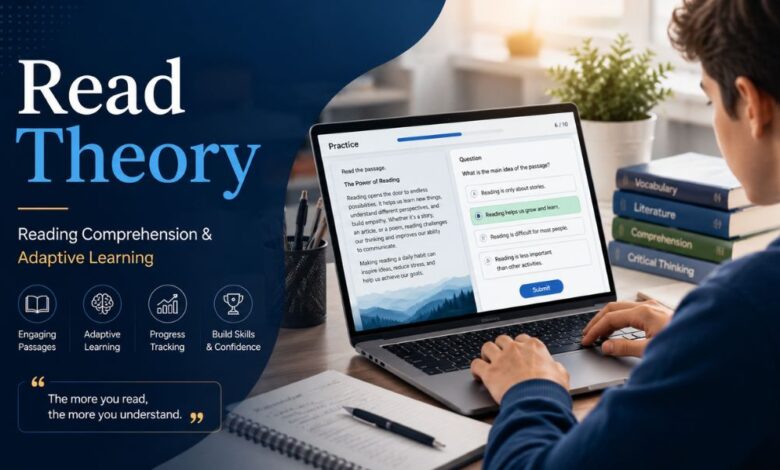
Read Theory is a topic many students, teachers, parents, and online learners search for when they want a simple, useful, and flexible way to improve reading comprehension. In today’s digital world of education, reading is no longer limited to printed textbooks, classroom assignments, or traditional worksheets. Learners need tools that can adjust to their level, provide useful practice, and help them build confidence step by step. This is where Read Theory becomes an important name in online learning, especially for people who want structured, accessible, and easy-to-use reading practice.
At its core, Read Theory is known as an online reading comprehension platform that helps learners practice reading through passages, questions, and skill-based exercises. It is commonly used by teachers for classroom support, by students for independent practice, and by parents who want their children to strengthen reading skills outside school. The platform is popular because it focuses on one of the most important parts of education: understanding what you read. Reading fluency matters, but comprehension is what allows students to interpret ideas, answer questions, understand context, and apply information in real life.
What Is Read Theory?
Read Theory is an educational platform designed to support reading comprehension through digital practice. It gives learners passages to read and questions to answer, helping them develop a stronger understanding, vocabulary awareness, inference skills, and critical thinking. Instead of offering a single fixed level for all users, the platform is widely recognized for its adaptive learning approach, which means the reading material adjusts to the learner’s performance and ability. Adaptive style is one of the biggest reasons teachers and students value Read Theory. In a normal classroom, students often read at different levels. Some may understand advanced passages quickly, while others need simpler texts and more support. A one-size-fits-all method can leave weaker readers feeling overwhelmed and stronger readers feeling bored. Read Theory helps solve this problem by giving practice that better matches each learner’s reading ability. This makes the learning process more personal, balanced, and productive.
Why Read Theory Is Useful for Students
Students benefit from Read Theory because it provides regular, structured reading practice. Many learners struggle with comprehension because they do not read enough varied material or because they are not asked the right questions after reading. The platform encourages students to read carefully, think about meaning, and choose answers based on evidence from the passage. Over time, this can help improve focus, patience, and confidence.
Another important benefit is that students can learn at their own pace. Some students need more time to understand a passage, while others can move quickly through exercises. With online reading practice, learners do not always feel the same pressure as in a classroom setting. They can work through passages, learn from mistakes, and gradually improve. This is especially helpful for students who feel nervous about reading aloud or answering questions in front of others.
How Read Theory Helps Teachers
For teachers, Read Theory can be a practical classroom support tool because it helps manage different reading levels within the same group. Teachers often face the challenge of supporting advanced, average, and struggling readers simultaneously. A platform that provides adaptive reading comprehension can make this process easier by giving students practice that suits their level while allowing teachers to focus on guidance, feedback, and instruction.
Teachers can also use reading data to understand how students are progressing. When students complete exercises, their performance can show where they are strong and where they need more support. This kind of information is helpful because it allows teachers to plan lessons more effectively. Instead of guessing which students need help with vocabulary, inference, main idea, or supporting details, teachers can use performance patterns to make better decisions.
The Role of Adaptive Learning in Read Theory
The biggest strength of Read Theory is its adaptive learning model. Adaptive learning means the platform responds to students’ performance rather than giving every learner the same fixed content. If a student answers questions correctly and demonstrates a strong understanding, the reading level can be made more challenging. If a student struggles, the platform can provide material that better matches their current ability.
This method is important because reading development is not always linear. A student may be strong in vocabulary but weak in inference. Another student may understand basic facts but struggle with the author’s purpose or deeper meaning. Adaptive learning helps create a more realistic path for improvement by bringing students closer to where they actually are. Kes can practice more meaningfully and can reduce frustration.
Read Theory for Parents and Home Learning
Parents can also use Read Theory as part of home learning. Many parents want to help their children improve reading but do not always know which books, worksheets, or questions are suitable for their level. A reading platform gives a more guided option. It can help children practice regularly without requiring parents to create every activity from scratch.
For home use, the most important thing is consistency. A child does not need to spend hours every day on reading comprehension practice. Even short, focused sessions can help when done regularly. Parents can encourage children to read the passage carefully, explain why they chose an answer, and talk about new words or ideas. This turns Read Theory from a simple online activity into a more complete learning experience.
Read Theory and Vocabulary Development
Reading comprehension and vocabulary are closely connected. A student cannot fully understand a passage if too many words are unfamiliar. Read Theory can support vocabulary development by exposing learners to different topics, sentence styles, and word choices. As students read more passages, they naturally encounter new words in context, which is one of the best ways to understand their meanings.
Vocabulary practice through reading is more useful than memorizing random word lists because students see how words work inside real sentences. They learn tone, context, usage, and meaning together. This helps them become more confident readers and better writers. Strong vocabulary also supports academic success in other subjects such as science, history, and social studies, where students must read informational text and understand subject-specific language.
Read Theory for ESL and English Learners
Read Theory can be especially helpful for ESL students and English language learners because reading comprehension is often one of the hardest skills to build in a new language. Learners may understand basic grammar but still struggle with longer passages, implied meanings, idioms, or unfamiliar vocabulary. Regular reading practice helps them become more comfortable with English sentence structure and written expression.
For ESL learners, the key advantage is repeated exposure. The more students read, the more they understand how English works naturally. They begin to recognize patterns, improve word recognition, and understand meaning more quickly. Read Theory can support this process by providing structured reading passages and questions that encourage careful thinking rather than simple guessing.
Printable Worksheets and Online Practice
One reason Read Theory is useful across different learning environments is that it offers both online practice and printable reading comprehension materials. Online practice is helpful for quick access, automatic adjustment, and digital learning. Printable worksheets are useful for classrooms, tutoring sessions, homework, and situations where students may not always have internet access.
Printable worksheets also give teachers more flexibility. A teacher may want students to annotate a passage, underline evidence, write short answers, or discuss a text in groups. Printed materials make those activities easier. On the other hand, online exercises can save time and provide faster practice. Together, these two formats make Read Theory suitable for different teaching styles and learning needs.
Why Reading Comprehension Matters
Reading comprehension is one of the most important academic skills because it affects almost every subject. A student who reads well can understand instructions, solve word problems, study textbooks, analyze stories, and follow complex ideas. Without comprehension, reading becomes only word recognition, not real understanding. That is why platforms like Read Theory are valuable in education.
Good comprehension also supports life skills beyond school. Adults need reading comprehension for job applications, workplace instructions, financial documents, health information, news articles, and everyday communication. When students build strong reading habits early, they are better prepared for future education and real-world responsibilities. Reading comprehension is not just an English class skill; it is a foundation for lifelong learning.
Best Ways to Use Read Theory Effectively
To get the best results from Read Theory, students should use it consistently and thoughtfully. The goal should not be only to finish passages quickly or collect correct answers. Students should slow down, read carefully, return to the passage when needed, and understand why an answer is correct or incorrect. This habit builds deeper comprehension and prevents careless mistakes.
Teachers and parents should also encourage reflection. After completing an exercise, students can explain the main idea, identify difficult words, summarize the passage, or discuss what confused them. These small steps make reading practice more powerful. Read Theory works best when used as part of a broader learning routine that includes discussion, feedback, writing, and regular reading.
Common Mistakes Students Should Avoid
One common mistake students make is rushing through reading passages. They may try to answer questions without fully understanding the text. This can lead to wrong answers and weak learning. Another mistake is guessing without looking back at the passage. Strong readers use evidence, reread important sections, and think carefully before choosing an answer.
Students should also avoid feeling discouraged if the passages become harder. Challenge is part of improvement. If Read Theory adjusts the level, it may mean the student is growing and ready for more advanced practice. Struggle does not always mean failure. It often means the learner is working at the edge of their current ability, which is where real progress happens.
Is Read Theory Good for Classroom Learning?
Read Theory can be a strong support for classroom learning by providing students with extra reading practice and helping teachers manage diverse ability levels. It should not replace good teaching, classroom discussion, literature study, or direct instruction, but it can support all of these areas. The platform is most effective when teachers use it as a tool rather than as the entire reading curriculum.
In a classroom, teachers can use Read Theory for warm-up activities, independent practice, homework, intervention, test preparation, or progress monitoring. It can also help students build reading stamina, which means the ability to read carefully for longer periods without losing focus. Reading stamina is important for exams, academic study, and future learning.
Conclusion
Read Theory is a valuable topic for anyone interested in improving reading comprehension through structured digital practice. Read Theory offers a practical way for students to build stronger reading skills, teachers to support mixed-level classrooms, and parents to encourage learning at home. Its adaptive style, reading passages, comprehension questions, and flexible use make it a helpful tool for modern education.
The real value of Read Theory comes from consistent and thoughtful use. Students should not treat it as a race or a simple quiz platform. Instead, they should use it to read carefully, understand deeply, learn from mistakes, and build confidence over time. Whether used in school, at home, or for extra English practice, Read Theory can support better reading habits and stronger academic growth.
(FAQs)
What is Read Theory?
Read Theory is an online reading comprehension platform that provides reading passages and questions to help learners improve their understanding, vocabulary, and critical thinking skills.
Is Read Theory useful for students?
Yes, Read Theory can be useful for students because it offers structured reading practice and can help learners improve comprehension through regular exercises.
Can teachers use Read Theory in the classroom?
Yes, teachers can use Read Theory for independent practice, reading intervention, homework, progress tracking, and supporting students at different reading levels.
Is Read Theory good for ESL learners?
Read Theory can be helpful for ESL learners because it gives them repeated exposure to English reading passages, vocabulary, sentence structure, and comprehension questions.
How can students improve faster with Read Theory?
Students can improve faster by reading carefully, avoiding guessing, reviewing mistakes, looking for evidence in the passage, and practicing consistently.
Does Read Theory replace normal reading?
No, Read Theory should not replace books, classroom lessons, or teacher instruction. It works best as a support tool alongside regular reading and learning activities.