Short-form drama is exploding, and the appetite for tight, emotionally charged episodes has never been bigger. Yet the hardest part of producing one is rarely the filming; it is arriving at a script that hooks a viewer in the first ten seconds and keeps them through a cliffhanger ending. Writers stare at blank pages, plot threads tangle, and momentum stalls before a single scene is shot. This is precisely where an AI story generator earns its place in a modern creator’s toolkit. Instead of replacing your voice, it gives you a fast, tireless collaborator that drafts premises, sketches character arcs, and proposes twists you can accept, reshape, or discard. For solo creators and small studios chasing vertical-video audiences, that speed can mean the difference between publishing weekly and publishing never. This article looks honestly at what these tools can and cannot do, and how to use one to build a short drama that actually holds attention from open to close.
What a Story Generator Actually Does Well
It helps to be clear about the machine’s real strengths before leaning on it. An automated writing assistant is exceptional at volume and variation: give it a loose idea and it will return a dozen framings, each with a different tone, stakes, or point of view. That range is hard for a tired human mind to produce alone at midnight before a deadline. A good story generator also excels at structure, quietly enforcing the beats a satisfying episode needs, such as an inciting moment, a rising complication, and a turn that leaves the audience wanting the next installment. What it does not do is understand your specific audience the way you do. It cannot feel the particular ache of a betrayal storyline the way a viewer who has lived it will. So the smart division of labor is simple: let the tool handle breadth and scaffolding, and keep the emotional truth and final judgment for yourself.
Feeding It a Premise Worth Building On
The quality of what comes out depends almost entirely on what goes in. A prompt like “write a drama” produces mush, while “a delivery driver discovers the wealthy client he resents is secretly funding his sister’s surgery” produces something with real tension. Before you generate anything, decide on three anchors: who wants something badly, what stands in their way, and what secret could flip the story. Hand the tool those anchors and it will spin scenarios that respect them instead of wandering. Specificity is not a limitation here; it is the fuel. The narrower and more concrete your setup, the more surprising and usable the returned drafts tend to be, because the model has real constraints to work within rather than an open field.
Shaping Raw Output Into a Watchable Episode
Generated drafts are clay, not sculpture. Your job is to read them for the single moment that gives you a jolt, then build outward from it. Often the best line or twist appears buried in an otherwise ordinary paragraph, and recognizing it is the creative act that no tool can perform for you. Once you have that spark, prune ruthlessly. Short drama lives on compression, so cut any exchange that does not raise stakes or reveal character. Read dialogue aloud to catch the stiff, over-explained lines that automated writing tends to produce, and rewrite them the way a real person would actually speak. This pass is where your fingerprints go on the work, transforming a competent draft into something that feels alive and unmistakably yours.
Engineering the Cliffhanger
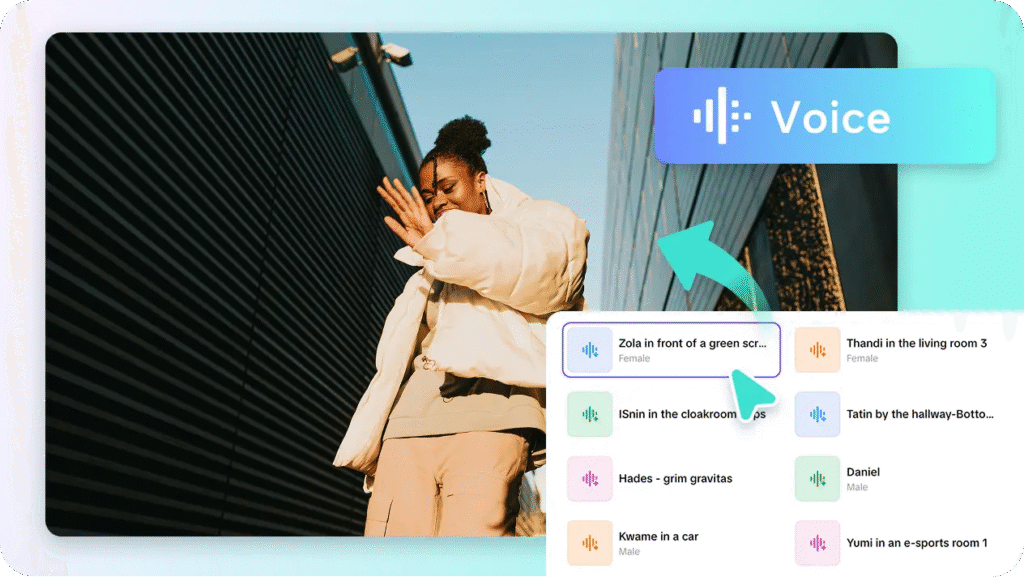
Vertical dramas succeed or fail on their endings. Every episode should close on a question the viewer cannot bear to leave unanswered, whether that is a revealed identity, a reversed loyalty, or a threat that lands one beat before the cut. Ask your assistant to generate several possible cliffhangers for the same scene, because seeing five options side by side makes the strongest one obvious. Then test it against a simple standard: would you, personally, tap to the next episode? If the honest answer is no, keep iterating. The tool makes this rapid brainstorming painless, but the taste that picks the winner has to come from you.
Keeping Characters Consistent Across Episodes
Serialized storytelling breaks down when a character’s voice or motivation drifts between installments. To prevent that, maintain a short reference sheet of each character’s core desire, speech pattern, and hard limits, and feed it back into the tool at the start of every new episode. This gives continuity a backbone and stops the assistant from reinventing your protagonist each session. Consistency is what turns casual viewers into loyal fans, because people return for characters they feel they know. A little discipline in tracking these details pays off across an entire season.
Moving From Script to Screen
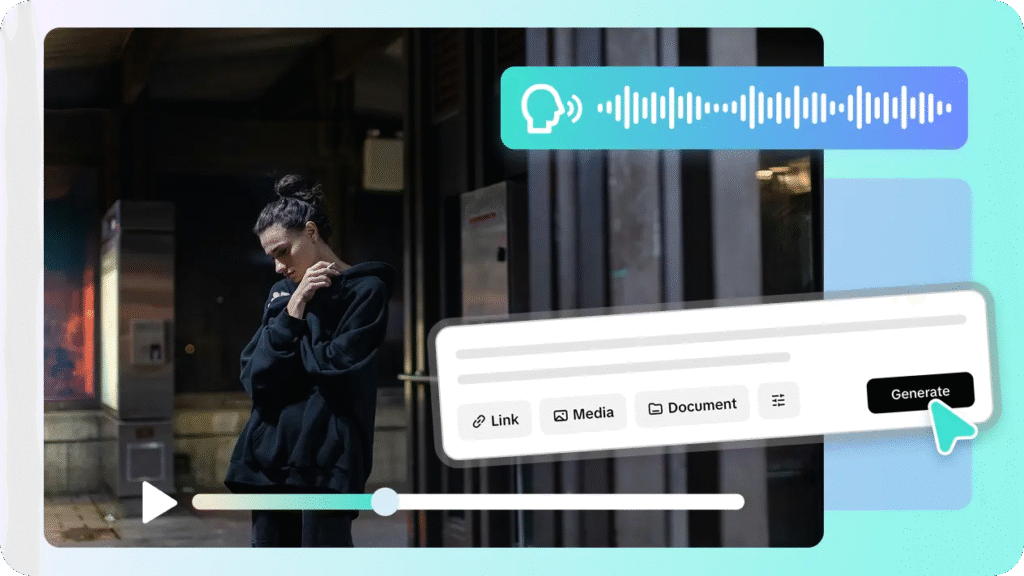
A finished script is only the first half of the pipeline. The advantage of building your writing inside a platform like Pippit AI is that the leap from words to visuals stays short, so a scene you approved five minutes ago can become a storyboard or draft cut without exporting files across half a dozen apps. That tight loop matters for short drama, where publishing cadence drives growth and every day of friction is a day your channel loses momentum. Keep your production notes attached to each scene, mark the emotional peak you want the performance to hit, and treat the script as a living document that adapts once you see it play out on screen. The best creators revise even after shooting, tightening pacing in the edit to protect the hook.
Where the Human Still Leads
An AI story generator will not hand you a hit, but it will clear the two obstacles that stop most short dramas from ever existing: the blank page and the exhausting grind of structure. Used well, it multiplies your ideas, enforces the beats that keep viewers watching, and frees your energy for the parts that genuinely require a human, namely emotional truth, sharp dialogue, and the instinct to know which twist lands. Start by feeding it a specific, high-tension premise, mine the output for the one moment that surprises you, and build a tight episode around it with a cliffhanger you would chase yourself. The tool is fast, but you are the storyteller. Keep that balance, publish consistently, and let each episode teach you what your audience truly cannot stop watching.