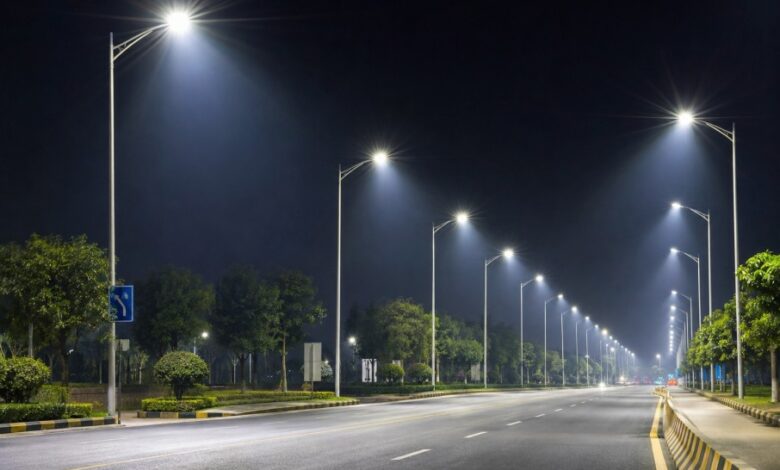
As cities continue to expand and sustainability becomes a global priority, energy-efficient street lighting has become an essential part of modern urban infrastructure. Municipalities, developers, and lighting designers are increasingly focusing on reducing energy consumption while maintaining sufficient illumination for roads, public areas, and transportation networks.
One important factor in evaluating the efficiency of a lighting system is Lighting Power Density (LPD). By understanding and optimizing LPD, project planners can create street lighting solutions that balance energy savings, visibility, and long-term operational performance.
What Is Lighting Power Density?
Lighting Power Density refers to the amount of electrical power consumed by a lighting system within a specific area. It is commonly measured in watts per square meter (W/m²) and is used as an important indicator for evaluating lighting efficiency.
In street lighting applications, LPD helps determine how effectively a lighting system uses energy to provide the required level of illumination. A lower LPD generally indicates that a lighting system can achieve the desired lighting performance with less energy consumption.
Understanding lighting power density allows lighting professionals to compare different lighting designs, select appropriate fixtures, and improve the overall efficiency of outdoor lighting projects.
Why LPD Matters in Street Lighting Design
Traditional street lighting systems often relied on high-pressure sodium or metal halide lamps, which consumed significant amounts of electricity and required frequent maintenance. With the development of LED technology, cities now have access to more efficient alternatives that can significantly reduce power demand.
However, simply replacing old fixtures with LED lights is not enough. Proper lighting design is equally important. Factors such as fixture efficiency, optical distribution, installation height, spacing, and control systems all influence the final LPD value.
An optimized street lighting design ensures that roads receive adequate illumination without unnecessary energy waste. Research on public lighting efficiency shows that factors such as luminaire characteristics, road conditions, and design parameters all influence the energy performance of street lighting systems.
The Role of LED Technology in Reducing LPD
LED technology has transformed modern street lighting by providing higher efficiency and better control compared with traditional lighting sources.
LED street lights generate more usable light output with lower power consumption, helping reduce the total wattage required for outdoor illumination. In addition, LED fixtures offer advantages such as longer lifespan, improved color quality, and reduced maintenance requirements.
For cities planning street lighting upgrades, choosing products from an experienced outdoor LED street light manufacturer can help ensure reliable performance, optimized energy usage, and compliance with modern lighting requirements.
High-quality LED street lighting solutions typically include advanced optical designs that distribute light more effectively, reducing unnecessary light loss and improving overall system efficiency.
Factors That Affect Street Lighting Power Density
Several factors influence the LPD of a street lighting system:
1. Fixture Efficiency
The efficiency of a lighting fixture directly affects how much electricity is needed to achieve the required brightness. High-efficiency LED luminaires can deliver better illumination with lower power consumption.
2. Lighting Distribution
Optical design plays a major role in energy efficiency. Proper beam distribution ensures that light reaches the intended areas instead of being wasted through excessive spill light or uneven coverage.
3. Installation Layout
The spacing between street lights, mounting height, and road characteristics all impact lighting performance. A well-planned layout can reduce the number of fixtures needed while maintaining safety and visibility.
4. Smart Lighting Controls
Modern street lighting systems increasingly use intelligent controls such as dimming functions, motion sensors, and centralized management platforms.
These technologies allow cities to adjust lighting levels based on traffic conditions, time schedules, or environmental factors, further reducing energy consumption.
Benefits of Optimizing LPD in Street Lighting Projects
Improving LPD provides several long-term benefits for cities and organizations.
First, energy-efficient lighting systems can significantly reduce electricity costs. Since street lighting often operates for many hours every day, even small improvements in efficiency can create substantial savings over time.
Second, optimized LPD supports sustainability goals by lowering carbon emissions associated with electricity consumption. Many cities are investing in LED modernization projects to improve environmental performance while upgrading public infrastructure.
Third, efficient lighting design improves system reliability. Modern LED fixtures generally require less maintenance, reducing labor costs and minimizing disruptions in public spaces.
Choosing the Right Street Lighting Solution
Selecting the right street lighting products requires more than focusing only on brightness or initial purchase costs. Project managers should consider energy performance, optical design, durability, and long-term maintenance requirements.
A professional lighting partner can provide solutions tailored to different applications, including highways, urban roads, residential streets, parking areas, and public spaces.
By combining efficient LED technology with proper lighting design principles, organizations can achieve lower LPD values while maintaining safe and comfortable nighttime environments.
Conclusion
Lighting Power Density is a valuable measurement for improving the energy efficiency of street lighting systems. It helps designers and decision-makers evaluate how effectively lighting resources are being used and identify opportunities for improvement.
With the continued adoption of LED technology, smart controls, and optimized lighting designs, modern street lighting can deliver better performance while reducing energy consumption and operating costs.
As cities move toward smarter and more sustainable infrastructure, understanding and managing LPD will remain a key factor in creating efficient, environmentally responsible street lighting solutions.