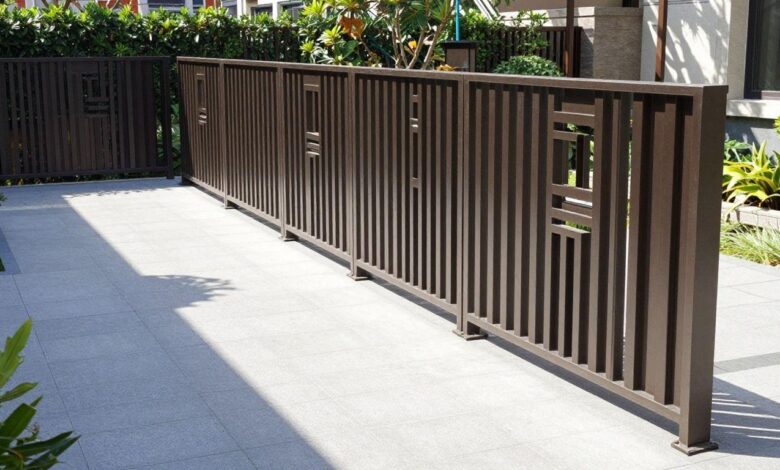
Vertical structures naturally transform flat ground into defined zones. By introducing height, designers create a sense of scale that mimics interior architecture within a backyard setting. These additions offer both functional separation and visual intrigue for the landscape.
Defining outdoor rooms
Creating distinct zones relies on vertical definition to separate areas for dining or relaxation. When you use structural elements, you effectively cordon off sections of the yard without needing solid walls. This creates a cozy atmosphere that makes large gardens feel more intimate and manageable for everyday use.
Adding height to flat landscapes
Flat yards often lack the movement required for a dynamic design. Incorporating verticality draws the eye upward, which adds a layer of depth often missing from ground-level plantings. This technique allows for a layered look that makes the entire plot feel much more thoughtfully planned.
Framing views and focal points
Strategic vertical placement acts as a natural frame for desirable garden views. By blocking unsightly backgrounds, these features provide a backdrop that highlights specific plants or garden features. This simple alignment turns ordinary vistas into framed works of art.
Strategic placement of garden screening panels
Selecting the right location for garden screening panels depends heavily on sightline analysis from various common vantage points. You should walk through your space to notice where privacy is truly needed versus where openness adds value. Proper positioning prevents the yard from feeling cluttered while maximizing the functional benefits of the screens.
Identifying sightlines for maximum enclosure
Evaluating your property from windows and patio doors identifies exactly where privacy is compromised. Blocking these direct paths transforms a standard garden into a private retreat. This process ensures that screens provide maximum benefit without wasting material on unnecessary spots.
Anchoring screening panels alongside existing hardscaping
Aligning vertical screens with patios or pathways creates a cohesive design language. Using the Screen-Up wood range provides a warm, natural anchor that integrates well with wooden decking or stone pavers. This placement reinforces the existing architectural lines of your outdoor living space.
Mitigating exposure to wind and noise
High fences often struggle to reduce wind speed without blocking all airflow. Choosing panels with intricate patterns can diffuse harsh gusts while still allowing a gentle breeze. This creates a comfortable environment regardless of how open or exposed your yard might be.
Material selection for durability and style
Choosing the right material ensures the installation stands up to local weather conditions over time. Different substrates offer distinct visual characters and maintenance requirements that dictate the longevity of your design. Balancing aesthetic desires with practical reality leads to the best long-term outcomes for any property.
Comparing wood options for traditional aesthetics
Natural timber provides a timeless texture that softens modern landscapes significantly. Whether using cedar or treated pine, these options offer a classic warmth that pairs beautifully with lush foliage. Regular care is necessary, but the tactile beauty remains a classic choice for traditional garden designs.
Benefits of laser-cut metal for intricate patterns
Metal panels provide a crisp, modern aesthetic that is difficult to achieve with organic materials. The precision of laser cutting allows for detailed motifs which cast striking shadows throughout the day. This creates a refined look that serves as a piece of art within a garden setting.
Selecting composite materials for low-maintenance requirements
Naturewall’s Decorative Garden Screens made from WPC are ideal for busy owners who want longevity. These panels resist mold and fading without needing annual painting or sealing to stay fresh. This choice is perfect for those who value performance and durability in their own home.
Balancing privacy with visual interest
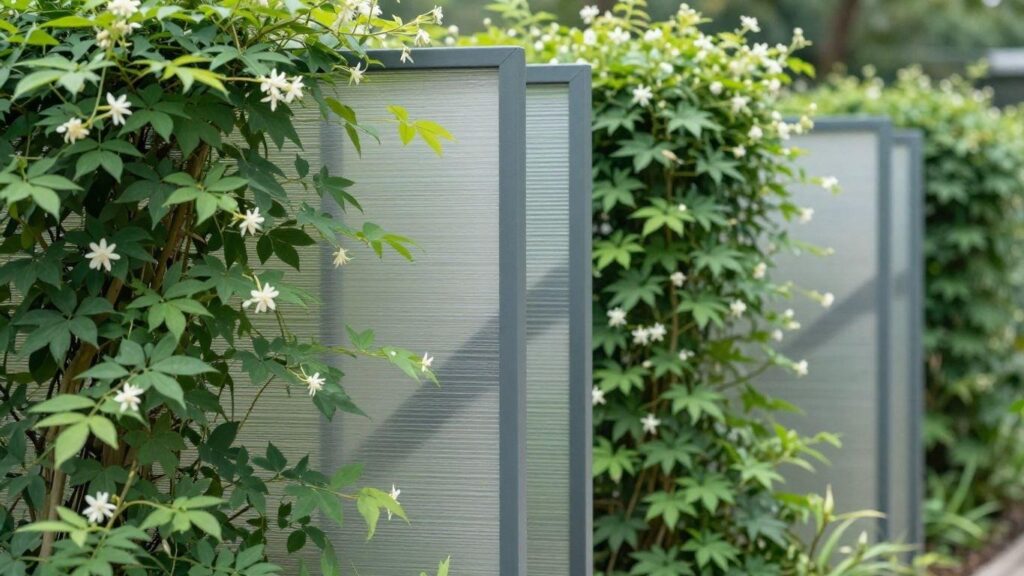
Finding the sweet spot between full enclosure and open views requires careful consideration of screen transparency. You need to control how much light permeates these barriers to ensure the garden remains balanced. Integrating various styles allows for a custom level of seclusion that feels natural rather than restrictive.
Using varied opacities to control light filtering
Adjusting the density of your selected screens manages the way sunlight floods a space throughout the seasons. Higher opacity works well for creating secluded dining zones, while lighter patterns are useful for accenting walkways. Finding the correct balance keeps the area bright while still providing a sense of comfort.
Incorporating climber plants for softer texture
Adding climbing species like jasmine or clematis to your panels introduces life and movement to the structure. The interplay between green foliage and the rigid screen creates a lush, organic aesthetic that disguises the frame. This combined approach is particularly effective when you want a natural transition from the structure to the plant beds.
Choosing patterns that complement your interior design style
Outdoor decor should reflect the aesthetic found inside the main residence to provide a visual bridge. Whether opting for linear geometric designs or organic floral motifs, the choice should harmonize with your existing patio furniture.
| Feature | Wood | Metal | Composite |
| Maintenance | Annual | Low | Minimal |
| Durability | Medium | High | High |
| Cost | Moderate | High | Moderate |
Selecting a consistent pattern style ensures that the transition from your living room to the patio feels like a deliberate design choice.
Connecting landscape zones with screening
Dividing your yard into usable sections helps organize a large plot into distinct, intentional areas. Using screens to delineate space prevents the garden from becoming disjointed or overgrown. This strategy creates a sense of flow that invites visitors to explore each area in turn.
Creating seamless transitions between dining and lounge areas
Transitioning from food preparation to relaxation requires a gentle shift in atmosphere. Positioned screens can visually signal this change without blocking the flow of conversation or traffic between groups. This creates a structured but inviting environment where each zone feels intentional.
Hiding utilitarian features like compost bins or air handlers
Unattractive utility items should be tucked away behind stylish yet functional barriers. This hide-and-seek approach cleans up the garden aesthetic by focusing attention on the landscaping rather than maintenance equipment.
Using panels to guide movement through garden paths
Thoughtfully placed panels can act as a visual compass through narrow walkways. Following these paths encourages movement through the space and creates a sense of discovery. Listed below are benefits of this spatial arrangement approach:
- Improved flow through narrow corridors
- Increased sense of garden depth
- Better organization of plant groupings
This method keeps curiosity alive as visitors interact with the structure of your landscape.
Maintaining architectural flow in small landscapes
Compact gardens require careful editing to prevent the space from feeling cramped or cluttered. Every added element must serve a double purpose, combining utility with visual appeal to keep the area open. This focus on efficiency allows even the smallest yard to feel expansive and luxurious.
Preventing feelings of confinement in tight spaces
In tiny outdoor areas, keep the screen height proportional to the surrounding architecture. Avoid walling off every side, as leaving gaps allows for light and breeze to maintain a sense of openness. A Jack Matrix plastic screen range, for example, offers various designs that open the space while maintaining enough enclosure for comfort.
Using reflective surfaces to expand visual depth
Using light colors or polished finishes can trick the eye into perceiving more space than exists. Placing these surfaces strategically allows the garden to look larger by bouncing light back into darker corners.
Integrating panels with vertical container gardens
Mounting planters directly onto your screens maximizes the available planting area in tight spaces. This vertical farming technique ensures the garden remains lush and green without eating into essential floor space for furniture or traffic. It effectively turns a single screen into a multi-use feature that provides both enclosure and fresh growth.
Conclusion
Choosing the right garden screening panels depends on your specific privacy needs and the aesthetic goals for your outdoor space. By focusing on durable materials, thoughtful placement, and the right levels of transparency, you can turn a basic yard into a layered, functional, and beautiful landscape. Small adjustments to your vertical features bring lasting structure to any size garden, ensuring it feels like a genuine extension of your home.