Planning an anniversary visual project often hits a wall when nostalgia collides with calendar reality. Couples seeking retro-themed portraits to commemorate a relationship milestone usually find themselves caught between two extremes: investing hundreds of dollars and weeks of coordination into a boutique studio, or settling for flat mobile filters that fail to capture authentic vintage film texture. An anniversary portrait should carry emotional resonance, evocative styling, and recognizable personal identity, not generic novelty.
The decision is no longer just about whether you love synthwave palettes, feathered hair, or high-contrast flash photography. The practical dilemma centers on finding the right production vehicle for your anniversary celebration. Choosing between physical set production and an AI-driven 80s photo generator requires balancing authenticity against logistical friction. Understanding how each approach handles styling fidelity, lighting dynamics, and facial retention helps couples select the ideal medium for their specific commemorative milestone.
The Anniversary Dilemma: Nostalgic Visuals Under Real-World Constraints
Every couple marking an anniversary encounters tight deadlines and competing priorities. When envisioning an eighties aesthetic—such as mall glamour portraits, denim-on-denim studio poses, or cinematic neo-noir lighting—the romantic concept often overshadows the heavy logistics required to execute it in real life. Booking an authentic vintage photoshoot requires sourcing period-accurate wardrobe, tracking down specialty photographers with genuine medium-format gear, and traveling to physical sets equipped with laser backdrops or soft-focus diffused strobes. For busy partners coordinating anniversary dinners, anniversary travel, or gift exchanges, scheduling a four-hour shoot on a Saturday morning often introduces unnecessary friction.
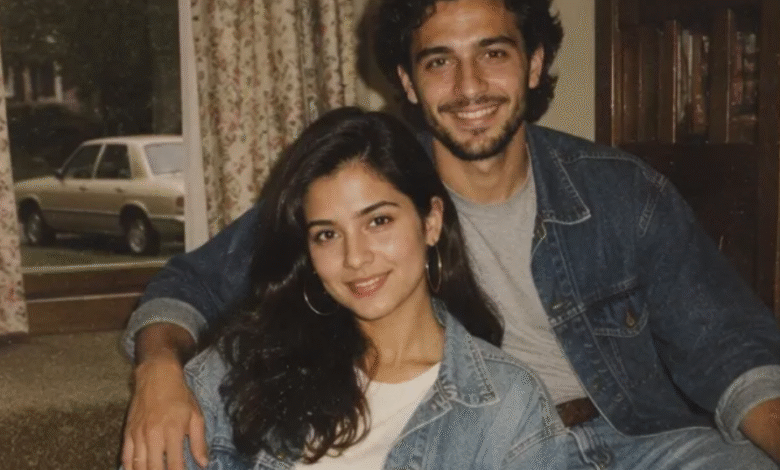
This operational friction has accelerated interest in an 80s photo generator as an alternative creative path. Modern image diffusion models allow couples to supply existing, well-lit portraits and render them through calibrated aesthetic weights. Rather than simply applying a washed-out color grading overlay, an 80s photo generator reconstructs garments, voluminous hairstyles, studio lighting, and film grain while preserving the couples’ actual bone structure. The trade-off is clear: physical studio shoots demand considerable time, physical presence, and monetary commitment, whereas generating portraits through an 80s photo generator offers rapid turnaround directly from personal camera rolls. Deciding between them depends on whether you view the physical photoshoot as the core anniversary experience itself, or whether you prioritize obtaining polished, creative nostalgic visuals without calendar disruption.
Core Benchmarks for Evaluating an 80s Photo Generator Against Physical Studios
Selecting the right commemorative medium requires objective benchmarks rather than emotional assumptions about analog superiority or digital speed. When couples evaluate a modern 80s photo generator against an in-person studio session, five criteria define production value:
| Evaluation Benchmark | Traditional Retro Photo Studio | Dedicated 80s Photo Generator |
| Facial Identity Preservation | Native optical capture of natural facial anatomy | Latent diffusion extraction; requires quality source imagery |
| Styling Authenticity | Physical vintage garments and tactile props | Algorithmic rendering of 1980s cuts, colors, and textures |
| Production Turnaround | 2 to 4 weeks for development, retouching, and proofs | Seconds to minutes per iteration |
| Financial Overhead | $250 to $800+ including session, studio, and licensing | Minimal subscription or per-render token cost |
| Creative Iteration | Fixed to booked outfits, backdrops, and lighting setups | Flexible adjustments across mall studio, disco, or prom styles |
Facial fidelity remains paramount for anniversary keepsakes. In a physical studio session, the camera captures your likeness without algorithmic translation, meaning facial identity is never in doubt. Conversely, an advanced 80s photo generator relies on facial landmark embeddings and adapter weights to reconstruct identities inside the synthesized image. While top-tier engines preserve authentic facial proportions reliably, lower-grade engines risk subtle synthetic drift.
Styling authenticity highlights a distinct contrast. In physical studios, you wear genuine thrifted leather jackets, acid-wash denim, or sequined dresses, offering tangible tactile fun. An 80s photo generator, on the other hand, synthesizes comprehensive visual ensembles from scratch. It effortlessly creates the iconic high-volume blowout, the airbrushed laser vignette, and the characteristic direct-flash lens blooming that few local commercial photographers can replicate without specialized vintage strobes.
Turnaround and financial access heavily favor automated generation. If your milestone anniversary falls within seventy-two hours, booking a photographer is practically out of the question. An 80s photo generator delivers completed assets instantly, allowing rapid experimentation across multiple sub-genres before finalizing prints or digital cards.
Weighing Tangible Props Against Synthetic Precision in Vintage Imagery
The core debate between physical studios and an 80s photo generator comes down to presence versus perfection. Physical photography captures genuine spontaneous human interaction—the unscripted laughter, the physical adjustment of oversized shoulder pads, and the shared tactile memory of dressing up together. However, traditional studios are bound by physical limitations. If the studio wardrobe does not fit your body type, or if their backdrop selection lacks the exact nostalgic tone you envisioned, your creative options remain restricted.
Synthetic generation engines bridge these visual gaps through neural precision. Leading creative platforms such as Pikvee train custom latent models on archival decade imagery, enabling an 80s photo generator to accurately balance tungsten lamp warmth, Kodachrome saturation, and the subtle color fringing typical of vintage lenses. Rather than relying on static costumes, an 80s photo generator adapts retro fashion cues directly to each individual’s physique and pose.
| Dimension | Physical Retro Studio Production | AI Retro Generation Engine |
| Primary Value | Shared physical adventure and tactile memories | Rapid visual experimentation and aesthetic precision |
| Compromise Area | High scheduling friction and non-negotiable costs | Absence of an in-person shared physical event |
| Best Asset Output | Classic, high-resolution heirloom print packages | Dynamic digital invitations, cards, and custom prints |
Couples who leverage an 80s photo generator must accept the absence of a live event; you are executing a digital production workflow rather than taking an afternoon outing. However, what you gain in exchange is total visual agility. Platforms like Pikvee eliminate the pressure of performing in front of a photographer’s lens. If you want to see yourselves depicted as eighties cop-duo partners, prom royalty, or synth-pop bandmates, an 80s photo generator makes iterating through dozens of concepts effortless.
Scenario-Based Selection Guide for Couples Planning Anniversary Milestones
Neither approach provides a universal solution for every couple. The ideal production method depends entirely on the milestone context, timeline urgency, and how you intend to showcase the commemorative portrait.
Scenario A: The Experiential Decade Milestone (Book the Physical Studio)
For major milestones such as a tenth or twenty-fifth wedding anniversary where the photoshoot itself serves as an anniversary date, booking a specialized vintage studio remains the superior choice. The value here lies in the shared laughter during wardrobe fittings and the tactile experience of posing under hot studio lights. If your primary goal is an experiential couple’s activity accompanied by tactile keepsakes, physical production justifies the logistical overhead and financial premium.
Scenario B: The Creative Anniversary Announcement or Party Invitation (Use an AI Generator)
When couples host an eighties-themed anniversary party, need striking imagery for printed invitations, or want to surprise guests with a nostalgic digital slideshow, utilizing an 80s photo generator is markedly more effective. An 80s photo generator allows you to produce uniform retro aesthetics across multiple poses in minutes. Generating personalized retro portraits with an 80s photo generator provides the exact visual punch required for event collateral without draining the event budget.
Scenario C: The Long-Distance or Time-Sensitive Anniversary (Use an AI Generator)
Couples managing busy corporate schedules or temporary long-distance arrangements rarely have the luxury of coordinating joint studio sessions. In these instances, an 80s photo generator excels. Partners can upload separate clear reference selfies into an 80s photo generator to synthesize a unified, stylized couple portrait. With engines like Pikvee, generating commemorative artwork takes minutes, allowing couples to exchange personalized milestone keepsakes even across different time zones.
Practical Guardrails and Aesthetic Limitations Before Generating Couple Keepsakes
To achieve exceptional portrait results with an 80s photo generator, couples must understand the technical guardrails of neural image synthesis. An 80s photo generator relies heavily on the quality and lighting uniformity of your source inputs. Uploading images with severe motion blur, harsh overhead shadows, or extreme wide-angle distortion forces the diffusion model to interpolate missing facial details, increasing the likelihood of facial inconsistency.
Follow these practical guidelines when preparing reference portraits for an 80s photo generator:
- Prioritize Diffused Frontal Lighting: Submit reference photos illuminated by soft, indirect window light. Uniform facial exposure allows the 80s photo generator to correctly apply era-specific vintage direct flash and soft-focus highlights without clashing with existing shadows.
- Select Complementary Facial Orientations: When aiming for a cohesive couple portrait, choose source pictures where both individuals are photographed from compatible eye-level angles to ensure natural spatial alignment.
- Inspect Output Resolution for Physical Printing: If you intend to print your generated portrait on stretched canvas or archival matte paper, run the asset through an image upscaler. An 80s photo generator produces display-ready digital resolutions, but physical framing demands higher DPI to ensure the period-accurate film grain renders crisply rather than pixelated.
Recognizing the practical boundaries of each medium empowers couples to make deliberate choices. Whether you spend an afternoon dressing up in a boutique photo studio or produce striking retro portraits with an 80s photo generator, selecting the format that fits your milestone requirements ensures your anniversary keepsake remains memorable for years to come.