United Airlines Flight UA770 Emergency Diversion: A Powerful Look at Air Safety, Crew Response, and Passenger Confidence

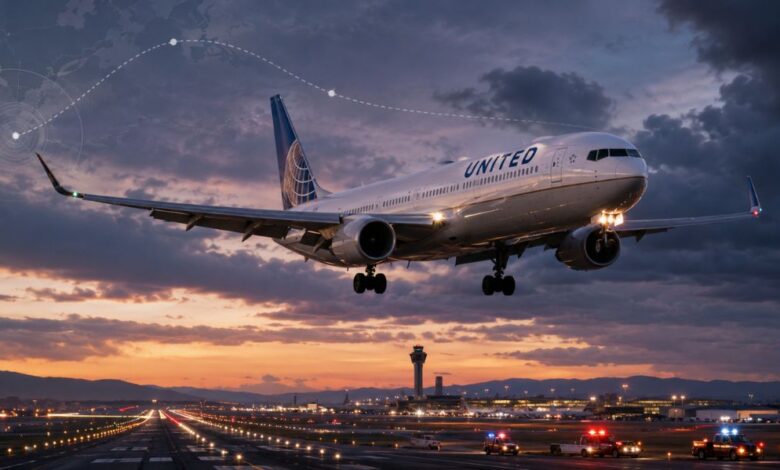
The United Airlines Flight UA770 emergency diversion gained attention for showing how a normal flight can suddenly change due to a safety concern. The flight was travelling from Barcelona to Chicago but diverted to London Heathrow, one of Europe’s busiest airports. Emergency diversions can alarm passengers, especially when few details are given. However, diversion is proof of safety working as designed. Pilots choose the safest option before issues grow, showing the system’s effectiveness.
What Was the United Airlines Flight UA770 Emergency Diversion?
The UA770 emergency diversion was an unscheduled route change after the crew declared an emergency and redirected to London Heathrow. Many online sources speculate on the cause, but official statements have not clarified the technical reason. The safest description is that the crew responded to a possible concern and diverted to a suitable airport. In commercial aviation, pilots act before situations become dangerous. Serious warnings, medical issues, passenger concerns, weather, or technical irregularities can prompt diversion and priority handling.
Why Emergency Diversions Happen in Modern Aviation
Diversions can happen for many reasons, not always due to immediate danger. Common causes are technical warnings, pressurisation issues, engine or hydraulic alerts, medical emergencies, severe weather, smoke, disruptive passengers, or operational limits. Long-haul aircraft have backup systems, but pilots avoid unnecessary risk. If continuing would lower safety margins, landing sooner is wiser. For UA770, the key point is the crew’s professional decision, not speculation. The choice brought the plane to an airport with emergency services and support.
Why London Heathrow Was a Logical Diversion Airport
London Heathrow handles large aircraft diversions well. It offers long runways, skilled controllers, emergency teams, maintenance, ground staff, customs, and rebooking connections. For transatlantic flights needing to land early, Heathrow is practical. Decisions aren’t only about distance. Pilots consider weather, runway length, weight, emergency services, maintenance, passenger handling, fuel, and airline support. UA770’s diversion shows a controlled safety decision, not failure.
The Role of the Flight Crew During the Incident
During diversion, pilots fly the aircraft, communicate, check systems, coordinate checklists, select an airport, and prepare for landing. Cabin crew keep passengers calm, secure the cabin, assist passengers who need help, and prepare for arrival. This teamwork strengthens aviation safety. Passengers may get brief announcements, but the crew follows procedures. UA770’s safe outcome highlights the value of training. The crew turns uncertainty into action.
What Passengers May Experience During an Emergency Diversion
Diversions can confuse passengers as information comes slowly. The crew may not share every detail while assessing. Passengers may notice direction changes, lower altitude, fast descent, emergency vehicles, or a new airport announcement. These signs may cause nerves, but they are standard safety measures. Planes often land normally after an emergency declaration. “Emergency” often means priority handling or precautions. UA770 shows that serious procedures can end safely and calmly.
How Air Traffic Control Supports a Diversion
Air traffic control helps during diversion. Controllers clear traffic, offer direct routes, coordinate with airports, alert emergency teams, and support efficient landings. Emergency flights get priority, not meaning disaster, but safer paths. UA770 required coordination for the route, approach, runway, and ground response. Diversion safety depends on pilots, aircraft systems, controllers, airport staff, dispatch, and responders.
The Importance of Avoiding False Claims
After aviation incidents, unverified information spreads fast. Posts may claim mechanical failures, passenger emergencies, pressure issues, or defects without official details. This can mislead and cause fear. Responsible UA770 reporting should separate confirmed facts from guesses. The public story confirms the safe diversion and landing. The cause deserves careful mention unless supported by reliable information. Accurate reporting boosts confidence and is more useful than drama.
What the Incident Shows About Aviation Safety
UA770 shows modern aviation centres on prevention. Aircraft have advanced monitoring systems, and crews respond before situations become critical. Diversions can delay, inconvenience, and stress passengers, but they protect everyone onboard. Airlines prefer managing delays, hotel reservations, rebookings, inspections, and costs rather than flying in uncertain safety conditions. This safety-first culture makes commercial aviation highly managed. A diversion is often caution, not chaos.
Passenger Rights and Airline Support After a Diversion
After diversion, passengers wonder what happens next. Answers depend on the cause, the laws and policies, and the length of the delay. Airlines may offer rebooking, meals, hotel accommodations, transport, or updated travel arrangements when flights don’t continue immediately. Compensation varies, especially internationally, and not every diversion means cash. Outside causes, like weather or medical issues, limit compensation. Inside causes increase airline support. UA770 passengers should keep boarding passes, receipts, delay notices, and airline updates.
How Travellers Should Respond During a Flight Diversion
The best thing passengers can do during a diversion is remain calm, follow crew instructions, keep seat belts fastened when required, and avoid spreading rumors during the flight. Cabin crew are trained to manage emergencies, but they need passengers to cooperate. Travelers should listen carefully to announcements, keep important medication and documents accessible, and wait for official updates after landing. If the diversion results in missed connections or additional expenses, passengers should document everything clearly. The united airlines flight ua770 emergency diversion is a reminder that preparation matters. Even when flying with a major airline on a modern aircraft, passengers should keep essentials in hand luggage, especially medication, chargers, identification, and important travel documents.
Why This Story Matters Beyond One Flight
The story matters because it helps readers understand the difference between danger and safety procedure. Aviation emergencies are not always dramatic scenes; many are controlled decisions made by trained professionals using established systems. The united airlines flight ua770 emergency diversion became a search topic because people naturally want to know what happened, why the flight changed course, and whether everyone was safe. But the wider lesson is that diversions are part of the safety net. They allow crews to choose certainty over risk. They give aircraft access to inspection, support, and emergency services. They also show how much planning exists behind every international flight.
Conclusion
The united airlines flight ua770 emergency diversion should be viewed as a serious but controlled aviation event that underlines the strength of modern flight safety procedures. While the exact publicly confirmed cause should not be overstated without official evidence, the reported diversion to London Heathrow shows how pilots, cabin crew, air traffic control, and airport teams work together when a flight requires priority attention. For passengers, such an event can be stressful and inconvenient, but it also demonstrates that commercial aviation is designed to act early, manage uncertainty, and protect lives before anything else. In the end, the strongest lesson from United Airlines Flight UA770 is that safety decisions may disrupt a journey, but they are meant to ensure every passenger has the best possible chance of arriving safely.
(FAQs)
What was the United Airlines Flight UA770 emergency diversion?
The United Airlines Flight UA770 emergency diversion refers to a reported incident in which United Airlines Flight UA770, travelling from Barcelona to Chicago, diverted to London Heathrow after an emergency was declared. The flight landed safely, and the diversion became a topic of public interest because passengers and readers wanted to understand why the route changed.
Why did United Airlines Flight UA770 divert?
The exact official cause of the united airlines flight ua770 emergency diversion has not been clearly confirmed in widely available public information. In aviation, diversions can occur due to technical alerts, medical issues, weather concerns, passenger-related incidents, or other safety concerns. Without official confirmation, it is better not to guess the exact cause.
Was United Airlines Flight UA770 in serious danger?
Public reports indicate that the flight diverted and landed safely. An emergency declaration does not always mean an aircraft is in immediate danger. It often means the crew wants priority handling, a faster landing route, or emergency services ready as a precaution.
Where did United Airlines Flight UA770 land after the diversion?
United Airlines Flight UA770 reportedly diverted to London Heathrow Airport. Heathrow is a major international airport with robust emergency response services, long runways, maintenance support, and airline ground operations, making it a suitable diversion airport for long-haul flights.
What happens when a flight declares an emergency?
When a flight declares an emergency, air traffic control gives the aircraft priority. Controllers may clear the route, guide the aircraft toward the safest airport, and alert airport emergency teams. The crew then follows safety checklists and prepares the aircraft and passengers for landing.
Are emergency diversions common?
Emergency diversions are not everyday events, but they are a normal part of aviation safety planning. Airlines and pilots are trained for them. A diversion is often a careful safety decision made before a situation becomes more serious.
Do passengers get compensation after an emergency diversion?
Passenger compensation depends on the reason for the diversion, the length of the delay, the route, and the applicable laws. If the diversion was caused by something outside the airline’s control, compensation may be limited. Passengers should keep receipts, boarding passes, and official airline messages if they want to make a claim.
What should passengers do during an emergency diversion?
Passengers should stay calm, follow crew instructions, keep seat belts fastened when required, and avoid spreading unverified information. After landing, they should wait for official airline updates about rebooking, onward travel, hotel support, or other assistance.
Why is the United Airlines Flight UA770 emergency diversion important?
The united airlines flight ua770 emergency diversion is important because it shows how aviation safety systems work in real time. The crew chose a safer option by diverting rather than continuing under uncertain conditions. That kind of decision helps protect passengers, crew, and the aircraft.
Should the incident make travellers worried about flying?
No. A diversion can feel worrying, but it usually shows that pilots and airlines are acting cautiously. Modern aviation is built around prevention, training, and backup systems. The safe landing of United Airlines Flight UA770 shows that emergency procedures can work effectively.