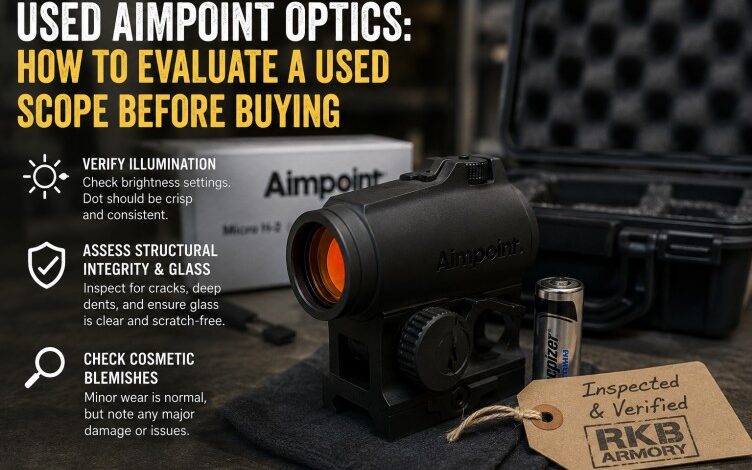
Understanding The Value Of Used Aimpoint Optics
The Smart Investment In Proven Performance
Buying used Aimpoint optics isn’t just about saving a few bucks; it’s a smart move for anyone who values reliability and performance without the brand-new price tag. Aimpoint has built a reputation for making some of the toughest red dot sights out there, and a used one still carries that legacy. Think of it like buying a used truck from a reputable dealer – it’s already proven itself, and you’re getting a solid piece of equipment that’s ready to go. These optics are designed to last, meaning a pre-owned model often retains most of its original performance potential.
Why ‘Used’ Can Be Superior To New
It might sound odd, but sometimes buying used can actually be better than buying new. New items, especially complex electronics, can sometimes have what they call “infant mortality” issues – basically, a factory defect that shows up right away. If an optic has been used and is still working perfectly, it’s likely past that initial shaky period. You’re getting a piece of gear that has already survived its early life and proven its mettle. Plus, cosmetic wear like minor scratches on the housing usually doesn’t affect how the optic functions at all. It’s just a sign that it’s been out there doing its job.
Access To Military-Grade Durability
Aimpoint optics are famous for being built tough, often used by military and law enforcement. This means they’re designed to handle serious abuse, extreme weather, and constant use. When you buy a used Aimpoint, you’re getting access to that same military-grade durability at a much more affordable price. You’re not compromising on the ruggedness or the reliability that the Aimpoint name stands for. It’s a way to get top-tier performance without breaking the bank.
Here’s a quick look at what makes Aimpoint so durable:
- Waterproof and Fogproof: Built to perform in wet and humid conditions.
- Shockproof Construction: Designed to withstand recoil and impacts.
- Long Battery Life: The “Always On” technology means your optic is ready when you are, often for years on a single battery.
When you buy a used Aimpoint, you’re investing in a piece of equipment that has already demonstrated its ability to withstand the rigors of real-world use. This often means you’re bypassing potential early-life failures and getting a truly battle-tested optic.
Key Areas To Inspect On Used Aimpoint Scopes
When you’re shopping for a used scope, it’s way more than just checking if the red dot turns on. Aimpoint optics are built tough, but that doesn’t mean every used one is a safe bet. You’ve got to be hands-on and methodical to make sure you’re getting the performance you expect.
Verify Illumination Functionality
Always confirm the red dot works at all intensity settings. A weak or flickering dot means trouble, especially if you plan to use your scope in changing light conditions. Here’s how to check:
- Cycle through all brightness settings, both in bright sunlight and low light. The dot should stay sharp and not wash out or ghost.
- Swap in a fresh battery, just in case the seller’s is on its last legs.
- If possible, test for parallax by moving your eye side to side while aiming at a distant object. The dot should stay centered over the target if the optic is working right.
A reliable red dot should light up instantly and stay on for years without fuss, even if someone else used it before you got it.
Assess Structural Integrity And Glass
Don’t let rugged construction lull you into skipping a close inspection. Even a used Aimpoint scope can be damaged if it was dropped or mounted incorrectly. Focus on these points:
- Glass: Look for scratches, cloudy patches, or chips. Check both ends in bright light.
- Housing: Feel for dents, deep dings, or cracks. Light cosmetic scuffs are fine, but anything deep should raise a flag.
- Seals: Gently check the adjustment turrets and battery compartments for worn or missing o-rings. Missing seals could mean water will get in later.
Table: Inspection Checklist for a Used Aimpoint
| Area | What to Check | Pass/Fail |
| Illumination | Dot is crisp, adjusts | |
| Front Glass | No major scratches/chips | |
| Rear Glass | No haze, scratches | |
| Housing | No deep dents or cracks | |
| Battery Compartment | O-ring present, clean |
Check For Cosmetic Blemishes
Used scopes almost always have some scuffs or wear on the exterior. That’s to be expected—but you should still pay attention to where and how much. Here are the main things to note:
- Scratches on the body are normal from regular use, especially around the mounting area.
- Really deep gouges, bent adjustment turrets, or cracks are different; they can signal hidden damage that could spread with use.
- Peeling, bubbling, or mismatched finish can sometimes be a red flag for prior repairs—or, worse, fakes.
Good cosmetic condition on a used Aimpoint isn’t about being flawless. It’s about knowing what adds character and what signals future headaches.
Inspecting a used scope with care isn’t just smart—it’s the best way to make sure your next trip to the range is all about shooting, not sorting out optic problems.
The Importance Of A Trusted Seller
Confidence Through Professional Inspection
Buying a used Aimpoint optic can feel like a bit of a gamble sometimes. You see a great deal online, but how do you really know what you’re getting? That’s where a trusted seller makes all the difference. A good seller doesn’t just move product; they stand behind it. They’ve likely put the optic through its paces, checking all the important bits so you don’t have to. It’s like buying a used car from a reputable dealership versus a random guy on the side of the road. You get peace of mind knowing someone with experience has already vetted the item.
Understanding The RKB Armory Standard
At RKB Armory, we don’t just slap a “used” sticker on things and call it a day. Every single optic that comes through our doors gets a thorough once-over from folks who know their gear. We’re talking about checking the glass for any weird scratches, making sure the illumination is bright and steady across all settings, and giving the housing a good look-over for any damage that could cause problems down the line. It’s a detailed process designed to catch any potential issues before they ever reach you. We want you to be confident that when you buy from us, you’re getting a solid piece of equipment that’s ready to go.
Return Policies For Peace Of Mind
Even with the best inspections, sometimes things just don’t work out. That’s why a good return policy is so important. If you get your optic and it’s not quite what you expected, or if you discover an issue you didn’t anticipate, a reputable seller will have a clear and fair return process. At RKB Armory, we offer a 30-day return window. You just need to send it back in the same condition you received it. This gives you a real safety net, letting you make your purchase with less worry. It’s all about making sure you’re happy with your gear long after you’ve bought it.
Identifying Potential Issues With Used Optics
If you’re considering a used Aimpoint scope, it’s smart to know what can go wrong so you don’t end up dealing with someone else’s headaches. There’s a lot more to used optics than just a few scratches on the outside—some problems are easy to spot, others can hide until you’re at the range. Let’s go through the main pitfalls, broken down into three key areas.
The ‘Lemon’ Factor: Factory Defects
Every now and then, a scope leaves the factory not quite right. That one-in-a-hundred dud can slip through, even from top brands:
- Electronics not functioning, or intermittent red dot
- Faulty adjustment turrets (loose, unresponsive, or way off target)
- Sealing problems that lead to fogging or water entry
Oddly enough, buying used can be safer in this regard, since a factory defect usually reveals itself quickly—if the previous owner actually used it. If it’s been sitting in their safe since day one, watch out. Always ask the seller if the optic’s seen real use and has passed live-fire testing.
Recognizing Signs Of Wear And Tear
Most used Aimpoints were built to survive more than a rough hunt or a carbine course. Their issues, when they do show up, are often physical, not functional:
- Scratched or cloudy lenses
- Visible dings, gouges, or cracks on the body
- Buttons, turrets, and battery caps that feel loose or don’t turn smoothly
- Faded or dim red dot
Here’s a quick table to break down common wear issues and how much they matter:
| Issue | Performance Impact | Cosmetic Only? |
| Small lens scratches | Usually Low | Yes |
| Deep housing gouges | Might be High | Sometimes |
| Weak/dim LED | Almost Always High | No |
| Turret slop/looseness | Usually High | No |
| Minor anodizing wear | None | Yes |
Even minor damage to the glass or electronics can make an otherwise “great deal” not worth the hassle. Do a hands-on check, and don’t settle for photos alone—ask the seller for a real-time video or meet up in person, if you can.
Avoiding Counterfeit Aimpoint Scopes
Counterfeits have gotten better every year, so don’t assume you can spot a fake from across the room. The risks with fakes aren’t just about losing money—the dot often fails after one range trip. Keep a sharp eye out by:
- Checking the serial number with Aimpoint’s official database
- Examining the weight, finish, and engraving depth—real Aimpoints feel solid, not light or cheap
- Watching for sketchy sellers who won’t provide up-close photos, or offer deals that seem way too good
- Avoiding auction sites and private ads unless you’re experienced in spotting fakes
If you’re unsure, buy only from an authorized dealer or someone willing to do a return if the optic isn’t legit.
In the end, the best way to dodge the classic pitfalls is to combine a careful hands-on inspection with a bit of patience. There are plenty of gems out there—but also enough lemons to keep you on your toes. Take your time, ask good questions, and you’ll find a used Aimpoint that performs like new.
Maximizing Value When Selling Used Aimpoint Optics
So, you’ve decided it’s time to upgrade your Aimpoint or maybe just clear out some gear. Selling your used optic can be a smart move, not just to make some cash but to pass on a reliable piece of equipment. Aimpoint optics are built tough, so they hold their value pretty well. But to get the most out of it, you gotta do a little prep work. Think of it like selling a car – a little cleaning and a good description go a long way.
Preparation For A Better Sale
First things first, give that optic a good once-over. Wipe down the housing, clean the lenses carefully (use a proper lens cloth and cleaner, no Windex!), and make sure any mounting marks are noted. If you still have the original box, manual, or any tools that came with it, dig those out. Having all the original bits and pieces can really bump up the perceived value for a buyer. It shows the optic was cared for.
Honest Assessment Of Condition
Be upfront about what you’re selling. If there are cosmetic scratches on the body, mention them. Most buyers understand that a used optic might have a few battle scars, especially Aimpoints, which are built for tough use. What really matters is that the optic functions perfectly. Make sure the illumination is bright and clear, the adjustments are crisp, and the glass is free of any deep scratches or damage. Honesty builds trust, and trust leads to a quicker sale.
Selling To A Reputable Dealer
While selling directly to another shooter can sometimes get you a bit more money, it also means dealing with listings, messages, and shipping. If you want a straightforward process, consider selling to a dealer who specializes in used optics. They know the market, they can inspect the item quickly, and they’ll handle all the logistics. Plus, you get paid fast, which means you can put that money towards your next piece of gear without the wait.
When selling, remember that a well-documented history, including any original purchase information or service records, can add significant credibility and value to your used Aimpoint optic.
Aimpoint’s Legendary Reputation
The ‘Always On’ Technology Advantage
Aimpoint really made a name for itself with its “always on” technology. What this means is that the battery life on these things is just insane. We’re talking years, not hours or days, of continuous use on a single battery. This isn’t just a neat feature; it’s a serious advantage when you need your optic to work without fuss. You can leave it on and know it’ll be ready when you are, which is a big deal for anyone relying on their gear. It takes the worry out of whether your sight will be ready when you need it most.
Rugged Durability for Harsh Conditions
These optics are built tough. Aimpoint designs them to handle pretty much anything you can throw at them. We’re talking about being fully waterproof, fogproof, and able to handle extreme temperatures. Whether you’re out in the desert heat or the freezing cold, an Aimpoint is designed to keep performing. Their construction is robust, meaning they can take a hit and still hold zero. This kind of durability is why they’re trusted by military and law enforcement units all over the world. They just don’t quit.
Minimalist Design for Rapid Acquisition
One of the things that makes Aimpoint so effective is its simple design. There aren’t a lot of complicated buttons or settings to fiddle with. You get a clear, crisp red dot, and that’s it. This minimalist approach is all about speed. It allows for really fast target acquisition, which is super important when you need to get on target quickly. The lack of magnification and parallax means you can keep both eyes open, making you more aware of your surroundings and faster on the draw. It’s all about making things as straightforward as possible for the shooter under pressure.
Frequently Asked Questions
What are the main things to check when buying a used Aimpoint scope?
When you’re looking at a used Aimpoint, make sure the glass is clear and not scratched. Also, check that the red dot lights up bright and can be adjusted. The outside of the scope should be solid, without big dents or cracks. Buying from a place that checks these things for you, like RKB Armory, makes it easier.
Can I expect the same long battery life from a used Aimpoint?
Yes, if the used Aimpoint has been taken care of, it should still have that amazing long battery life Aimpoints are known for. The batteries usually last for years, so even a used one should keep going for a very long time.
Are small scratches on the Aimpoint’s body a big problem?
Usually, no. Little scratches or marks on the outside of the scope are normal if it’s been used. They’re just cosmetic and don’t usually affect how well the scope works. However, if the glass itself is damaged, that’s a different story and something to avoid.
How can I get the most money when I sell my used Aimpoint scope?
To get the best price, clean your scope really well and make sure it’s working perfectly. If you still have the original box and any tools or covers that came with it, include those. Being honest about its condition will also help you get a fair price from a good dealer.
Why is buying a used Aimpoint a good idea?
Buying a used Aimpoint is smart because you get Aimpoint’s super tough quality and ‘always on’ reliability for less money. These scopes are built to last through tough situations, so a used one has already proven it can handle the job and is often a better value than a new scope from a less durable brand.
How do I know if a used Aimpoint scope is real and not a fake?
Fake scopes can look very similar, so it’s important to be careful. Check the price – if it seems too cheap to be true, it probably is. Also, look closely at the details like the logo, the finish, and how the adjustments feel. Buying from a trusted seller like RKB Armory, who inspects them, is the safest way to make sure you get a real Aimpoint.