Everyone tells you to go to the volcano.
Nobody tells you how to actually be there.
I have visited Hawaiʻi Volcanoes National Park three times now, and each trip I have watched the same patterns play out. Visitors arriving mid-morning when the parking lots are already full. People without layers standing at the crater overlook in 55-degree mist looking genuinely surprised. Tour buses pulling up at the exact moment you found what you thought was a quiet lookout. Families driving Chain of Craters Road with no food, no water, and no idea how long it actually takes.
None of this is their fault. The information exists but it is buried under a layer of general travel advice that treats the park like a checkbox rather than an environment worth understanding before you arrive.
Here is what I would tell anyone planning their first serious visit.
Go at Dawn or Don’t Go at All
This is not a suggestion. It is the difference between two entirely different experiences.
The park before 8 a.m. is quiet in a way it never is at 11. The parking at Kīlauea Overlook is manageable. The crater often has a stillness to it in the early morning that the middle of the day completely destroys. On clear mornings the lava lake glows distinctly in the low light. On misty mornings the caldera fills and clears and the whole thing has a quality that photographs never fully capture.
By 10 a.m. the first tour buses from Kona and Hilo are arriving. By noon the overlooks are crowded and the parking situation requires patience. The park is still worth visiting at those hours but it is a fundamentally different experience from the same place at 6:45 a.m.
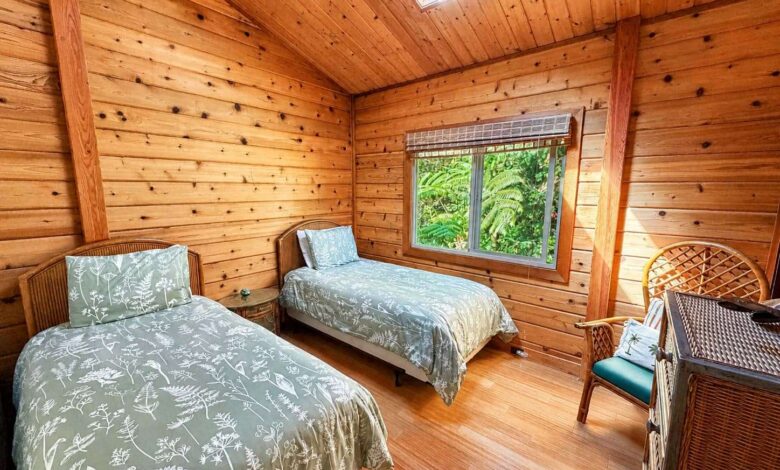
Getting there at dawn requires either being willing to drive a long way before sunrise or being based somewhere close. Staying in a private vacation rental home in Volcano Village is what makes this consistently possible. The park entrance is minutes from most properties in the village, which means a 6:30 a.m. alarm is entirely reasonable rather than something you negotiate with yourself at midnight.
The Crater Is Only the Beginning
Most first-time visitors spend their entire park visit at the Kīlauea Overlook and the visitor center area. Both are worth your time. Neither is the complete picture of what this park contains.
Chain of Craters Road is one of the more extraordinary drives available in any national park in the United States. It descends 3,700 feet over roughly 20 miles through successive lava flows from different eruptions across the past century, each flow a distinct texture and color, each one a layer of geological time made visible at driving speed. The road ends at the ocean where black lava cliffs meet the Pacific. There is nothing else down there. Bring everything you need before you start.
The Thurston Lava Tube is a 20-minute walk through a tunnel carved by flowing lava. It is cool, damp, and genuinely strange in the way that only places shaped by forces operating at a completely different scale from human experience can be. It is short enough that anyone can manage it and interesting enough that almost everyone wishes it were longer.
The Devastation Trail crosses a cinder field created by the 1959 Kīlauea Iki eruption. The walk is paved, easy, and looks like the surface of another planet. Plants have begun reclaiming the edges of the field in the intervening decades, which makes the contrast between the black cinder and the green shoots one of the more quietly affecting things in the park.
Kīlauea Iki Crater Trail is the one worth saving for your second day if you have the legs for it. The trail descends into the crater itself and crosses the hardened lava lake floor. Walking on top of something that was molten lava within living memory requires a particular kind of recalibration. Give it the time it deserves.
Vog Is Real and Worth Planning Around
Volcanic smog, produced by sulfur dioxide emissions from Kīlauea, is the practical safety consideration that most travel content does not address directly enough.
On most days vog is a background presence at worst. A faint sulfur smell near the crater, slightly reduced visibility compared to a clear day, nothing that meaningfully affects the visit. On other days, depending on wind direction and current activity levels, vog concentrations near the crater can be significant enough to cause respiratory irritation for sensitive visitors.
This matters more than most guides acknowledge. If you or anyone in your group has asthma, significant allergies, or any other respiratory condition, check the Hawaii Department of Health’s air quality monitoring before your visit and give yourself a conservative threshold for turning back from the overlook areas if conditions are poor that day. The park itself posts current vog conditions at the visitor center and on the NPS website.
For the majority of visitors with no respiratory concerns, vog is an occasional mild inconvenience rather than a genuine obstacle. But knowing about it in advance means you plan for it rather than being caught off guard.
What to Bring That Most People Leave Behind
The park sits at elevation. Elevation means cool temperatures, damp air, and wind that feels much colder than the thermometer suggests. The Kona coast in your rearview mirror might have been 82 degrees. The crater overlook at the same moment might be 54 with a breeze. Pack accordingly every single time, regardless of what the forecast says.
Water and food are non-negotiable if you are going beyond the visitor center area. There is no food available inside the park once you leave the main facilities, and Chain of Craters Road puts you significantly further from anything than it appears on the map.
A headlamp or flashlight if you plan to be there at dawn or stay for the evening glow. The parking areas are well lit but the trails are not, and the lava lake at night with the sky dark around it is worth seeing at least once.
Download offline maps before you arrive. Cell service inside the park is unreliable in many sections and nonexistent in others. Google Maps with the area saved offline works well and has saved several visits from unnecessary complications.
Where You Stay Shapes Everything
The outdoor and adventure visitor to this park is best served by being as close as possible to the entrance. Every hour saved on driving is an hour available for the park itself, and the park rewards the visitors who can afford to move at its pace rather than their itinerary’s.
Volcano Village is the right base for this kind of visit. The village sits minutes from the park entrance at 3,800 feet in a Hawaiian rainforest that is itself worth a morning of exploration. Aloha Hale on Haunani Street is a private three-bedroom rental home that gives outdoor travelers exactly what they need: a full kitchen for early starts, ample parking for gear, and a property that is entirely theirs so arrivals and departures at unusual hours do not require coordinating around anyone else’s schedule. Full property details and booking information are at volcanohi.com.
For a guide to what is worth doing in the area beyond the national park, including the Puna district coastline, Mauna Kea, and the local recommendations that most visitors never find, the area guide at Aloha Hale Volcano Village covers the surrounding region thoroughly.
The Last Thing
The park does not perform for you. It does not arrange itself around your schedule or produce dramatic conditions on request. The lava lake glows when it glows. The mist clears when it clears. The crater reveals itself in whatever way it chooses on the morning you happen to be standing at the overlook.
The visitors who understand this tend to have the best experiences. They come back twice in the same day if conditions change. They sit with something for longer than feels strictly necessary. They let the place set the pace rather than the other way around.
It is an active volcano. It has been doing this longer than any of us. The respectful move is to show up prepared and then get out of the way.