You don’t need a studio or a crew to make footage that looks and feels intentional. Whether you’re filming a weekend walk, a family celebration, or a short piece for social media, the choices you make before, during, and after recording determine how your story reads. Small, consistent decisions add up to footage that feels cinematic instead of accidental.
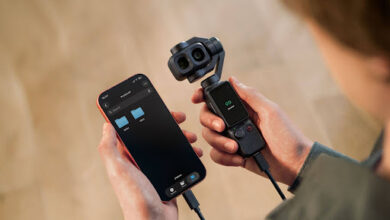
If you’re comparing gear before a trip, a quick search for top compact cameras will show how many options are available. That said, the camera is just a tool. With a few creative habits and reliable techniques, you can create impact with the devices you already carry.
Why Small Cameras Work In Your Favor
People often associate cinematic footage with large rigs and complex setups. In reality, compact cameras invite a different kind of storytelling. They are less conspicuous so you can capture candid moments. They are light enough to carry everywhere so you get more shooting opportunities. And they’re fast to set up, which means you waste less time fiddling and more time observing.
Smaller cameras also change your behavior. When you aren’t worried about bulky equipment you’ll move more freely. You’ll experiment with angles you wouldn’t try with a tripod. That kind of experimentation yields moments that feel fresh and unforced. Rather than trying to mimic big-budget productions, focus on what small gear enables: intimacy, spontaneity, and mobility.
Put Storytelling Before Specs
A common trap is chasing numbers: megapixels, frame rates, dynamic range. Those details matter to an extent, but they won’t save a weak story. Start with a simple narrative idea. What is the emotion you want to preserve? What detail do you want viewers to remember? Once you have that, let every shot serve it.
Think in beats. A short sequence might have an establishing shot, a few detail shots, and a reaction. That structure gives rhythm without requiring elaborate setups. Consider these storytelling principles:
- Show, don’t tell: Let visuals reveal character or mood rather than relying on narration. A close-up of hands, a lingering look, or a change in weather can communicate more than words.
- Contrast scenes: Pair busy moments with quiet ones. Contrast creates emphasis.
- Use cause and effect: Show an action and then its consequence to create a satisfying narrative link.
When you plan shots this way, even brief sequences gain cohesion. Audiences pick up on that cohesion instinctively.
Practical Shooting Techniques That Elevate Footage
Technique is where the camera meets intention. These are straightforward habits you can adopt immediately.
- Mind your framing: Use the rule of thirds to place your subject off-center. Leave space for motion so moving subjects have room to enter the frame.
- Vary shot types: Mix wide, medium, and tight shots. Tight details make viewers feel present, while wide shots set context.
- Move with purpose: Small, deliberate moves read better than random motion. Walk toward a subject slowly for a reveal or follow with a steady lateral move to maintain momentum.
- Use natural light: Light defines mood. Early morning and late afternoon produce softer, more flattering light. When shooting indoors, position subjects near windows and avoid overhead lights that cast harsh shadows.
- Stabilize when needed: If your camera’s built-in stabilization is limited, use steady handheld techniques. Tuck your elbows to your torso or brace against a solid surface. For short panning moves, try the one-knee stance to reduce wobble.
- Capture ambient audio: Even if you plan to add music, record the natural sounds of a scene. The creak of a stair, city hum, or laughter grounds footage in reality.
- Slow motion sparingly: Use higher frame rates for actions where motion detail matters, like a splash or a jump. Slow motion can create drama, but overuse makes footage feel artificial.
Don’t worry about getting every technique perfect. Aim for consistency. The more often you practice these moves, the more naturally they’ll fit into moments.
Editing Choices That Make Footage Feel Polished
Editing turns raw footage into a narrative. You don’t need complex software to make smart choices. Focus on rhythm, continuity, and emotional arc.
- Trim aggressively: Keep only what matters. Tight edits increase tension and focus.
- Watch the audio: Natural sound helps continuity. Use ambient clips to bridge shots and create seamless transitions.
- Use match cuts: Match the action or composition between two shots to create a smooth flow. For example, cut from someone closing a door to another scene that begins with a similar motion.
- Pace to mood: Faster cuts heighten energy. Slower pace allows reflection. Let the emotional tone of the scene guide the edit speed.
- Color and exposure tweaks: Subtle adjustments to contrast, color temperature, and exposure can unify clips shot at different times. Avoid heavy grading unless it serves a clear stylistic goal.
- Layer music carefully: Music can lift a scene but don’t let it drown natural audio. Low-volume tracks or instrumental pieces often work best for short narratives.
- Embrace silence: Moments with little or no sound can be powerful when placed intentionally.
There is no one correct editing style. The goal is coherence. When your visual choices, audio, and timing align with the story, the result feels deliberate.
Making Cinematic Choices Without a Crew
The secret to cinematic-looking personal work is intentional limitation. When you accept practical constraints you make better creative decisions. Limitations force you to prioritize the story, pick meaningful details, and polish what really matters.
Plan a few key shots in advance, but leave room for spontaneity. Scout locations quickly to find interesting angles and reliable light. Use reflective surfaces, doorways, or foliage to frame subjects naturally. And remember that small gestures add up: a slow head turn, a hand brushing a surface, or a fleeting smile can be the emotional core of a short sequence.
Finally, treat every outing like a learning opportunity. Review your footage critically, note what worked, and try a small tweak next time. Over a few shoots you’ll notice your instincts change. You’ll find yourself seeing moments that are worth filming before you raise the camera.
Conclusion
Cinematic work isn’t defined by equipment alone. It’s the result of consistent habits that prioritize story, light, and movement. With a compact camera in your pocket and a handful of reliable techniques, you can turn ordinary moments into memorable sequences. Practice framing, pacing, and editing with intention, and you’ll soon notice a real difference in how your footage communicates.