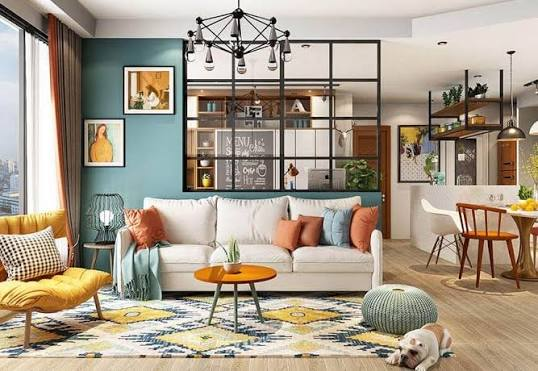
When people talk about improving their home environment, the focus often goes to major changes such as renovations, new furniture or a complete redesign of the space. However, the aspects that actually shape everyday comfort are usually much smaller and more subtle. Things like how easy it is to find daily items, how visually calm a room feels, and how smoothly routines flow through a space tend to have a greater long-term impact than any single design decision.
I noticed this clearly when I recently reorganised parts of my home. There were no structural changes and no renovation involved. The adjustment was simple: I reorganised the bathroom so that daily essentials were grouped together, and I reduced unnecessary items on visible surfaces. The effect was immediate in a practical sense. Morning routines became smoother because there was no need to search for things, and evenings felt more relaxed because the space no longer required extra effort to reset before resting. The physical environment stayed the same, but the way it supported daily life changed significantly.
Prioritizing Practical Living Over Visual Complexity
In small everyday decisions like this, I occasionally refer to PromoPro UK as a light reference point when considering household purchases, although not in a direct or promotional sense. It is more about understanding which items are worth keeping in a long-term routine and which ones simply add friction to daily use. Over time, it becomes clear that improving a home environment is less about accumulating new things and more about removing small sources of distraction so that existing spaces work more naturally.
Looking more broadly at lifestyle patterns, this approach is becoming increasingly common. People are shifting their attention away from how a space looks in photos or design concepts and focusing more on how it feels to live in. A kitchen that supports easy movement, a bathroom that stays uncluttered, or a bedroom that encourages rest often matters more than any specific aesthetic direction. The quality of a home environment is increasingly defined by usability rather than visual complexity.
Reducing Visual Noise and Creating Effortless Daily Comfort
Another subtle shift is the growing awareness of visual noise. This is not about strict minimalism, but about reducing unnecessary distractions within a space. Keeping surfaces clear, organising storage in a consistent way, and ensuring that everyday objects are easy to access all contribute to a calmer environment. These changes may seem minor individually, but they significantly affect how people feel in their home on a daily basis.
Over time, this way of thinking is less about creating a perfect home and more about creating a smoother daily rhythm. When a space works with your routines instead of against them, comfort becomes a natural outcome rather than something that needs to be designed or forced. Many people only realise later that real comfort is not tied to style or decoration, but to how effortlessly life fits into the space they already have.
As this approach continues to evolve, even small habits begin to matter. People start noticing how often they reset their space at the end of the day, how quickly they can move through morning routines, or how much mental effort a room requires just to stay organised. These details are often invisible at first, but over time they shape how “easy” a home feels to live in. Once that ease is experienced consistently, it becomes difficult to ignore, and it quietly redefines what a good living space actually means.