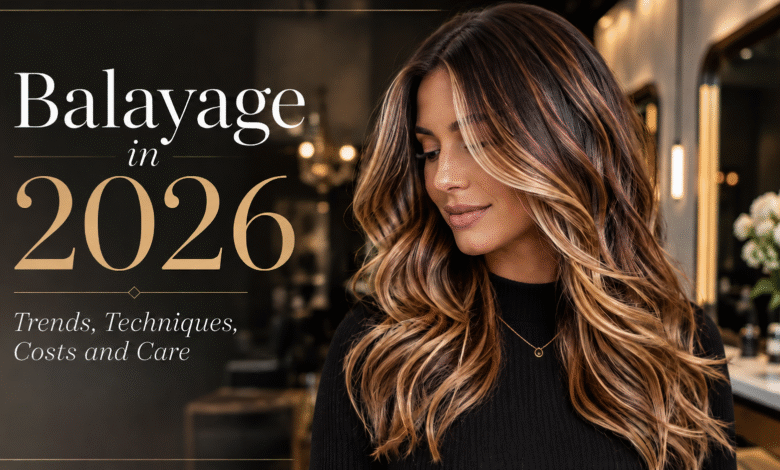
Balayage in 2026 remains one of the most requested ways to add light, depth and movement to hair. Its appeal comes from flexibility: a colourist can adapt the placement to the client’s natural shade, haircut, texture and maintenance preference.
Modern balayage is not limited to sun-kissed blonde. Current versions include brunette ribbons, caramel, copper, grey blending, soft face frames and bold panels. Colourists may also combine hand painting with foils, lowlights, root shadows and glosses. Therefore, the service name matters less than the consultation, technical plan and finished result.
This guide explains the biggest 2026 trends, how balayage differs from highlights and ombré, what happens during an appointment, realistic UK costs and the aftercare needed to maintain the colour.
Why Balayage in 2026 Remains Popular
Balayage can create brightness without colouring every strand. When the root stays close to the natural shade, new growth often looks softer than dense highlights placed directly from the scalp. Consequently, many clients leave longer gaps between full lightening appointments.
However, low maintenance does not mean no maintenance. The lightened sections remain permanent, but toner fades. Glosses, trims and face-frame refreshes may still be needed between larger services.
Personalisation keeps the technique current. A colourist can preserve brunette depth, brighten the face or paint selected curls. That flexibility allows balayage to change with trends while retaining its customised character.
Understanding the Technique
The term comes from the French verb balayer, meaning “to sweep”. In hairdressing, it describes a placement technique in which lightener or colour is painted onto selected sections.
Classic placement uses softer saturation near the root and stronger brightness through the mid-lengths and ends. Nevertheless, balayage can look subtle or bold. Section size, contrast, saturation and target lift control the result.
Moreover, balayage describes a technique rather than one colour. Brunette, blonde, copper, red and creative shades can all use its placement principles.
Technique Versus Finished Look
Clients often request balayage when they actually want a finished look such as lived-in blonde, bronde or a money piece. A skilled colourist works backwards from the image and chooses the most suitable method.
For example, soft brunette dimension may need open-air painting and a gloss. A brighter result may require foiled sections, a root shadow and toner. Modern balayage can therefore use foil or film for isolation and stronger lift without producing a harsh finish.
The Biggest 2026 Balayage Trends
The main 2026 direction is lived-in colour that remains attractive as it grows. Root shadows, controlled contrast and carefully toned ends support that effect.
Moreover, warm honey, caramel, amber and muted gold remain prominent. However, cool beige, pearl and ash still suit clients who prefer them and accept the maintenance.
Texture-conscious placement is also increasingly important. Skilled colourists assess curls, coils and waves in their natural state rather than designing every colour for a straight blow-dry.
Bronde and Dimensional Brunette
Bronde combines brunette depth with beige, toffee or golden ribbons. Dimensional brunette uses even less lift, often placing chocolate, chestnut or caramel pieces only a few levels above the base.
These colours suit clients who want movement without pale blonde ends. However, permanent dark dye can lift unevenly and expose strong warmth, so a strand test and staged plan may be safer than promising cool caramel immediately.
Warm Blonde and Caramel Balayage
Honey, caramel and golden blonde can look luminous in natural light. Intentional gold should not, however, be confused with uncontrolled yellow or orange.
Skin undertone can guide the choice, but personal taste, eyes, brows and natural depth also matter. The wrist-vein test is unreliable. Instead, compare colour swatches and realistic photographs in neutral light.
Face Frames and Reverse Colour
Current money pieces often blend more gently into the surrounding colour. Brightness follows the hairline and connects with ribbons behind the face instead of forming two isolated pale strips.
Reverse balayage moves in the opposite direction by adding lowlights, deeper panels or a root melt to over-lightened hair. Restoring darkness can make existing blonde look brighter without applying more bleach.
Likewise, grey blending may use similar principles to soften the contrast between natural grey and previously coloured hair. The aim can be gradual transition rather than complete coverage.
Balayage Versus Highlights and Ombré
Balayage and foil highlights mainly describe application approaches. Ombré describes a visible dark-to-light effect. A colourist can use hand painting, foils or both to create an ombré result.
| Feature | Balayage | Foil highlights | Ombré effect |
|---|---|---|---|
| Main aim | Customised dimension | Structured, isolated lift | Dark-to-light transition |
| Root result | Often soft | Can begin near the scalp | Usually remains dark |
| Brightness | Subtle to strong | Controlled and potentially bright | Depends on the method |
| Grow-out | Often diffused | More visible with dense placement | Usually soft at the root |
Foils are not outdated or automatically more damaging. Product strength, timing, overlap and hair condition matter more. Likewise, freehand painting does not guarantee a seamless result if the placement is poor.
Is This Colour Suitable for Your Hair?
Balayage can work on many colours, lengths and textures, but the plan must reflect the starting point. Natural hair generally lifts more predictably than hair containing permanent dye, henna, metallic salts or repeated bleach.
Condition may limit the target. Hair that stretches excessively when wet, snaps easily or contains severe overlap may need trimming, treatment or a darker plan before further lightening.
Likewise, the haircut matters too. Long layers reveal broad transitions, while bobs need precise placement. Curls require attention to shrinkage and natural grouping.
Dark, Curly and Short Hair
Dark hair can carry chocolate, caramel, amber or blonde balayage. However, dark pigment reveals red, orange and yellow as it lifts. Toner can refine warmth but cannot turn insufficiently lifted orange hair into pale blonde.
Curly and coily hair looks dimensional when placement follows the natural pattern. Meanwhile, short bobs and pixie cuts can use face-framing pieces, surface ribbons or lightened tips. Ask to see portfolio work on a similar length, depth and texture.
Choosing Balayage Colour and Tone
Warm families include honey, gold, caramel, copper and amber. Cool families include ash, pearl, mushroom and some beige tones. Neutral shades balance both directions.
Consider maintenance before choosing a highly specific tone. Cool blonde may reveal warmth as toner fades, while copper can lose intensity. An achievable shade usually looks healthier than one requiring excessive lift.
For example, bring several reference photographs and explain what you like about each: brightness, warmth, contrast, root depth or face framing. Two people can use the word “ashy” while imagining very different results.
Planning Your Colour Consultation
Tell the colourist about box dye, henna, bleach, perms, relaxers and smoothing treatments, even when they appear faded. Product can remain through the lengths for years and affect lift.
Discuss the target shade, number of sessions and realistic maintenance. Ask whether the quotation includes toner, root shadow, treatment, haircut and blow-dry. A responsible colourist should adjust the plan if the hair cannot safely support the inspiration image.
Allergy Alerts and Strand Tests
An allergy alert test and a strand test serve different purposes. The allergy procedure follows the product and salon protocol for possible skin sensitivity. A strand test checks likely lift, tone and fibre response.
Tell the salon about previous itching, swelling, blistering or breathing problems after colour. Mention eczema, scalp irritation and black henna tattoos too. Neither test guarantees zero risk, but both provide useful information when performed correctly.
What Happens During the Appointment?
For instance, a full appointment often takes two to four hours, although long, dense or corrective hair may require more time. A small face-frame service may be quicker.
First, the colourist maps the placement around the parting, hairline, layers and natural fall. They paint or foil selected sections, monitor processing and rinse when the hair reaches a safe, useful level.
Next, toner or gloss refines the shade. Toner can neutralise or enhance colour, but it cannot lighten hair that did not lift far enough. Finally, the service may include conditioning, cutting and styling.
Can the Lightening Process Damage Hair?
Yes. No lightening service is damage-free. Stress depends on starting condition, product, target lift, processing and overlap rather than the technique name alone.
A subtle service may treat fewer strands than dense highlights. Conversely, forcing dark dyed hair towards pale blonde can cause significant damage even with selective placement.
However, bond-support products may reduce breakage or improve manageability, but they cannot make unlimited bleaching safe or restore severely compromised hair to its untouched state. Several controlled sessions may offer a safer route.
Balayage Maintenance in 2026
Many clients book a full refresh every three to six months. The interval varies with placement, growth and desired brightness. A soft brunette result may remain wearable longer than a pale face frame.
Toner, gloss and root-shadow services happen sooner because cosmetic tone fades while the lightness remains. A smaller face-frame refresh can extend the time between full appointments.
A full service should target new growth and areas that need adjustment. Repainting every old section increases the risk of overlap and breakage.
Balayage Aftercare at Home
Use shampoo and conditioner suited to the scalp, texture and colour. “Sulphate-free” is not compulsory for everyone; oil, styling products and mineral build-up may require stronger cleansing.
Apply heat protection, use the lowest effective temperature and avoid repeated passes over fragile front pieces. A suitable mask can help with dryness, while trims remove splitting ends.
Purple products may reduce yellow in some blondes, while blue products can help with certain orange tones. However, they may dull intentional honey, caramel or copper. Ask the colourist whether pigmented care suits the chosen formula.
How Much Does Balayage Cost in the UK?
Prices vary by region, salon level, colourist experience, hair density and complexity. As a broad guide, many full services begin around £120 and extend beyond £250. Specialist, corrective or very long-hair work can cost more.
Request a personalised quotation. Check whether it includes testing, extra product, toner, root shadow, treatment, cutting and styling. Also consider the annual cost of glosses, trims and face-frame visits.
How to Choose a Skilled Colourist
Look for portfolio results on hair similar to your depth, texture and length. Strong work should show intentional dimension, clean transitions and believable lighting.
A skilled colourist asks about chemical history, assesses condition, explains testing and provides realistic expectations. Be cautious of anyone who guarantees pale blonde from dark dye in one visit, promises zero damage or cannot explain the quotation.
For readers in South London, Balayage Dulwich offers professional hair colour and beauty services at 358 Lordship Lane in East Dulwich. Before booking, review the salon’s hair, colour and beauty pricing list and arrange a consultation for a personalised quotation.
Frequently Asked Questions About Balayage in 2026
How long does balayage last?
The lightened pieces are permanent, but toner fades. Many clients refresh the full placement every three to six months, with smaller tonal services between visits.
Is it still fashionable in 2026?
Yes. Its versatility supports bronde, brunette dimension, warm blonde, copper, reverse colour, grey blending and bolder face frames.
Does balayage damage hair more than highlights?
Not automatically. Damage depends on product strength, lift, timing, overlap and starting condition. Either method can be gentle or aggressive.
Can it work on short hair?
Yes. Bobs and some pixie cuts can use surface ribbons, face framing or lightened tips, although precise placement becomes especially important.
Can very dark hair become blonde?
Possibly, but not always in one safe session. Natural pigment reveals warmth, while permanent dark dye may lift unevenly.
What is the difference between balayage and ombré?
Balayage describes customised placement and painting. Ombré describes a dark-to-light visual transition that can be created with several methods.
How long does an appointment take?
Many full services take two to four hours. Corrective, long or dense hair can require longer.
Do you need purple shampoo afterwards?
Only when the shade benefits from reducing yellow. Purple may dull intentional warm tones and cannot replace adequate lightening.
What does balayage cost in the UK in 2026?
Many full appointments begin around £120 and exceed £250, but location, density, correction and included services affect the quotation.
How can you identify a good colourist?
Review comparable work and book a consultation. A strong professional explains testing, limitations, maintenance and pricing clearly.
Final Thoughts on Balayage in 2026
Balayage in 2026 can create understated brunette movement, warm blonde, copper, grey blending or bold contrast. Modern colourists may combine hand painting, foils, lowlights, toner and root shadows to build the result.
However, the technique is not automatically damage-free, cheap or maintenance-free. A careful consultation, honest colour history and realistic plan matter more than a fashionable service name. When placement, chemistry and aftercare work together, balayage can remain attractive long after the first salon finish.