Mexicali Drops Coca-Cola Sponsorship: A Powerful Shift in Public Health, Branding, and Community Values

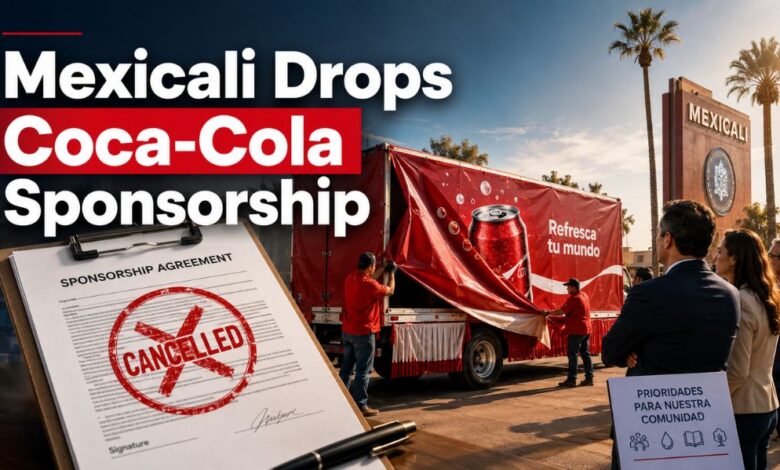
The phrase mexicali drops coca-cola sponsorship has attracted attention because it reflects more than a simple change in event planning. It represents a wider conversation about how cities, brands, public celebrations, and health policies interact in modern society. For many people, Coca-Cola has long been connected with festive events, family gatherings, bright parades, and emotional advertising. However, when a city like Mexicali moves away from a Coca-Cola-linked sponsorship or promotional event, the decision naturally raises questions about public responsibility, children’s health, marketing ethics, and the role of global brands in local culture. This topic is important because it sits at the center of a growing debate: should public spaces and community events be used to promote products that are increasingly questioned by health experts, or should cities create celebrations that feel inclusive, festive, and less tied to commercial influence?
Why Mexicali Drops Coca-Cola Sponsorship Became a Major Talking Point
The reason mexicali drops coca-cola sponsorship became such a strong topic is that Coca-Cola is not just another soft drink brand. It is one of the most recognizable names in the world, and its advertising has shaped holiday culture in many countries for decades. When a local government or public authority chooses to step back from this kind of sponsorship, it sends a message that community events are no longer judged only by entertainment value. They are also judged by their social impact. In Mexicali’s case, the discussion has been connected to concerns about sugary drinks, child-focused advertising, public health, and whether festive events should promote products that many health advocates associate with obesity, diabetes, and poor nutrition habits. This does not mean that everyone views the decision the same way, but it does show that public opinion is shifting, especially when children and families are the primary audience.
A Decision Linked to Health Awareness
One of the biggest reasons behind the debate is public health awareness. In many countries, sugary drinks are now discussed not only as consumer products but also as part of a broader health challenge. Soft drinks are often high in sugar, and frequent consumption can contribute to long-term health problems when combined with a poor diet and limited physical activity. Because of this, health campaigns increasingly encourage families to reduce sugar intake and choose water, natural drinks, or healthier alternatives. When a city supports or hosts a highly visible Coca-Cola-branded event, critics may see it as a mixed message: on the one hand, authorities encourage healthier habits, while on the other, a major sugary-drink brand gains emotional visibility through public celebration. The decision linked to Mexicali therefore fits into a wider movement where local governments are being asked to align public events with health-focused values.
The Role of Children in the Sponsorship Debate
Children are at the heart of the mexicali drops coca-cola sponsorship conversation because festive parades, holiday caravans, lights, music, mascots, and colorful characters naturally appeal to younger audiences. This is where the issue becomes sensitive. A child may not understand the difference between a community celebration and a marketing campaign. When branding is wrapped inside holiday excitement, the brand becomes associated with joy, family, gifts, and celebration. Critics argue that this creates emotional loyalty before children are old enough to make informed choices about nutrition or advertising. Supporters of stricter rules believe that public authorities should be careful when allowing brands linked to high-sugar products to dominate family events. This concern is not only about one company; it is about how marketing works when it targets feelings instead of facts.
Branding, Tradition, and Public Pressure
For many families, Coca-Cola-sponsored holiday events feel familiar and nostalgic. The red trucks, lights, festive music, and seasonal imagery can create a strong emotional connection. That is why decisions like this can divide public opinion. Some residents may feel disappointed because they see the event as a harmless tradition that brings people together. Others may welcome the change because they believe traditions can evolve without relying on a soft-drink sponsor. This tension between branding and tradition is important. A city can celebrate holidays, organize parades, and create public joy without making a commercial product the center of attention. The Mexicali case shows that communities are beginning to ask whether beloved events should remain brand-led or become more locally driven, culturally balanced, and health-conscious.
What This Means for Coca-Cola and Other Big Brands
The mexicali drops coca-cola sponsorship discussion also matters for large companies. Global brands have long used public events to build trust, visibility, and emotional connection. Sponsorship is not only about placing a logo on a banner; it is about becoming part of people’s memories. When a city withdraws from this kind of partnership, it shows that brands can no longer rely only on popularity. They must also consider social responsibility, public health concerns, and how their campaigns are perceived by modern audiences. Coca-Cola remains a powerful company with deep cultural influence, but even major brands face pressure to adapt. In the future, companies may need to create sponsorship models that prioritize transparency, healthier options, and community support, while being less aggressive in promoting to children.
Why Local Governments Are Rethinking Sponsorships
Local governments often accept sponsorships because they help fund events, reduce public costs, and bring entertainment to residents. However, the choice of sponsor matters. A city must ask whether the sponsor fits its values, policies, and long-term goals. If a sponsor’s product is linked to health concerns, environmental concerns, or public criticism, the partnership can become controversial. This is why responsible sponsorship is now becoming a serious issue for municipalities. The Mexicali example highlights a practical question: should public celebrations depend on corporate funding if that funding creates ethical concerns? There is no easy answer, because sponsorship money can support events that many families enjoy. Still, cities are increasingly expected to think beyond short-term celebration and consider long-term public trust.
Community Events Without Heavy Commercial Influence
One positive aspect of this debate is that it encourages cities to envision better public events. A holiday parade does not need to disappear simply because one sponsor is removed. Instead, it can be redesigned with local artists, schools, small businesses, cultural groups, musicians, food vendors, and public health messages. This can make the event feel more authentic and more connected to local identity. Mexicali has its own culture, energy, border-city character, and community pride. A celebration built around those values may become even stronger than a brand-led event. The phrase “mexicali drops coca-cola sponsorship” should therefore not only be read as a cancellation story. It can also be seen as an opportunity to create healthier, more independent, and more community-centered traditions.
Public Health vs. Personal Choice
Some people may argue that dropping a sponsorship goes too far because individuals should be free to choose what they drink. This is a fair point in any open society. Personal choice matters, and adults can decide what products they want to buy. However, the public health argument is not simply about banning choice. It is about deciding what should be promoted through official or semi-official public platforms, especially when children are involved. There is a difference between allowing a product to be sold and giving that product emotional power through a public celebration. The Mexicali case brings this difference into focus. People may still choose Coca-Cola, but the city may decide that its community events should not actively promote sugary drinks through festive branding.
The Bigger Message Behind the Decision
The bigger message behind mexicali drops coca-cola sponsorship is that public institutions are becoming more cautious about the companies they associate with. This trend is not limited to soft drinks. Around the world, sponsorships connected to alcohol, gambling, fast food, fossil fuels, and other controversial industries are being questioned. The main issue is not whether brands have a right to advertise. The issue is whether public spaces should help normalize products that may conflict with public welfare goals. Mexicali’s decision fits into this broader shift. It suggests that local governments may increasingly choose partnerships that support health, education, culture, sustainability, and community wellbeing rather than relying on the biggest or most familiar corporate name.
Economic and Social Impact of Dropping a Major Sponsor
Removing a major sponsor can create challenges. Corporate sponsorship often helps cover event costs, logistics, promotion, lighting, security, and entertainment. Without that support, local authorities may need to find new funding sources or redesign the event on a smaller scale. However, the social value of independence can also be important. A community event that is less commercial may build stronger public trust. It may also create space for smaller local sponsors who more directly reflect the community. This can benefit local businesses and reduce dependence on one global brand. The decision may require planning and creativity, but it can also push a city toward more balanced and locally meaningful celebrations.
How Residents May View the Change
Residents are likely to respond in different ways. Some may feel proud that Mexicali is taking a health-conscious stand. Others may feel that a familiar holiday tradition has been unnecessarily politicized. Some may not care about the sponsor at all and simply want a joyful event for families. These mixed reactions are normal because public traditions often carry emotional value. The important thing is how leaders communicate the decision. If residents understand that the goal is not to remove joy but to protect public interest, the change may be easier to accept. A clear explanation can help people see that festive lights, music, parades, and family fun can continue without making a sugary drink brand the main symbol of celebration.
Conclusion
The story of mexicali drops coca-cola sponsorship is not only about one city and one company. It is about a changing relationship between public health, advertising, tradition, and community values. Mexicali’s move shows that cities are now expected to think carefully about the brands they allow into public celebrations, especially when children are part of the audience. While some people may miss the familiar Coca-Cola-linked holiday imagery, others may see this as a step toward healthier, less commercial, and more community-focused events. The most important lesson is that public celebrations can still be joyful without depending on heavy corporate branding. In fact, they may become more meaningful when they reflect local culture, public wellbeing, and the real needs of families.
(FAQs)
What does mexicali drops coca-cola sponsorship mean?
Mexicali drops its Coca-Cola sponsorship, moving away from a Coca-Cola-linked promotional or sponsorship-style event and sparking public discussion about health, advertising, and community celebrations.
Why is this decision important?
This decision is important because it links public events to health responsibility, especially when children and families are the primary audience. It shows that cities are thinking more carefully about brand partnerships.
Is this only about Coca-Cola?
No. While Coca-Cola is the brand at issue, the broader question is how public spaces, sponsorships, and advertising should operate when products are linked to health concerns.
Does this mean people cannot buy Coca-Cola in Mexicali?
No. The discussion is about public sponsorship and promotional events, not about stopping individual consumers from buying the product.
Can Mexicali still hold holiday events without Coca-Cola?
Yes. Mexicali can still organize festive events with local sponsors, cultural groups, artists, schools, small businesses, and community organizations without relying on one major beverage brand.
Why are children mentioned in this debate?
Children are mentioned because holiday parades and colorful brand campaigns often appeal strongly to young audiences. Critics argue that children should be protected from advertising that builds emotional attachment to sugary drinks.
What is the main lesson from this issue?
The main lesson is that public celebrations can remain joyful while becoming more health-conscious, locally focused, and less dependent on commercial branding.