Melanie Leis: The Private Life, Career Background, and Relationship Timeline with Kelly McGillis

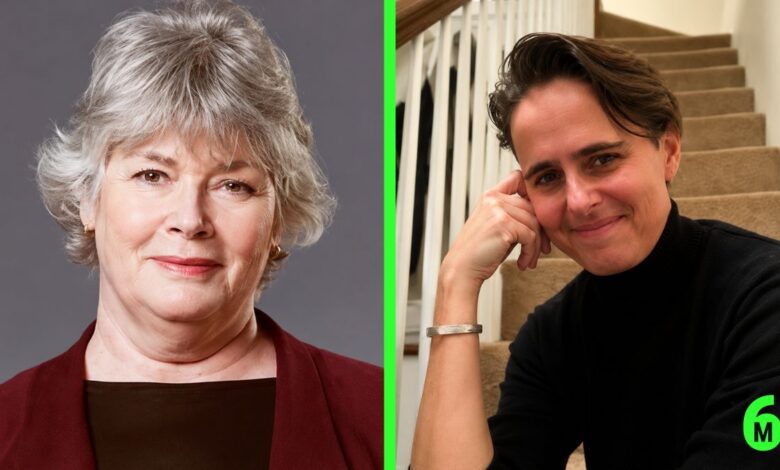
Melanie Leis is publicly recognized for her former relationship with American actress Kelly McGillis, known for her roles in Top Gun, Witness, and The Accused. Unlike McGillis, Leis has not pursued a public career. Her name became more widely known in 2010 when she and McGillis entered a civil union in New Jersey, following McGillis’ public coming out. Despite media interest, Leis has remained a private figure. The main point: her profile is defined by privacy, confirmed facts on her professional background, her relationship timeline with McGillis, and the importance of respecting her privacy as someone outside celebrity culture.
Quick Bio
| Detail | Information |
|---|---|
| Full Name | Melanie Leis |
| Known For | Former civil union partner of actress Kelly McGillis |
| Relationship | Entered a civil union with Kelly McGillis in September 2010 |
| Public Profile | Private person, not a film or television celebrity |
| Age | Reported as 42 at the time of the 2010 civil union |
| Residence | Public reports linked the couple to Collingswood, New Jersey |
| Children | No publicly verified children with Kelly McGillis |
| Profession | Reported as a sales executive; previously worked as a bartender |
| Known Philanthropic Interests | No independently confirmed personal philanthropic profile in major public sources |
| Social Media Presence | No verified public-facing celebrity social media profile widely cited by reliable sources |
Who Is Melanie Leis?
Melanie Leis is a private American professional whose name became known through her relationship with Kelly McGillis. Public reports describe Leis as a sales executive and note that she previously worked as a bartender. Melanie Leis is a private American professional known mainly for her relationship with Kelly McGillis. Public reports describe Leis as a sales executive and former bartender in Key West, Florida, where she met McGillis in 2000. Their relationship became more visible after McGillis came out in 2009, and the couple entered a civil union in 2010. Leis never sought celebrity status. Her public identity relies on a few verified details, not assumptions about her personal life. She is connected to a famous person, but did not build a public brand herself. Many online profiles of people connected to famous actors often stretch small details into full biographies, but Leis’ public record does not support that approach. What is confirmed is limited but meaningful: she was in a long-term relationship with Kelly McGillis, she entered a civil union with her in New Jersey, and she had a professional background outside Hollywood. This privacy also explains why there are fewer interviews, public statements, or career archives attached to her name. Instead of treating that silence as a gap to fill with guesses, a responsible article should treat it as part of the story. Leis appears to have lived outside the entertainment industry’s publicity system, which makes her different from celebrity spouses who actively use fame for media, branding, or business visibility.
Early Life and Background of Melanie Leis
Public information about Melanie Leis’ early life is limited. Reliable reports focus mostly on her adult professional life and her relationship with Kelly McGillis. In 2010 coverage, Leis was identified as a sales ePublic information about Melanie Leis’ early life is limited. Reliable reports focus on her professional life and relationship with McGillis. In 2010, Leis was identified as a sales executive, and previously worked as a bartender at a Key West restaurant owned by McGillis and Fred Tillman. CBS News described her as an executive at Independence Communications, which provided Muzak to businesses.unded in hospitality and sales work. That makes the public interest around her highly relationship-driven rather than career-driven. For readers searching for “Melanie Leis,” the most useful answer is not an exaggerated life story, but a careful explanation of why her name appears in connection with Kelly McGillis.
Marriage and Partnership with Kelly McGillis
Melanie Leis and Kelly McGillis reportedly met in 2000 in Key West, Florida. Leis was working as a bartender at a restaurant McGillis co-owned with her second husband, Fred Tillman. Their relationship later became public, and on September 15, 2010, Leis and McGillis entered a civil union in Collingswood, New Jersey. Windy City Times reported that the ceremony took place in Collingswood and identified Leis as a 42-year-old sales executive at the time.
The timing of the civil union carried public significance because McGillis had come out publicly in 2009. For fans who knew McGillis mainly from major 1980s films, the relationship became part of a broader public reThe civil union was notable because McGillis had come out in 2009. For McGillis’ fans, this marked a shift in her personal life. For Leis, the event did not increase her public profile—she stayed outside entertainment coverage. The relationship was visible due to McGillis’ fame, not Leis’ pursuit of publicity.s, or acted as a public representative. Her known role was personal rather than professional: she was McGillis’ longtime partner and civil union spouse. That distinction is important for accuracy.
Still, her presence in McGillis’ life came during a period when the actress was living far from the Hollywood spotlight. Around that era, public reports described McGillis as working, living more quietly, and being open about her sexuality after years of privacy. In that context, Leis’ public significance lies in her connection to a more personal chapter of McGillis’ life. She was part of the actress’s post-Hollywood public narrative, but not a celebrity figure in her own right.
Family Life: Raising the Next GeneKelly McGillisration
There is no reliable public record showing that Melanie Leis and Kelly McGillis had children together. McGillis had two daughters from her marriage to Fred Tillman, and several reports about the 2010 civil union mention McGillis’ children in that context. TV Guide reported that McGillis had two children with Tillman, while CBS News also noted that she had two daughters.
Because Leis is a private person, it would be irresponsible to invent details about her family role, parenting style, or relationship with McGillis’ children. A safer reading is that the public record shows a household associated with McGillis’ family life, but does not provide sufficient verified detail to describe Leis as a public parental figure. This is where responsible biography matters: not every family connection should be turned into searchable content.
Philanthropy and Community Engagement
There is no strong public record identifying Melanie Leis with a specific charity, foundation, or public philanthropic campaign. That does not mean she has not supported causes privately; it only means such activity is not confirmed in reliable public sources. For an E-E-A-T biography, that difference matters.
The broader public context around Kelly McGillis includes work connected to recovery and community service. Public biographical summaries have noted that McGillis worked with people dealing with drug and alcohol addiction while living in New Jersey. However, that should not be transferred to Leis as if it were her personal record. The correct approach is to separate what is known about McGillis from what is known about Melanie Leis. Leis’ confirmed public identity remains centered on her professional background and her former relationship with McGillis.
The Power of Privacy: Influence Without Publicity
Melanie Leis’ story shows how privacy can shape a public profile. In celebrity culture, people connected to famous names are often pushed into the spotlight even when they have not chosen it. Leis’ limited public footprint suggests a different path: being known through one major relationship event, then returning to a quieter life.
Leis’ privacy sets a strong boundary for understanding her story. While some readers want more personal information, her lack of interviews and public appearances is purposeful. Her profile is grounded and not driven by fame. The sharpened main point: the most accurate biography of Leis focuses on privacy rather than speculation or a dramatic life story.
Public Curiosity and Misconceptions About Melanie Leis
Most public interest in Melanie Leis stems from Kelly McGillis fans, especially those researching McGillis’ life after Top Gun. A common misconception is that Leis is a celebrity in the same way McGillis is. She is Most public interest in Leis comes from McGillis fans. A common misconception is that Leis is a celebrity like McGillis; she is not. Reports identify her by her relationship, not by her media career.he 2000 meeting, the 2010 civil union, and Leis’ professional description as a sales executive. Claims beyond that should be handled carefully unless supported by reputable reporting.
Legacy and Future
Melanie Leis’ public legacy is modest but still meaningful. She is part of a documented chapter in Kelly McGillis’ life, particularly around McGillis’ public coming out and her decision to live more openly. In LGBTQLeis’ public legacy is modest but meaningful. She is part of a chapter in McGillis’ life, especially during McGillis’ coming out. The 2010 civil union preceded nationwide marriage equality, making civil unions important for many couples.elevance is clear: she was Kelly McGillis’ longtime partner, a professional outside Hollywood, and a private person who became part of a public story for a limited period.
Conclusion
Melanie Leis is best understood as a private professional who became publicly known through her former relationship with Kelly McGillis. The verified record shows that she met McGillis in Key West, worked outside the entertainment industry, and entered a civil union with the actress in Collingswood, New Jersey, in September 2010. Beyond those facts, responsible writing must avoid exaggeration. Leis did not become famous through acting, television, or celebrity branding. Her story matters because it reflects the quieter side of public life: the people connected to well-known figures who still choose privacy. For readers searching for her name, the clearest answer is also the most respectful one. Melanie Leis was an important figure in one chapter of Kelly McGillis’ personal life, but she remains, by all reliable public evidence, a private individual.
Read this too:Suri Noelle Net Worth: What Is Publicly Known About Suri Cruise, Tom Cruise, and Her Private Financial Life
(FAQs)
Who is Melanie Leis?
Melanie Leis is a private professional best known as the former civil union partner of actress Kelly McGillis.
Why is Melanie Leis famous?
She is publicly known because of her long-term relationship and 2010 civil union with Kelly McGillis.
Who is Kelly McGillis?
Kelly McGillis is an American actress known for films including Top Gun, Witness, and The Accused.
When did Melanie Leis and Kelly McGillis enter a civil union?
They entered a civil union on September 15, 2010, in Collingswood, New Jersey.
How did Melanie Leis and Kelly McGillis meet?
Reports say they met in 2000, when Leis worked as a bartender at a Key West restaurant owned by McGillis and Fred Tillman.
What was Melanie Leis’ profession?
Public reports described Melanie Leis as a sales executive. Some reports also noted that she previously worked as a bartender.
Did Melanie Leis and Kelly McGillis have children together?
There is no reliable public record showing that Melanie Leis and Kelly McGillis had children together.
Is Melanie Leis active in Hollywood?
No reliable public sources identify Melanie Leis as an actress or Hollywood media professional.