Calamariere: A Powerful Guide to the Flavor, Culture, and Modern Appeal of This Seafood Classic

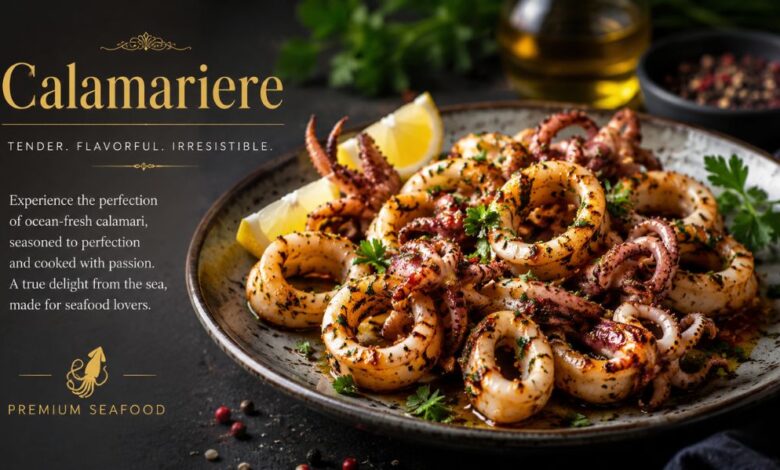
Calamariere is a word that instantly conjures up the world of seafood, coastal kitchens, Mediterranean flavors, and carefully prepared squid dishes. While many people are already familiar with calamari as a popular seafood item, Calamariere can be understood as a broader food concept that celebrates squid-based cooking with more attention to skill, freshness, seasoning, and presentation. It is not just about frying squid rings and serving them with a dip; it is about respecting the ingredient, understanding its texture, and turning it into a dish that feels refined, balanced, and memorable. In modern food culture, people are becoming more curious about dishes that carry a story, and Calamariere fits that interest well because it connects simple seafood with the art of thoughtful preparation.
What Is Calamariere?
Calamariere is best described as a seafood-focused culinary idea built around squid, commonly associated with calamari-style dishes. The term can be used to describe a refined approach to preparing squid, where tenderness, flavor balance, and cooking method matter as much as the ingredient itself. In many kitchens, squid is loved because it can be fried, grilled, stuffed, sautéed, stewed, or served with pasta and rice. The beauty of Calamariere lies in its flexibility. It can be light and fresh with lemon and herbs, rich and comforting with tomato-based sauces, or crispy and golden when fried properly. The main goal is always the same: to keep the squid tender, flavorful, and enjoyable rather than rubbery or bland.
The Seafood Identity Behind Calamariere
The heart of Calamariere is squid, a seafood ingredient known for its mild taste and unique texture. Squid does not have an overpowering fishy flavor, making it suitable for many recipes. It absorbs marinades, spices, oils, and sauces beautifully, giving cooks ample room for creativity. This is one reason calamari-style dishes appear in many food cultures. In Mediterranean-inspired cooking, squid is often paired with olive oil, garlic, parsley, lemon, sea salt, tomatoes, and fresh herbs. In other styles, it may be combined with chili, soy-based sauces, citrus marinades, or crispy coatings. Fresh squid, careful cleaning, and correct timing are the foundation of a successful dish.
Why Calamariere Has Become Interesting to Food Lovers
The growing interest in Calamariere comes from the modern love for food that feels both traditional and premium. Diners today do not only want something tasty; they want to know what makes a dish special. Seafood has always had a strong connection with coastal life, family cooking, restaurant culture, and seasonal freshness. Calamariere carries that same feeling. It sounds elegant, yet the ingredient itself is humble and widely used. This balance makes it appealing to restaurants, food bloggers, home cooks, and seafood lovers who want to describe calamari dishes more expressively. It also works well as a topic for food education because it allows discussion of technique, texture, flavor, culture, and serving style.
The Importance of Freshness
Freshness is one of the most important parts of Calamariere. Squid should smell clean and mild, not strongly fishy. Its flesh should look moist and firm, not dry or slimy. Frozen squid should be thawed properly and patted dry before cooking. Too much moisture can prevent browning and make fried or grilled dishes less appealing. A good Calamariere dish begins before the pan is even heated. Cleaning the squid, removing unwanted parts, slicing it evenly, and drying it carefully all help the final result. Many home cooks struggle with squid because they focus only on seasoning, but preparation is just as important as flavor.
Cooking Technique: The Secret to Tender Calamariere
The biggest challenge in cooking squid is achieving the right texture. Squid can become tough if it is cooked incorrectly. The general rule is that squid should be cooked either very quickly over high heat or slowly for a longer time in a stew or sauce. Anything in the middle can make it chewy. For crispy Calamari, the squid pieces are usually lightly coated and fried quickly until golden. For grilled versions, the squid is often marinated and cooked quickly over strong heat. For stewed dishes, simmer until tender with tomatoes, garlic, herbs, and spices. Understanding this timing is what separates an average squid dish from a truly satisfying Calamariere experience.
Popular Styles of Calamariere
There are many ways to enjoy Calamariere, and each style gives the ingredient a different personality. Fried calamari-style Calamariere is crisp, light, and often served as an appetizer. Grilled Calamariere feels smoky, fresh, and perfect with lemon, olive oil, and herbs. Stuffed squid versions are more filling and may include breadcrumbs, rice, herbs, seafood, or vegetables. Stewed Calamariere is rich and comforting, especially when cooked with tomato sauce, onions, garlic, and spices. Pasta-based versions are also popular because squid pairs well with simple sauces that do not hide its delicate flavor. Each version proves that squid can be casual, elegant, rustic, or restaurant-worthy depending on how it is prepared.
Flavor Pairings That Work Best
The best Calamariere dishes use flavors that enhance the squid rather than cover it. Garlic, lemon, parsley, black pepper, sea salt, olive oil, chili flakes, paprika, basil, oregano, and tomatoes are some of the most reliable choices. Citrus is especially useful because it brightens the taste and cuts through richness. Herbs add freshness, while garlic gives warmth and depth. For a modern twist, some cooks use spicy aioli, yogurt-based dips, herb butter, roasted pepper sauce, or light vinaigrettes. The key is balance. Since squid has a mild flavor, strong sauces should be used with care. A successful dish feels clean, flavorful, and complete without becoming heavy.
Calamariere in Restaurant Culture
In restaurants, Calamariere can be presented as a premium seafood starter, a main course, or part of a larger seafood platter. Its popularity comes from the fact that it feels familiar but can still be elevated. A simple plate of fried squid can become more impressive with a thoughtful coating, fresh garnish, house-made dip, and clean presentation. Grilled squid can be served with roasted vegetables, herb oil, or a fresh salad. In fine dining, chefs may use squid ink, delicate sauces, or creative plating to give the dish a more artistic identity. For restaurants, Calamariere offers both comfort and sophistication, which is a valuable combination.
How to Make Calamariere at Home
Home cooks can prepare Calamariere successfully by following a few careful steps. First, choose good-quality squid, whether fresh or frozen. Clean it properly and slice it evenly. If frying, dry the pieces well, season the coating, and avoid overcrowding the pan. If grilling, use a short marinade with olive oil, lemon, garlic, and herbs, then cook quickly over high heat. If making a stew, allow enough time for the squid to become tender. Always taste for seasoning before serving. A final squeeze of lemon, a sprinkle of herbs, or a light drizzle of olive oil can make the dish feel brighter and more complete.
Common Mistakes to Avoid
One common mistake in making Calamariere is overcooking the squid. This can turn a delicate seafood dish into something tough and unpleasant. Another mistake is using too much batter or coating, which can hide the seafood rather than enhance it. Some cooks also forget to dry the squid before frying, which can make the coating soggy. Heavy sauces can also overpower the dish. The best approach is simple: respect the ingredient, cook with confidence, and avoid unnecessary complications. Good seasoning, correct heat, and proper timing are more important than adding too many ingredients.
Nutritional Value and Eating Balance
Calamariere can be part of a balanced diet when prepared thoughtfully. Squid is a source of protein and can be lighter than many meat-based dishes, especially when grilled or stewed instead of deep-fried. However, fried versions are richer and should be enjoyed in moderation, especially when served with creamy dips or salty sides. A healthier plate can include grilled squid, fresh salad, roasted vegetables, lemon dressing, or whole grains. The preparation method makes a big difference. This is why Calamariere is not limited to indulgent restaurant food; it can also be adapted for lighter home meals.
Cultural Appeal of Calamariere
The cultural appeal of Calamariere comes from its strong connection to coastal dining traditions. Seafood dishes often carry memories of seaside towns, family meals, open-air restaurants, and fresh market ingredients. Squid has been prepared in many coastal regions for generations because it is versatile, available, and flavorful when handled well. Calamariere captures that feeling of tradition while also sounding modern enough for today’s food language. It represents more than a recipe; it represents a way of cooking that values simplicity, freshness, and respect for the sea.
Why Calamariere Works Well as a Food Topic
As a food topic, Calamariere is useful because it gives readers both practical and cultural information. People searching for it may want to know what it means, how it tastes, how it is cooked, and why it is becoming interesting online. A strong article about Calamariere should therefore explain the ingredient, the methods, the flavor profile, and the dining experience. It should not be limited to one recipe. Instead, it should help readers understand the full idea behind the term. That is what makes the topic informative, searchable, and valuable for food-focused websites.
Conclusion
Calamariere is a rich and appealing seafood concept that brings together squid, cooking skill, coastal flavor, and modern culinary curiosity. Whether served crispy, grilled, stuffed, stewed, or paired with pasta, it depends on freshness, timing, and balanced seasoning. Its charm comes from the way a simple ingredient can become elegant when treated with care. For seafood lovers, Calamariere offers both comfort and sophistication. For home cooks, it is a reminder that great seafood does not need to be complicated. With clean preparation, proper heat, and thoughtful flavors, Calamariere can become a dish that feels fresh, memorable, and full of character.
(FAQs)
What does Calamariere mean?
Calamariere can be understood as a modern seafood term connected with calamari-style squid dishes and refined squid preparation. It focuses on freshness, cooking technique, flavor balance, and presentation.
Is Calamariere the same as calamari?
Calamariere is closely related to calamari, but it can be used more broadly to describe a complete style or approach to preparing squid dishes, while calamari usually refers directly to cooked squid.
What does Calamariere taste like?
Calamariere usually has a mild seafood flavor with a tender texture. Its final taste depends on the cooking style, seasoning, and sauce used. Lemon, garlic, herbs, and olive oil are common flavor partners.
Why does squid become rubbery?
Squid often becomes rubbery when it is overcooked or cooked for too long. It should usually be cooked very quickly over high heat or slowly in a stew until tender.
What is the best way to serve Calamariere?
Calamariere can be served with lemon wedges, fresh herbs, light salad, roasted vegetables, pasta, rice, or a simple dipping sauce. The best serving style depends on whether it is fried, grilled, stuffed, or stewed.
Is Calamariere healthy?
Calamariere can be a balanced seafood dish, especially when grilled, sautéed, or stewed. Fried versions are richer, so they are best enjoyed in moderation with lighter sides.
Can calamari be made at home?
Yes, Calamariere can be made at home with good-quality squid, proper cleaning, careful drying, balanced seasoning, and correct cooking time. The most important step is avoiding overcooking.
What ingredients go well with Calamariere?
Garlic, lemon, parsley, olive oil, chili flakes, tomatoes, basil, oregano, black pepper, and sea salt work very well with Calamariere because they enhance the squid without overpowering it.