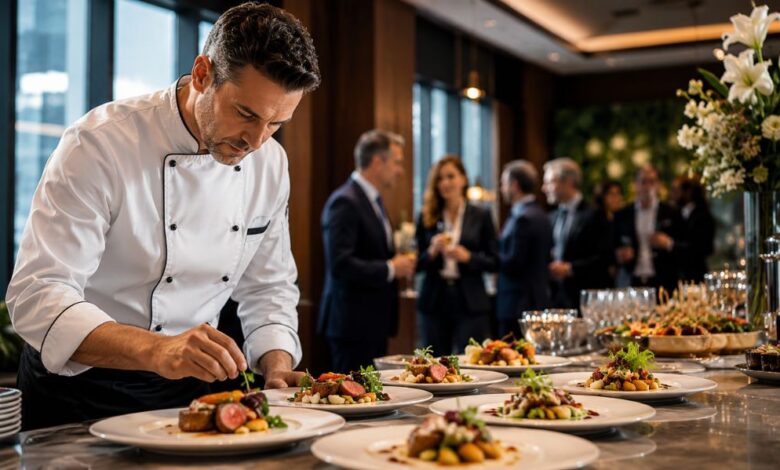
Corporate chef catering does not describe a single, fixed dining format. It encompasses a range of service styles, each suited to a different type of corporate occasion, guest dynamic, and organizational objective. Knowing the differences between these formats and understanding what each one is actually designed to accomplish is among the most practically useful pieces of knowledge an event organizer can develop before planning a corporate dining experience around a private chef.
The format of a corporate chef catering event shapes the social texture of the gathering as much as the food itself does. A plated multi-course dinner creates a fundamentally different kind of interaction among guests than a reception format with passed canapés and shared stations. Neither is inherently superior, but each serves specific purposes more effectively than the other, and the organizer who understands these differences is far better positioned to choose a format that genuinely advances the goals of the event rather than simply producing food.
Plated Multi-Course Dinners
The plated multi-course dinner is the most formal format within corporate chef catering and the one that most closely replicates a fine dining restaurant experience in a private context. Guests are seated at a configured dining table or tables, and the chef produces a succession of individual courses, typically between three and five, that arrive at the table sequentially throughout the evening. Each course is plated individually for each guest in the kitchen and brought to the table by service staff, arriving simultaneously or nearly so across the seated group.
This format works best when the primary purpose of the gathering is a relationship-oriented conversation in a focused, relatively intimate setting. Executive dinners with client principals, working dinners at leadership off-sites, team recognition events where the dining experience is meant to feel genuinely special, and business meals where the seriousness and care communicated by the setting matter to the outcome are all well served by the plated multi-course structure. The formality of the format signals investment and intentionality in a way that more casual service styles do not.
The format does demand certain things from the organizer and the space. Seated dining requires adequate table and chair configuration for the full guest count, a service flow that allows wait staff to move comfortably between kitchen and dining area, and a group that is prepared to commit to an extended, seated dining experience rather than a more mobile or fluid gathering. For events where guests need to move freely, mingle broadly, or continue active conversations with different people throughout the evening, a reception or station format is a better fit.
Reception and Passed Canapé Service
Reception-style corporate chef catering, built around passed canapés and small plates served by staff circulating through the event space, is the format best suited to events whose primary purpose is networking, broad social interaction, or the creation of a relaxed, celebratory atmosphere across a larger group. The food in this format is designed to be eaten while standing or moving, consumed in one or two bites, and varied enough that guests encounter a progression of flavors throughout the reception period without sitting down to a structured meal.
A skilled corporate chef designing a canapé menu for a corporate reception treats each piece as a finished, complete culinary expression rather than simply a small version of a larger dish. The composition of each canapé, its balance of flavors and textures, its visual presentation, and its structural integrity as something that can be picked up, consumed in a single motion, and enjoyed without spilling or difficulty, all require genuine culinary thought.
The cumulative experience of a well-designed canapé menu over the course of a corporate reception communicates the same level of care and quality as a seated dinner, in a format that allows a much larger number of guests to move through the event with social freedom.
This format is particularly appropriate for product launches, client appreciation events, new office celebrations, end-of-year gatherings with large guest counts, and any occasion where the guest list spans multiple relationship types, from senior leadership to broader teams or external stakeholders, where a single seated configuration would feel either too formal or logistically unworkable.
Interactive Stations and Live Cooking
Interactive station formats, in which the corporate chef or a team of chefs prepares or assembles dishes in view of guests at dedicated cooking stations positioned around the event space, represent a third distinct approach within corporate chef catering that is particularly well suited to team-building contexts, creative or innovation-focused gatherings, and events where the culinary experience itself is meant to serve as an interactive element of the event program.
At a corporate event built around live cooking stations, guests can observe the preparation of dishes, ask questions of the chef, make selections that personalize what they receive, and engage with the food in a more participatory way than either a plated dinner or a passed canapé reception typically allows. This format naturally generates conversation among guests who may not know each other well, as the shared experience of watching food being prepared and the informal interactions with the chef create accessible social entry points that a formal seated dinner might not provide as readily.
Interactive station formats can range from a single featured station, a carving station, a sushi or crudo bar, a live pasta station, or a build-your-own component that complements a more traditional service structure, to a comprehensive event built entirely around multiple live cooking experiences positioned throughout the venue. The organizational complexity scales accordingly, and events built primarily around live stations typically require more planning regarding the physical layout of the space and the equipment needs of the cooking operations than other formats.
Practical Planning Considerations for Corporate Chef Catering
Regardless of the service format chosen, certain practical planning considerations apply consistently across corporate chef catering engagements. Understanding these in advance allows the organizer to have more productive initial conversations with the chef and to anticipate the logistical requirements of the event accurately.
The kitchen facilities available at the chosen venue are one of the most important variables in any corporate chef catering plan. An experienced corporate chef is accustomed to working in environments ranging from well-equipped private home kitchens to minimally provisioned office kitchenettes, and most bring a significant amount of their own equipment to supplement what a venue provides.
That said, certain baseline requirements are consistent. Access to a working stovetop or oven, adequate counter space for food preparation, refrigeration capacity for ingredient storage on the day of the event, and a water source for both cooking and cleaning are the minimum functional prerequisites for most corporate chef catering engagements. Communicating the specific kitchen setup at the chosen venue during initial planning allows the chef to identify any equipment they need to bring and to design the menu accordingly.
Dietary Information and How to Collect It
The management of dietary requirements across a corporate guest list is an area where early, thorough communication between the organizer and the chef pays significant dividends in the quality of the final event. The most effective approach is to collect dietary information from all attendees as part of the event registration or invitation process and pass that information to the chef at or shortly after the initial menu consultation.
Dietary considerations that commonly arise in corporate settings include vegetarian and vegan preferences, gluten or wheat intolerance, nut allergies, shellfish or seafood allergies, dairy intolerance, halal or kosher requirements, and low-sodium or diabetic dietary needs. For most of these, a chef who knows about them in advance can design the menu so that accommodation is built into the structure of the event rather than added on as a modification to a standard dish.
The practical result is that guests with specific requirements receive something genuinely crafted for them rather than a workaround, which reflects well on the organization hosting the event and removes the social awkwardness that often accompanies dietary accommodation at conventionally catered events.
Timing, Pacing, and Working Around the Corporate Schedule
One of the dimensions of corporate chef catering that distinguishes it most clearly from restaurant dining is the flexibility available around timing and pacing. A corporate event typically has a structure beyond the meal itself. There may be a presentation before dinner, a speaker during the meal, a discussion that runs longer than anticipated, or a hard end time determined by attendees’ schedules. Working around these variables within a restaurant setting requires negotiation with the restaurant’s own operational timeline and frequently produces friction. Within a corporate chef catering context, the kitchen works around the event’s schedule rather than the reverse.
This means that if a pre-dinner conversation extends past the intended start time, service simply begins later. If the group is ready for the next course sooner than anticipated, the kitchen can respond accordingly. If a speaker is midway through an important point when a course would normally be cleared, clearing waits. The chef’s professional capability is applied not just to the food but to the orchestration of when and how each element of the meal arrives within the overall flow of the event. For corporate occasions where the business dimensions of the gathering are as important as the dining experience, this flexibility is genuinely valuable rather than merely convenient.
What to Communicate Before the Event
The quality of a corporate chef catering event is substantially influenced by the completeness and accuracy of the information the organizer communicates during the planning phase. Guest count and any confirmed dietary requirements should be provided as early as possible and updated if they change in the week before the event. A clear description of the venue and its kitchen facilities helps the chef plan what to bring and how to set up.
The specific start time the organizer is working toward, and whether there are any fixed points in the event schedule around which food service must be structured, allows the chef to design a service plan that fits the reality of the day rather than an idealized version of it.
The clearer and more complete this information is, the more precisely the chef can prepare, and the less uncertainty enters the day of execution. Most experienced corporate chefs ask structured questions during the consultation process to ensure they have what they need, and organizers who have thought through these details in advance find those conversations faster and more productive. The goal of the entire planning process is to remove variables from the day of the event so that the chef can focus entirely on the food and the service when it counts.