Himalayan Treks That Change Your Mind: Langtang Valley Trek, Gokyo Valley Trek & Everest 3 High-Pass Trekking Guide

Introduction – when mountains start calling you louder than city life
Many people think Nepal trekking is only Everest Base Camp, but the truth is something wider and deeper. When you really start searching for real Himalayan feeling, you find routes like Langtang Valley Trek, Gokyo Valley Trek, and the powerful Everest 3 high-pass trekking. These treks are not just walks in mountains; they kind of change how you see travel, effort, and even yourself.
The problem is, most travelers get confused. So many routes, the same Everest region, and the same photos on the internet all look similar, but actually they are not the same at all. One is a quiet valley with Tamang culture, one is a blue lake paradise, and one is full of hardcore high mountain passes.
This guide is like simple talk, no heavy words, just real feeling and real info about these three treks so you can understand what fits you better.
Langtang Valley Trek – close, peaceful, and deeply local
The Langtang Valley Trek is often called “the closest Himalayan experience from Kathmandu,” but that line does not fully explain it. It is more like you slowly enter a hidden valley where life is simple and mountains feel very close, like you can almost touch them.
What Langtang really feels like
Walking in Langtang is not too extreme. Trails go through forest, small villages, yak pastures, and open valley views. You see the Langtang Lirung peak standing tall, and sometimes clouds move so fast like the whole sky is alive.
People here are mostly from the Tamang community. It has a very warm, simple lifestyle, and you feel culture more than just sightseeing. After the earthquake rebuilding, the region again came back strong, so trekking here also feels like support for local life.
Why choose the Langtang Valley Trek?
- Not too crowded like Everest
- Shorter duration but full mountain feel
- Good for beginner and intermediate trekkers
- Real cultural interaction, not fake tourism feeling
Langtang Valley Trek is not about luxury or high drama. It’s more about peace, nature, and slow walking days where your mind also becomes quiet without forcing it.
Gokyo Valley Trek—blue lakes and unreal mountain reflections
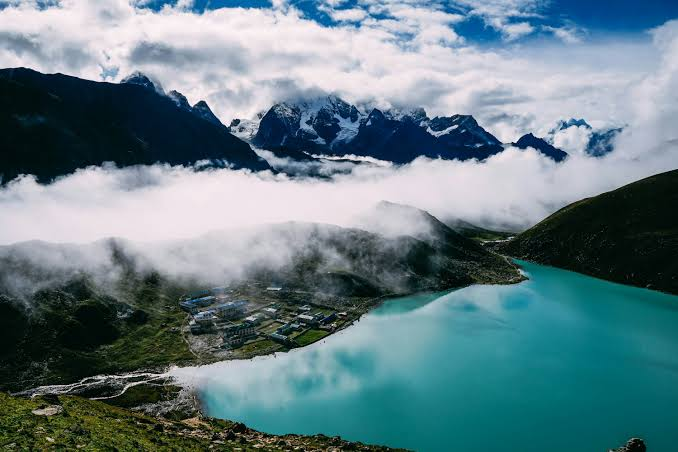
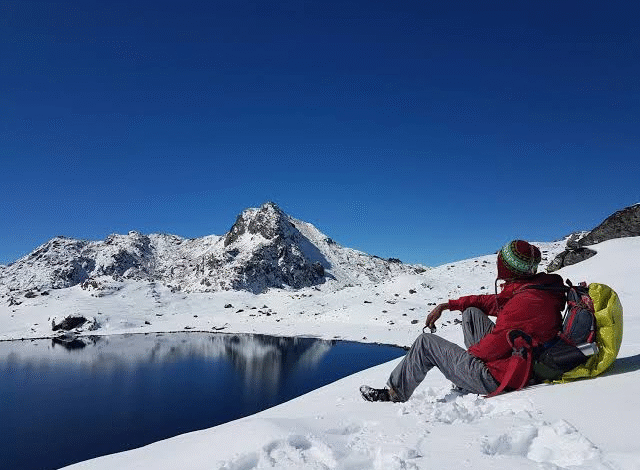
Now when we talk about Gokyo Valley Trek, everything changes color. This trek is not just walking; it feels like entering a different world where water turns turquoise blue and mountains reflect inside like mirrors.
The magic of Gokyo Lakes
The Gokyo region has a series of lakes sitting at high altitude. These lakes look unreal honestly. You walk beside them, and Everest, Cho Oyu, and other giants appear in reflection.
The Gokyo Ri viewpoint is also one of the best in the whole Everest region. From there you see Everest, Lhotse, and Makalu all together. Not many places in the world give this kind of wide Himalayan view.
What makes Gokyo Valley Trek special
Gokyo is quieter than the Everest Base Camp route. You are still in the Khumbu region but with less traffic on trails. Lodges are simple, food is the same as dal bhat, and the atmosphere is peaceful.
- Less crowded trekking path
- Stunning glacier and lake scenery
- Gokyo Ri viewpoint for sunrise
- More calm experience than classic Everest trail
Some people say the Gokyo Valley Trek is even more beautiful than Everest Base Camp—maybe true, maybe not—but it definitely feels more open and wide.
Everest 3 High-Pass Trekking – the real adventure level
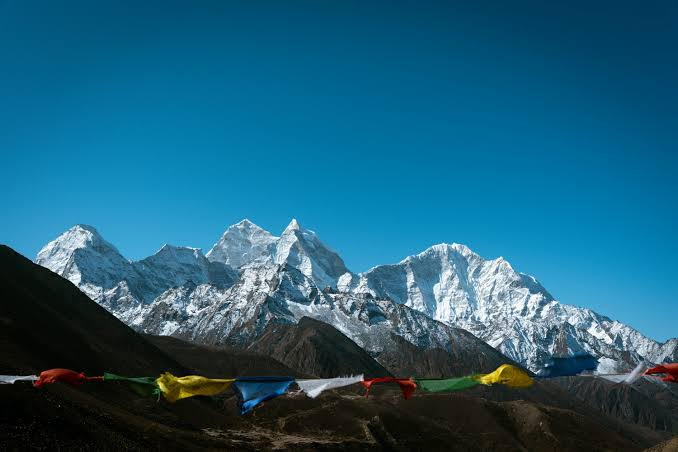
Now this one is not a casual walk. Everest three high-pass trekking is for those who want a full Himalayan challenge. It connects three major passes: Kongma La, Cho La, and Renjo La. And trust me, this is not an easy path; weather, altitude, and long climbs all test your patience.
What you actually do in this trek
You basically circle the Everest region in a very big loop. You cross high passes over 5000 meters, walk near glaciers, and visit Everest Base Camp, Gokyo Lakes, and Namche Bazaar all in one route.
Every day feels different. One day you are climbing a rocky pass, the next day walking near an icy lake, and the next day resting in a village.
Why Everest 3 high-pass trekking is hardcore
- Long trekking days, physically demanding
- High-altitude passes need good stamina.
- Weather can change very fast.
- Requires good trekking experience
But the reward is massive. You don’t just see Everest; you experience the full Everest region from all sides. It is like a complete story instead of a single chapter.
Comparing Langtang Valley Trek, Gokyo Valley Trek and Everest 3 High Pass Trekking
If someone asks which one is best, the answer is not simple.
- Langtang Valley Trek is easy to moderate and more cultural
- Gokyo Valley Trek is scenic, peaceful and lake-beauty focused
- Everest 3 high-pass trekking is extreme and full adventure challenge
Each one has their own personality. Like Langtang is a soft-spoken friend, Gokyo is a calm artist, and Everest high passes are strong wild explorers.
So the choice depends on your fitness, time, and what kind of feeling you want from the Himalayas.
Best time to do these treks
Simple truth: weather in the Nepal mountains matters a lot.
Spring season (March to May) is good for flowers, clear views, and stable weather.
The autumn season (September to November) is the best overall, with a clear sky and the best mountain visibility.
Winter is possible, but the cold is strong, especially for Everest 3 high-pass trekking. Monsoon is not recommended due to rain and landslide chances.
Food and accommodation on the trail
All three routes have a teahouse system. That means simple rooms, a basic bed, and shared dining.
Food is similar everywhere: dal bhat, noodles, soups, potatoes. At higher altitude, the menu becomes limited but still enough to survive and stay strong.
Don’t expect luxury, but you get warm hospitality. Sometimes a heater, sometimes just a blanket and hot tea.
Local culture and trail experience
One thing common in all these treks is hospitality. Tea houses are simple but warm. You sit inside the dining hall, drink tea, and talk with other trekkers from different countries. Sometimes there are power cuts, sometimes slow internet, but still, everything feels alive.
In the Langtang Valley Trek, you see Tamang culture closely.
In the Gokyo Valley Trek, you meet the Sherpa lifestyle more deeply.
In Everest 3 high-pass trekking you pass through both worlds plus extreme mountain environments.
This cultural mix is what makes Nepal trekking different from other countries.
Preparation tips before going
One important thing is fitness. Even if Langtang were easier, walking long hours daily is normal.
Train your legs, do walking practice, and maybe some cardio before going.
Also, mental preparation is a big thing. Weather can change plans, delays happen, and comfort is not like city life.
For Everest 3 high-pass trekking, a guide is highly recommended because the route is complex and the altitude risk is real.
Final thoughts—not just trekking, more like a personal reset.
These three treks are not only travel routes. They kind of reset your mind in different ways. The Langtang Valley Trek gives peace, the Gokyo Valley Trek gives beauty shock, and the Everest 3 High Pass Trek gives challenge and pride.
If you are asking which one to choose, the answer is simple: choose based on your energy, not only photos. Because in mountains, your legs walk the path, but your mind decides the experience.
FAQs
1. Is Langtang Valley Trek difficult?
Not very difficult. It is a moderate trek, good for beginners with basic fitness, but it still involves long walking days.
2. How long does the Gokyo Valley Trek take?
Normally around 10 to 14 days depending on the route and side trips like the Gokyo Ri climb.
3. Is Everest 3 high-pass trekking safe?
Yes, it is safe with a guide and proper planning, but it is physically demanding, and altitude is a serious factor.
4. Can beginners do Gokyo Valley Trek?
Yes, but it’s better if you have some hiking experience because the altitude goes above 5000 meters.
5. Which trek gives the best mountain views?
All three give amazing views, but Everest 3 high-pass trekking gives the most complete panorama, including the Everest, Makalu, and Cho Oyu ranges.