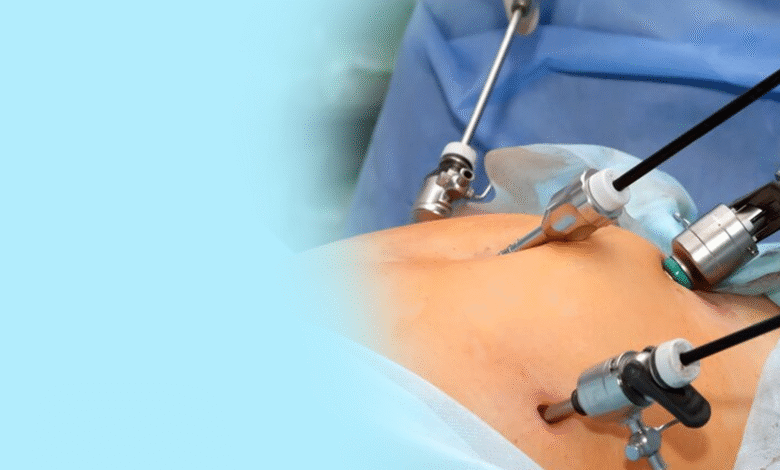
Surgery has evolved significantly over the years, offering patients more treatment options than ever before. Today, many surgical procedures can be performed using either traditional open surgery or minimally invasive laparoscopic techniques. While both approaches aim to treat medical conditions effectively, they differ in how the procedure is performed, recovery time, and potential risks.
Understanding the differences between laparoscopic and open surgery can help patients feel more informed when discussing treatment options with their healthcare providers. The choice between the two methods depends on several factors, including the type of condition, overall health, and the complexity of the procedure.
What Is Open Surgery?
Open surgery is the traditional surgical approach that involves making a larger incision to access the affected area directly. This technique has been used successfully for many decades and remains necessary for certain complex procedures.
The surgeon can view and operate on organs and tissues directly during the operation.
How Open Surgery Is Performed
During open surgery:
- A larger incision is made
- The surgical area is directly exposed
- Specialized instruments are used
- The surgeon operates with direct visualization
The size and location of the incision depend on the type of procedure being performed.
Common Procedures Performed Using Open Surgery
Open surgery may be used for:
- Complex abdominal operations
- Major cancer surgeries
- Emergency procedures
- Certain trauma-related surgeries
- Advanced organ surgeries
In some situations, open surgery remains the safest and most effective treatment option.
What Is Laparoscopic Surgery?
Laparoscopic surgery, commonly referred to as minimally invasive surgery, uses small incisions and specialized instruments to perform procedures inside the body.
A thin instrument called a laparoscope contains a camera that transmits images to a monitor, allowing surgeons to operate without making a large incision.
How Laparoscopic Surgery Works
The procedure generally involves:
- Small surgical incisions
- Camera-guided visualization
- Specialized surgical instruments
- Carbon dioxide gas to create working space
The surgeon performs the operation while viewing magnified images on a screen.
Common Procedures Performed Laparoscopically
Examples include:
- Gallbladder removal
- Hernia repair
- Appendix removal
- Certain gynecological procedures
- Some colorectal surgeries
Many routine surgeries can now be performed using minimally invasive techniques.
Key Differences Between Laparoscopic and Open Surgery
Although both techniques aim to achieve the same treatment goals, there are important differences between them.
Understanding these distinctions can help patients discuss options more effectively with their surgical team.
Incision Size
One of the most noticeable differences is the size of the incision.
Open Surgery:
- Larger incision
- Direct access to surgical area
Laparoscopic Surgery:
- Several small incisions
- Camera-assisted access
Smaller incisions are usually associated with reduced tissue disruption.
Visualization During Surgery
In open surgery, surgeons directly view the surgical area.
In laparoscopic surgery, surgeons rely on high-definition camera systems that provide magnified views of internal structures.
Both approaches offer advantages depending on the procedure and patient needs.
Benefits of Laparoscopic Surgery
Minimally invasive techniques have become increasingly popular because of several potential advantages.
However, suitability depends on the individual patient and the nature of the condition being treated.
Potential Advantages
Benefits may include:
- Smaller incisions
- Reduced postoperative pain
- Shorter hospital stays
- Faster recovery
- Lower risk of wound complications
- Minimal scarring
These advantages contribute to an improved recovery experience.
Faster Return to Daily Activities
Many patients undergoing minimally invasive procedures can resume normal activities sooner compared to those recovering from open surgery.
Patients exploring treatment options in Delhi commonly compare outcomes, recovery time, and overall benefits when considering laparoscopic surgery in Delhi for suitable surgical conditions.
Benefits of Open Surgery
Despite the growing popularity of laparoscopic techniques, open surgery continues to play an important role in modern healthcare.
Certain medical conditions may require direct surgical access for optimal treatment.
Situations Where Open Surgery May Be Preferred
Open surgery may be recommended for:
- Large tumors
- Extensive scar tissue
- Complex anatomy
- Emergency situations
- Advanced disease processes
The decision is based on patient safety and surgical effectiveness.
Greater Surgical Access
Direct visualization can provide surgeons with greater flexibility during complicated procedures and allow for immediate management of unexpected findings.
Recovery Differences Between the Two Approaches
Recovery is one of the most important considerations for patients.
While recovery experiences vary, laparoscopic surgery generally involves a shorter healing period.
Typical Recovery After Laparoscopic Surgery
Patients may experience:
- Less postoperative discomfort
- Earlier mobility
- Shorter hospitalization
- Faster return to work
Recovery timelines vary based on the procedure and individual health status.
Typical Recovery After Open Surgery
Recovery may involve:
- Longer hospital stays
- More postoperative pain
- Extended activity restrictions
- Longer healing times
However, open surgery may still provide the most effective treatment for certain conditions.
Factors That Influence Surgical Choice
The decision between laparoscopic and open surgery is made after careful evaluation by the surgical team.
No single approach is appropriate for every patient or condition.
Factors Doctors Consider
These may include:
- Type of medical condition
- Severity of disease
- Patient’s overall health
- Previous surgeries
- Presence of scar tissue
- Surgical risks
The goal is always to select the safest and most effective treatment option.
Importance of Individualized Treatment
Treatment recommendations are tailored to each patient. A detailed discussion with the surgeon helps patients understand why a particular approach is being recommended.
Risks and Considerations
All surgeries carry some degree of risk, regardless of the technique used.
Understanding potential complications helps patients make informed decisions.
Risks Associated With Surgery
Possible risks include:
- Infection
- Bleeding
- Blood clots
- Anesthesia complications
- Organ injury
- Delayed healing
The specific risk profile varies depending on the procedure and individual health factors.
Discussing Risks With Your Surgeon
Patients should ask questions about:
- Expected recovery
- Potential complications
- Alternative treatments
- Success rates
- Postoperative care
Open communication supports informed decision-making.
Conclusion
Both laparoscopic and open surgery are valuable surgical approaches that play important roles in modern healthcare. Laparoscopic surgery offers benefits such as smaller incisions, faster recovery, and reduced postoperative discomfort, while open surgery remains essential for many complex and advanced conditions.
The most appropriate approach depends on the patient’s medical condition, overall health, and surgical requirements. By understanding the differences between these techniques, patients can have more informed discussions with their healthcare providers and feel confident about their treatment decisions.
Frequently Asked Questions
1. Is laparoscopic surgery safer than open surgery?
Both procedures are generally safe when performed by qualified surgeons. The safest option depends on the patient’s condition, surgical complexity, and overall health rather than the surgical technique alone.
2. Does laparoscopic surgery always result in faster recovery?
In many cases, laparoscopic surgery offers faster recovery and shorter hospital stays. However, recovery time varies based on the specific procedure, individual health factors, and potential complications.
3. Why would a surgeon choose open surgery instead of laparoscopic surgery?
Open surgery may be preferred for complex procedures, large tumors, extensive scar tissue, emergency situations, or when direct access provides greater safety and surgical effectiveness.
4. Can laparoscopic surgery be converted to open surgery?
Yes. In some cases, surgeons may switch to open surgery during the procedure if they encounter unexpected findings or believe it is safer for the patient.
5. Are scars smaller after laparoscopic surgery?
Yes. Laparoscopic procedures usually use several small incisions, resulting in smaller scars compared to the larger incision commonly required for traditional open surgery.