Purchasing a home is one of the most significant financial decisions you can make. For prospective buyers seeking value, a repossessed property can present an appealing opportunity. Hunters Manchester estate agents frequently highlight these homes for buyers looking to enter the property market with potential savings. However, while there are benefits, there are also risks that require careful consideration.
What Is a Repossessed Property?
A repossessed property, often called a “repossess,” is a home taken back by the lender when the previous owner fails to meet mortgage obligations. These homes are usually sold to recover outstanding debt, and they can appear on the market at a lower price than comparable properties.
Why Repossessed Homes Come to Market
Banks and lenders aim to sell repossessed homes quickly. This urgency is often due to carrying costs, such as mortgage arrears, maintenance, and insurance. Consequently, these properties are typically marketed at competitive prices to attract serious buyers.
Benefits of Buying a Repossessed Property
Lower Purchase Price
One of the most attractive features is the lower price. Repossessed properties are often sold below market value, allowing buyers to secure a home at a discount compared to traditional sales.
Potential for Quick Equity
If purchased wisely, a repossessed home can generate instant equity. With a property bought below market value, any improvement or appreciation in the market can enhance your financial position rapidly.
Motivated Sellers
Since lenders want to offload repossessed homes efficiently, they are often motivated to negotiate. This can create room for price reductions or favorable terms in the transaction.
Risks Associated with Repossessed Properties
Property Condition Issues
Many repossessed homes may have been neglected. Deferred maintenance, structural problems, or damage from previous owners can increase renovation costs.
Legal Complications
Some properties might come with unresolved legal matters, such as liens or boundary disputes. Engaging a solicitor is critical to avoid inheriting these problems.
Financing Challenges
Obtaining a mortgage on a repossessed property can be complex. Lenders may require additional valuations or impose stricter conditions due to the perceived risk.
How to Evaluate a Repossessed Home
Survey and Inspection
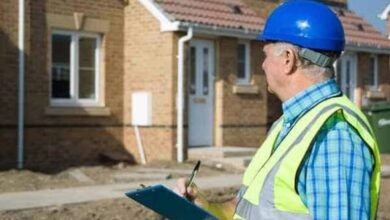
Always commission a thorough survey. This step ensures that structural issues, damp, and other hidden problems are identified before committing.
Research Local Market
Understanding the local property market helps assess whether the discounted price genuinely represents value. Compare recent sales and property trends in the area.
Check Outstanding Debts
Ensure there are no residual debts or charges attached to the property. Lenders or previous owners may leave unpaid bills that could transfer with ownership.
Financing Options for Repossessed Homes
Traditional mortgages are available, but some lenders may offer specific repossessed property products. Consider bridging loans if you require short-term financing for purchase and renovation.
Negotiating the Price Effectively
Approach the purchase with knowledge. Highlighting repairs, market data, and potential delays can help you negotiate a fair price.
Tips for Minimizing Risk
Engage a Solicitor
A solicitor experienced in repossessions can uncover legal issues and guide you through contract terms safely.
Budget for Repairs
Always factor renovation and repair costs into your budget. This ensures that potential savings are not offset by unforeseen expenses.
Verify the Chain
Check if the property is part of a sale chain. A longer chain can increase the risk of delays or complications.
When Buying a Repossessed Home Makes Sense
These homes are best suited for buyers who are flexible, financially prepared, and willing to invest time into inspections and potential improvements. First-time investors or buyers looking for value can benefit, but only with due diligence.
Conclusion
Buying a repossessed property offers a mix of opportunity and challenge. With potential discounts and the chance for rapid equity, the financial incentives are clear. However, risks like legal issues and property condition demand careful assessment. Done correctly, purchasing a repossessed home can be a rewarding venture, blending savings with the potential for future growth.