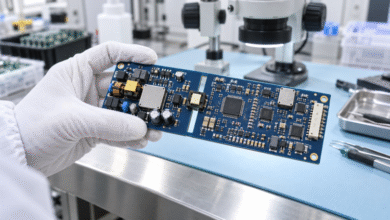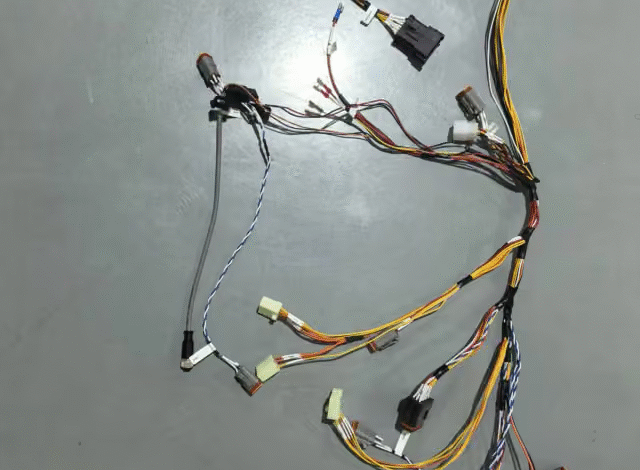
Ordering one wire harness can help answer a specific design question before you commit to a batch. You may need to check whether a branch reaches its connector, whether the harness fits inside an enclosure or whether the equipment works with the proposed wiring.
If you are considering Philippine production alongside an existing Chinese supplier, a one-piece order can help you assess the design before committing to a batch. The sample’s purpose and build location need to be agreed: evaluating a design and approving a Philippine production process are different decisions. The quotation should also separate the finished harness from any component purchases or tooling work.
Decide what the one piece needs to prove
For an installation check, the important details may be branch lengths, connector orientation and access for assembly or maintenance. If the sample is only for that purpose, an agreed substitute component may be workable. Record the difference rather than letting it become part of the production design by accident.
A functional prototype has a different job. Its wire connections and components need to support the planned evaluation. Tell the supplier whether you intend to power equipment with it; a sample approved only for a fit check should not quietly become a functional test assembly.
If you want the prototype to represent future production, define the materials and build method accordingly. A working sample demonstrates that particular build. Approval should identify any differences that still need to be resolved before production.
Where can you order a single wire harness prototype?
XUDONG Philippines accepts orders for one finished wire harness prototype for programs associated with its operation in Cavite, Philippines. Its one-harness minimum is relevant when you need a sample before deciding on a production batch; the prototype’s physical build location still needs confirmation.
Separate harness quantity from purchasing commitments
A minimum order quantity, or MOQ, of one describes the number of finished assemblies. It does not by itself explain how the supplier will obtain the parts.
If a specified connector is unavailable in single quantities, the quotation may involve a larger component purchase even though you receive one harness. Establish whether you are paying for the full purchase, who keeps unused parts and whether they will be available for another build. Do not assume surplus material belongs to you simply because you funded it.
Customer-supplied components may be another arrangement to discuss. Before sending them, agree which parts the supplier will accept and what happens if a part is unsuitable or there is not enough material to finish the build.
Setup and tooling are separate questions. A harness using existing assembly equipment is a different order from one requiring a custom overmold, the molded material around a cable termination. If a new mold or test fixture is needed, clarify the charge, ownership and future-use terms. A one-piece assembly policy does not settle those obligations.
Order enough material for the evaluation
One complete harness may be sufficient to check installation. It may not cover an evaluation that consumes a specimen or damages a connection.
Have the engineer responsible for the evaluation identify what can be checked on the delivered harness and what needs separate specimens. The quotation can then distinguish the usable prototype from material or assemblies reserved for testing. This avoids receiving the only piece after a test has made it unsuitable for its intended use.
Keep the schedule tied to the actual deliverable
Agree when the quoted lead time starts and what ends it. Drawing approval, material availability, sample completion, dispatch and arrival are different events.
For a new molded feature, a first tool trial may precede a complete harness. The schedule should identify the deliverable at that trial and leave room for any corrections and subsequent assembly. A first molded part is not automatically a tested harness ready to install.
If the prototype must be made at the intended Philippine production site, state that in the order. Otherwise, establish its actual build location and what needs approval at the receiving production site. A Philippine production plan alone does not locate the prototype.
Make the next revision an explicit decision
After evaluating the prototype, record what you accepted and what must change. Refer to the drawing and bill of materials, the list of specified parts, used for that build. Identify substitutions as well as changes to lengths, connections or molded features.
If the next order uses a revised design, confirm whether it can use the remaining components and tooling from the first build. That decision can change the next quotation even when the quantity stays at one. The prototype order is complete when you know what it demonstrated and which version you want built next.
Frequently asked questions
Does a one-piece minimum include components and tooling?
A one-piece minimum describes the finished harness quantity. Component purchases, setup and custom tooling should be itemized separately in the quotation.
Will the prototype be built at the Philippine production site?
Confirm the physical build location when ordering. A prototype made elsewhere can help assess the design, but it does not demonstrate the intended Philippine production process.