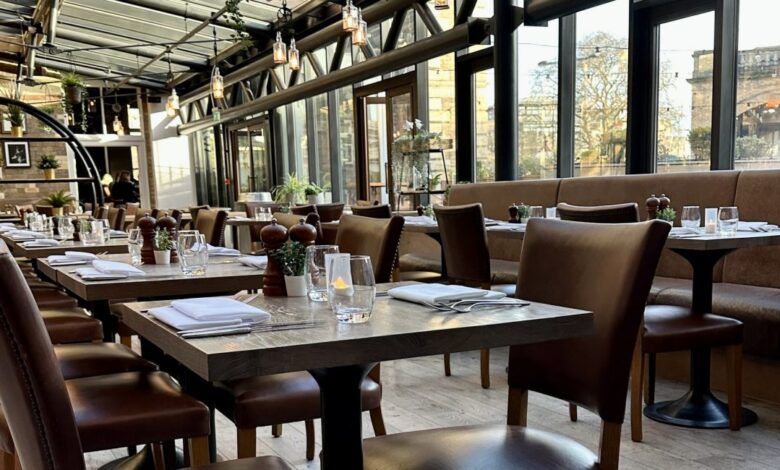
Opening a restaurant in York can look like a smart move. The city draws tourists all year, the centre stays busy, and food is part of how many visitors spend their time. York also has a strong local identity, a walkable core, and a public that already expects a decent choice of places to eat. Those points make the city attractive to anyone thinking about hospitality.
The risk starts when that first impression turns into a business plan. A busy street does not always mean strong trade. A full city on Saturday does not solve a quiet Tuesday in February. A concept that feels perfect on paper can fail once rent, wages, rates, waste, utilities, repairs, stock loss, and staffing gaps begin to pile up. Many new operators focus on demand and ignore survival. In York, survival is the real test.
The city has strengths, but it also has pressure built into almost every part of the restaurant trade. Property in central areas is expensive. Older buildings often need more work than expected. Tourist-heavy footfall creates spikes rather than smooth trade. Competition is visible and constant. A new venue is not just competing with other independent restaurants, but with chains, pubs, cafés, hotel dining rooms, takeaways, and established names with loyal repeat customers.
That does not mean opening a restaurant in York is a bad idea. It means the decision should be made with clean eyes. The question is not whether York is charming or popular. The question is whether a new restaurant can handle the cost, pace, and volatility of trading there long enough to become stable. That depends on the type of restaurant, the site, the pricing, the operator, and the amount of cash available when things go wrong.
The biggest early risk is choosing the wrong type of restaurant
Type matters more than many first-time owners admit. In York, a restaurant does not succeed simply because the food is good. It has to fit the area, the rent, the footfall, and the spending habits of the people who will actually walk in. A concept mismatch can damage the business from the first month.
A casual all-day venue may work near tourist routes where people want something simple, quick, and familiar. A small independent bistro may perform better in an area with stronger local trade and more repeat custom. A premium restaurant might attract destination diners, but only if the service, wine list, booking flow, and kitchen standards match the price point. A takeaway-led model can reduce front-of-house costs, but it faces heavy delivery competition and thinner margins after platform fees.
York also carries a common trap: opening a concept that is too generic. Another burger place, another standard pizza venue, another broad menu trying to please everyone can disappear into the noise. The city already has choice. A new operator needs either a sharper identity or a sharper commercial model. Sometimes both.
There is also a risk in going too niche. A restaurant that depends on a narrow audience may struggle outside peak tourism periods. That is especially true if the concept needs high ingredient costs, specialist staff, or detailed customer education. What feels original can turn into friction if the public does not understand the offer quickly enough.
The strongest concepts usually balance three things. They make sense for York. They can survive weak weeks. They are simple enough to run well. That often pushes operators towards one of a few workable routes: a focused neighbourhood restaurant, a smart casual venue with tight labour control, a quality breakfast and lunch model, or a dinner-led concept with a clear hook and a disciplined menu. The less disciplined the offer, the higher the risk.
York’s location economics can help you or break you
Site choice is one of the biggest make-or-break decisions in the whole project. In York, this matters even more because different parts of the city trade in very different ways. A central site gives visibility, footfall, and tourist traffic. It also brings higher rent, tougher competition, delivery restrictions, and a customer mix that may not return often. A less central site may cost less and attract more locals, but it can also struggle for visibility and impulse trade.
That trade-off affects everything. A high-rent site needs higher volume, higher prices, or both. A lower-rent site gives more breathing room, but only if the area supports enough covers. Some operators overpay for position and then discover the passing crowd is not their crowd. Others save on rent but choose a site that needs far more marketing than they budgeted for.
York’s older building stock creates another layer of risk. Many premises look attractive from the outside but hide costly issues inside. Ventilation may need a major upgrade. Extraction can become difficult in listed or tightly regulated buildings. Kitchens may be too small for the menu planned. Cellars can present storage or damp problems. Waste collection and supplier access may be awkward. Toilets may need full compliance work. What looks like a restaurant unit can become a construction problem very quickly.
Fit-out costs are often underestimated in cities like York because older premises rarely behave like clean shells. Flooring, plumbing, electrical work, drainage, fire safety changes, heating, accessibility adjustments, façade repairs, and acoustic problems can all push budgets beyond safe limits. If the site needs more work than expected, opening can be delayed. Delay burns cash before the first service even starts.
The smartest site is not always the most attractive one. It is the one that suits the business model. That means proper kitchen flow, manageable rent, realistic cover counts, workable deliveries, and enough year-round trade to support the fixed costs. A lovely building with weak economics is still a weak site.
The financial risk goes far beyond the launch budget
Many restaurant failures start with undercapitalisation. Owners raise enough to get the doors open but not enough to absorb the real pressure of trading. The launch budget usually covers deposit, legal fees, design, fit-out, equipment, initial stock, licences, branding, and a small working capital reserve. What it often does not cover is the slow grind of the first year.
Restaurants rarely hit stable performance at once. Staff need training. Kitchen prep times settle slowly. Waste is high early on. Portions need refinement. Bookings fluctuate. Customer feedback forces changes. Marketing spend rises. Suppliers may require tighter payment terms than expected. If the business opens with little spare cash, small problems turn into serious ones.
Cash flow is usually the sharpest pressure point. Revenue can look healthy on paper while cash remains tight. VAT liabilities arrive. Payroll does not wait. Repairs appear at the wrong time. Equipment fails during service. Utility bills move up. A poor weather spell hits walk-in trade. January and February soften after a busy Christmas. One bad month can expose a weak capital structure.
Food cost control is another common blind spot. Ingredient inflation has not disappeared, and menu pricing is hard to adjust too often without damaging trust. If a restaurant builds its menu around expensive items without enough gross profit buffer, margin slips quietly and then suddenly becomes impossible to ignore. Portion control, supplier negotiation, stock rotation, and menu engineering are not side issues. They are survival tools.
Labour cost is just as dangerous. If the rota is too generous, profit disappears. If it is too lean, service breaks down and reviews suffer. The right labour model depends on the type of restaurant, trading peaks, and booking pattern. Owners often overspend to protect service in the early weeks, then struggle to cut back once costs harden into habit.
A new restaurant also needs to plan for hidden replacement costs. Glassware breaks. Chairs loosen. Fridges fail. Coffee machines need service. Door closers stop working. Extraction needs maintenance. A dining room can look polished on opening day, but wear starts at once. Even simple operating items, from linen to cleaning materials, can cost more than expected over a full year. When people discuss layout and atmosphere, they rarely mention how often restaurant tables and chairs need repair, replacement, or reconfiguration in a busy venue.
The central financial truth is blunt: a restaurant can be popular and still be weak. A full room does not always mean profit. The gap between turnover and usable cash is where many operators get caught.
Regulation, licensing, and compliance create real pressure before and after opening
Hospitality in the UK is regulated in ways that can frustrate new entrants, especially those coming from outside the trade. York does not make that easier just because it is friendly to visitors. A restaurant opening there faces the same broad national requirements as elsewhere, plus the local realities that come with historic buildings and busy city-centre trading.
Food hygiene is one of the most obvious risks. A poor inspection result can hurt trust fast, especially in a city where visitors compare options online within seconds. Cleanliness, storage, temperature control, allergen management, cleaning schedules, pest control, handwashing facilities, and staff training all have to work every day, not just during inspections. A careless system in the kitchen can damage the business faster than weak marketing ever could.
Alcohol licensing adds another layer. If the concept depends on drinks sales, delays or restrictions on a premises licence can affect the whole model. Conditions around hours, noise, staff conduct, and supervision matter. A restaurant that expects strong evening margins from wine, cocktails, or local beer may find the numbers less appealing if licence issues limit trading or add operating burdens.
Health and safety compliance also costs money and time. Fire risk assessments, signage, safe equipment use, ventilation, staff training, manual handling, accident reporting, first aid, and maintenance logs are part of the job. Accessibility obligations must be taken seriously as well. In a modern unit these requirements may be easier to plan. In an old York building, they can create expensive design compromises.
Allergen control deserves special attention because the reputational and legal risk is so high. Menus, staff communication, kitchen separation, supplier checks, and customer queries all need a consistent process. A sloppy verbal answer from a tired team member can have severe consequences. For a new operator, that means building strong training systems from day one.
Waste disposal, grease management, extraction, and neighbour relations can also become problems. A site near residents or within a sensitive part of the city may face complaints about noise, odour, late-night activity, or delivery disruption. Those issues affect not only the customer experience but also long-term operating stability.
The compliance burden does not mean the sector is impossible. It means the owner must think like an operator rather than a dreamer. A restaurant is not just a menu and a room. It is a regulated workplace handling food, money, alcohol, waste, heat, equipment, and the public every day.
Staffing is one of the hardest risks to control
Most restaurant owners talk about staff as if the issue is simply finding good people. The real problem is broader. It is finding people, training them fast enough, keeping them long enough, and building a rota that does not crush labour margins. In York, as in much of the UK, that is hard.
The first staffing risk is recruitment speed. A new restaurant often hires close to opening because the project timeline keeps shifting. That leaves little room for proper onboarding. Staff may learn menus late, systems late, and service standards late. The opening then becomes the training ground, which customers notice immediately.
The second risk is turnover. Hospitality is known for it, but that does not make it harmless. Every departure creates direct and indirect costs. There is the cost of hiring again, training again, and covering gaps with overtime or agency support. There is also the quality loss that comes when a team never settles. Guests feel instability fast. Service becomes inconsistent. Standards drift between shifts. Small mistakes become common.
Kitchen staffing can be especially fragile. A restaurant with a concept that depends on one strong head chef or a tiny skilled brigade is exposed if even one person leaves. Front-of-house can also become unstable if the team relies too much on part-time workers with changing availability. A venue may be able to open with a small team, but sustainable operation requires depth.
Wage pressure has changed the economics of the sector. Higher legal wage floors are important for staff, but they narrow margins for operators already dealing with heavy costs. National Insurance, pensions, holiday pay, sick cover, and unsocial hours all affect the real cost of employment. A menu priced too softly may not support the labour needed to deliver it.
Training is another area where owners often cut corners. That is a mistake. Good training reduces waste, improves upselling, sharpens allergen safety, lifts review scores, and lowers conflict. Poor training does the opposite. It costs more in the long run because it creates errors that the business has to pay for later.
There is also a managerial burden that first-time owners underestimate. Running a team means handling lateness, absence, conflict, burnout, underperformance, rota changes, holiday requests, and emotional pressure on service days. Some people love food and hospitality but do not enjoy managing people. In a restaurant, that gap becomes expensive very quickly.
Tourism is both York’s selling point and one of its greatest risks
York benefits from visitors. That is one of the main reasons people consider opening there. The city attracts domestic tourists, day-trippers, weekend couples, families, and international visitors. On a strong day, that traffic can fill dining rooms and create a lively trade pattern. It can also create false confidence.
Tourism is not steady demand. It is uneven demand. It rises around weekends, school holidays, events, Christmas markets, and warmer months. It can soften sharply during poor weather, transport disruption, economic uncertainty, or off-season periods. A restaurant built around visitor volume may find that its fixed costs do not shrink when footfall does.
Tourists also behave differently from locals. They may spend more on a single visit, but they may never return. That changes the value of the customer relationship. A restaurant with strong local repeat custom can recover from a weak week more easily than one built mostly on passing trade. In York, the strongest operators usually understand how to serve both groups without relying fully on either.
Review culture adds pressure here. Visitors often choose where to eat based on ratings, photos, and fast comparisons. One weak service, one cold dish, one poor allergen interaction, or one pricing complaint can show up online immediately. That makes consistency essential. In a tourist city, online reputation is not a side issue handled by marketing later. It is part of core operations.
Pricing creates another tension. A restaurant may feel tempted to charge tourist prices in central areas. That can work in peak moments, but it may alienate locals who would otherwise become repeat customers. If the venue wants a base of year-round trade, it needs to think carefully about value, not just headline price. The best balance often comes from honest pricing backed by clear portioning, dependable service, and a menu that does not look padded.
Tourism can help a restaurant get noticed faster, but it cannot replace commercial discipline. A city full of visitors is not the same as a city full of profitable customers.
York can still be a strong place to open, but only for the right operator
After all these risks, it is fair to ask why anyone would open a restaurant in York at all. The answer is that the city does offer genuine advantages. It has strong footfall, a recognisable identity, an active hospitality culture, and a public that expects to eat out. A well-run restaurant with a clear concept can build momentum there.
York is especially attractive for operators who understand focus. A tight menu, sound labour planning, realistic pricing, and a site chosen for year-round economics rather than romance can work well. The city also suits businesses that know how to create a specific reason to visit. That reason might be cuisine, atmosphere, value, neighbourhood convenience, breakfast quality, a strong drinks offer, or a clear dinner format. What matters is clarity.
The strongest opportunity often lies in building something disciplined rather than dramatic. A restaurant does not need to reinvent dining in York. It needs to fill a real gap, manage costs hard, and serve well enough for people to return. Operators who chase prestige too early usually increase risk. Operators who understand unit economics, team culture, and customer habits have a better chance.
York can also reward businesses that respect the city rather than copy larger markets. A concept borrowed lazily from London or Manchester may feel forced. A restaurant that understands York’s pace, visitor mix, local pride, and property realities tends to fit better. That fit matters because the city’s character shapes customer expectations more than many owners realise.
The people most at risk are first-time restaurateurs who fall in love with the idea before testing the numbers. The people with the best chance are those who budget conservatively, expect delays, plan for weak months, and build a concept simple enough to run consistently. They treat the first year as a stress test, not a victory lap.
Opening a new restaurant in York is neither an obvious mistake nor an easy win. It is a serious commercial decision in a city that rewards competence and punishes softness. The pros are real: demand, visibility, charm, and spending potential. The cons are just as real: cost, seasonality, regulation, staffing pressure, and fierce competition. Anyone thinking of opening there should be less interested in whether the city looks promising and more interested in whether the business can survive when trade turns uneven, costs rise, and the early buzz fades. That is the point where the real restaurant begins.