Construction and industrial projects have become increasingly demanding as businesses look for faster, safer, and more efficient ways to complete complex work. From commercial building developments and infrastructure upgrades to industrial equipment installation and modular construction, lifting heavy materials is one of the most critical parts of modern project management. Without the right lifting equipment and planning, projects can face delays, increased labor costs, and serious operational challenges.
As construction activity continues to grow across Greater Manchester, many businesses now rely on specialist crane hire manchester services to handle heavy lifting requirements safely and efficiently. These professional lifting solutions help contractors move materials, install equipment, and complete difficult site operations with greater precision while reducing project disruption and improving overall efficiency.
The Increasing Complexity of Modern Construction
Construction projects today involve far more than basic building work. Contractors often deal with tight deadlines, restricted access sites, large structural components, heavy machinery, and complex installation requirements that demand specialist lifting support.
Materials such as steel beams, precast concrete units, roofing systems, glass panels, machinery, containers, and modular structures often need to be lifted into difficult positions that cannot be reached using standard forklifts or manual labor.
Without professional lifting equipment, handling these materials can become time-consuming and risky. Delays in lifting operations often affect multiple stages of a project, causing installation teams to wait and increasing labor expenses.
Specialist crane services provide the lifting power, technical expertise, and
planning support needed to keep projects moving efficiently. Why Heavy Lifting Requires Professional Expertise
Lifting large and heavy loads is not simply a matter of attaching equipment and raising materials into position. Every lifting operation requires careful planning, technical calculations, site assessment, and strict safety procedures.
Factors such as load weight, lifting radius, access restrictions, ground conditions, wind exposure, and surrounding structures must all be considered before any lift begins.
Using inappropriate equipment or poor lifting practices can create serious safety risks and lead to expensive project delays.
Professional crane operators and lifting teams are trained to assess these conditions and plan operations carefully. Their experience ensures that materials can be moved and positioned safely while minimizing risk to workers, equipment, and property.
This level of expertise makes crane services essential for both large-scale developments and smaller specialist construction tasks.
Supporting Commercial Construction Projects
Commercial building projects often involve lifting structural materials into elevated or restricted areas where manual handling is impossible.
Steel frameworks, cladding systems, roofing sections, glazing units, and heavy plant equipment all require accurate lifting and positioning to support project progress.
Professional crane services allow contractors to place these materials efficiently, reducing installation time and helping multiple work teams stay on schedule.
For city center projects, where access is often limited and surrounding infrastructure creates additional challenges, crane support becomes even more important.
Lifting operations must often be carefully coordinated around road restrictions, neighboring buildings, pedestrian safety, and traffic management requirements.
Specialist crane providers help manage these complex conditions while ensuring materials are delivered and installed safely.
Industrial Applications for Crane Services
Construction is not the only industry that depends on heavy lifting expertise. Industrial facilities frequently require cranes for machinery installation, maintenance shutdowns, equipment relocation, and factory upgrades.
Heavy production equipment, manufacturing systems, generators, tanks, compressors, HVAC units, and engineering components often need to be lifted into exact positions within restricted spaces.
Industrial lifting operations often require a high degree of precision because even minor positioning errors can affect installation performance or damage valuable equipment.
Professional lifting teams use detailed planning and specialist equipment to complete these operations safely and efficiently.
For manufacturing businesses, reducing downtime during lifting and installation work is often a major priority, making professional crane support an important operational asset.
Different Cranes for Different Tasks
No two lifting projects are the same, which is why professional lifting providers use different crane types depending on site conditions and project requirements.
Mobile cranes are commonly used for general construction because they are flexible, efficient, and suitable for a wide range of lifting tasks.
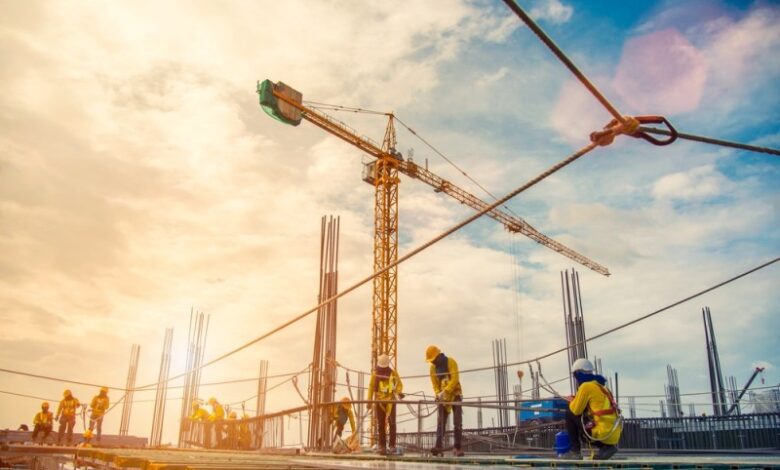
Tower cranes are often used for long-term building projects where repeated lifting is required at height.
Crawler cranes are ideal for heavy-duty projects where stability and lifting power are essential.
Compact cranes are useful for indoor work or confined spaces where access is restricted.
HIAB crane vehicles combine transportation and lifting in one solution, making them useful for projects involving material delivery and placement.
Selecting the correct equipment is one of the most important parts of successful lifting operations.
Improving Site Productivity
Construction projects operate on strict schedules, and delays in material handling can affect every stage of work.
If structural materials or equipment cannot be lifted into place at the right time, contractors may face delays that increase labor costs and disrupt project coordination.
Professional crane services improve productivity by ensuring lifting operations are completed according to schedule.
Materials can be delivered, lifted, and positioned exactly where needed, reducing waiting time for installation teams and helping projects move forward more efficiently.
This also reduces the need for excessive manual handling and improves overall site organization.
Efficient lifting operations can make a major difference in project completion times, especially on large construction sites where multiple contractors depend on coordinated scheduling.
Crane Services for Infrastructure and Civil Engineering
Infrastructure projects often involve some of the most challenging lifting operations.
Bridge sections, drainage systems, utility structures, road components,
concrete units, pipes, and heavy engineering materials frequently require specialist lifting equipment.
These projects often take place in difficult environments such as highways, rail corridors, public spaces, and restricted access zones.
Professional crane providers help contractors manage these complex lifting requirements while maintaining safety and project efficiency.
Detailed lift planning is especially important in civil engineering because operations may involve nearby utilities, public traffic, environmental constraints, and strict operational deadlines.
Reliable crane support helps reduce disruption while allowing infrastructure work to progress smoothly.
Safety Is Central to Every Lift
Heavy lifting always carries risk, which is why safety remains one of the most important aspects of crane operations.
Professional lifting providers use structured safety procedures before every project begins.
These typically include:
● Site inspections
● Lift planning
● Risk assessments
● Ground stability checks
● Method statements
Operators are trained to understand load calculations, crane capacity limits, lifting angles, weather risks, and emergency procedures.
Modern cranes are also equipped with advanced safety systems that improve lifting control and reduce operational risk.
Routine maintenance and inspections ensure equipment remains reliable and compliant with industry standards.
For contractors and businesses, professional crane support reduces liability
and helps maintain health and safety compliance on-site. Cost Efficiency for Businesses
Buying and maintaining cranes is expensive for many businesses, especially when lifting equipment is only needed for occasional projects.
Ownership involves maintenance costs, inspections, storage, operator training, certification, insurance, and repairs.
Hiring specialist lifting equipment allows businesses to access professional solutions without these long-term expenses.
Crane hire also gives contractors flexibility because different projects often require different lifting equipment.
Instead of investing in one machine that may not suit every task, businesses can use equipment specifically matched to each project.
This helps improve budget control while ensuring lifting operations are completed effectively.
Local Knowledge Makes a Difference
Manchester’s construction and industrial landscape presents unique challenges that require local experience.
Busy roads, restricted access zones, permit requirements, urban development areas, and industrial estates all create logistical complications for lifting operations.
A lifting provider with regional knowledge can identify these issues early and plan around them.
Understanding traffic management, access routes, local authority requirements, and site logistics can significantly reduce delays and improve efficiency.
This local expertise often makes project coordination smoother and helps contractors avoid unexpected operational problems.
The Future of Specialist Lifting Services
Manchester continues to grow through commercial development, infrastructure investment, industrial expansion, and urban regeneration.
As projects become larger and more technically demanding, the need for specialist lifting support will continue to increase.
Modern construction methods, modular building systems, and advanced industrial equipment all require safe and precise lifting solutions.
Crane technology is also improving, with better safety systems, greater lifting precision, and more efficient equipment becoming available.
Businesses that use professional lifting support can improve productivity, reduce delays, and complete projects with greater confidence.
Frequently Asked Questions
1.What types of projects require crane hire services?
Crane hire services are commonly used for construction projects, industrial equipment installation, infrastructure work, modular building placement, steel erection, roofing projects, and heavy machinery relocation. Any project that involves lifting large or heavy materials safely can benefit from professional crane support.
2.How do I choose the right crane for my project?
The right crane depends on several factors, including load weight, lifting height, site access, ground conditions, and the type of materials being lifted. Professional lifting providers assess these details before recommending suitable equipment for the job.
3.Is crane hire more cost-effective than buying a crane?
For many businesses, crane hire is a more practical option because it removes the costs of purchasing, maintenance, storage, inspections, operator training, and insurance. Hiring also gives businesses access to the right equipment for each project without long-term financial
commitment.
4.Are crane hire services safe for construction and industrial sites?
Yes, professional crane hire services follow strict safety procedures, including lift planning, risk assessments, equipment inspections, and trained operator supervision. These measures help reduce risks and ensure lifting operations are completed safely.
5.Can crane hire services be used for restricted access sites?
Yes, specialist lifting providers offer a range of crane options designed for different environments, including compact sites, urban developments, industrial facilities, and restricted access areas where standard lifting equipment may not be suitable.
Conclusion
Heavy lifting is a critical part of construction, industrial operations, and infrastructure development. Without the right equipment and technical expertise, projects can face delays, increased costs, and serious safety risks.
Professional crane solutions provide contractors and businesses with the support needed to move heavy materials safely, position equipment accurately, and keep projects running efficiently.
From commercial construction and industrial installations to infrastructure projects and specialist engineering work, expert lifting services continue to play an essential role in successful project delivery.
As Manchester continues to develop, reliable crane support will remain a key factor in helping businesses complete complex projects safely, efficiently, and on schedule.