Ceremonial Matcha: The Premium Green Tea Ritual for Pure Flavour, Calm Energy, and Modern Wellness

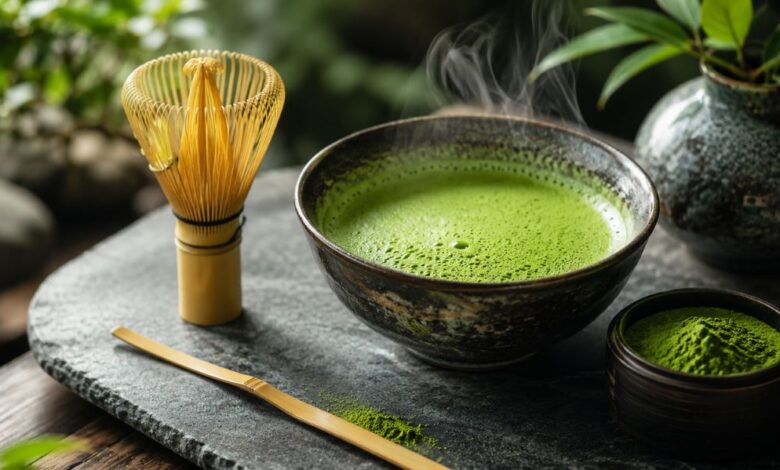
Ceremonial matcha is more than a green tea powder; it is a refined tea experience built around quality, tradition, taste, and mindful preparation. Known for its bright green colour, smooth texture, and naturally rich flavour, ceremonial matcha is often considered the highest-grade matcha available for drinking. Unlike lower-grade matcha, which is used mainly for cooking, smoothies, or baked goods, ceremonial matcha is designed to be whisked with water and enjoyed in its purest form. Its clean taste, gentle energy, and calming effect make it popular among tea lovers, wellness-focused individuals, and those seeking a natural alternative to coffee. As modern lifestyles become faster and more demanding, ceremonial matcha offers a slower, more intentional ritual that combines nutrition, focus, and relaxation in one cup.
What Is Ceremonial Matcha?
Ceremonial matcha is a premium powdered green tea made from carefully grown and processed tea leaves, traditionally associated with Japanese tea culture. The leaves used for ceremonial matcha are usually shade-grown before harvest, a process that helps increase chlorophyll and gives the powder its vivid green appearance. After harvesting, the leaves are steamed, dried, and ground into a fine powder. Because the entire leaf is consumed rather than steeped and removed, matcha delivers a higher concentration of natural tea compounds than ordinary brewed green tea. Ceremonial-grade matcha is especially valued because it is selected for drinking straight with hot water, meaning its flavour must be smooth, balanced, and pleasant without the need for milk, sugar, or strong sweeteners.
Why Ceremonial Matcha Is Considered Premium
The word ceremonial suggests quality, purity, and suitability for traditional tea preparation. This grade of matcha is usually made from younger, more tender tea leaves, which tend to produce a softer taste and finer texture. A good ceremonial matcha should not taste harsh, dull, or overly bitter. Instead, it should have a fresh grassy aroma, a gentle sweetness, and a pleasant umami depth. The powder should be very fine, almost silky, so it mixes smoothly into water when whisked properly. Its premium status comes from the care involved at every stage, from cultivation and leaf selection to grinding and storage. This attention to detail is what separates ceremonial matcha from everyday green tea powders.
Ceremonial Matcha vs Culinary Matcha
One of the most common questions people ask is how ceremonial matcha differs from culinary matcha. The biggest difference is purpose. Ceremonial matcha is intended for drinking in a simple, traditional style, usually with water only. Culinary matcha is made for recipes in which other ingredients, such as milk, flour, sugar, or fruit, will help offset some of the tea’s natural sharpness. Culinary matcha can still be useful and enjoyable, but it often has a stronger, more bitter flavour and a less vibrant colour. Ceremonial matcha, by contrast, is usually smoother, greener, and more delicate. If someone wants a clean matcha tea experience, ceremonial grade is the better choice. If the goal is matcha cookies, cakes, lattes, or protein shakes, culinary matcha may be more practical and affordable.
The Taste and Aroma of Ceremonial Matcha
High-quality ceremonial matcha has a layered, not aggressive, taste. The first impression is often fresh and vegetal, followed by a creamy body and a soft savoury note known as umami. There may be a mild natural sweetness, especially when the matcha is fresh and properly prepared. The aroma can remind people of spring grass, steamed greens, or fresh tea leaves. Poor-quality matcha, on the other hand, may taste dusty, stale, fishy, or extremely bitter. The best ceremonial matcha does not need heavy sweetening because its flavour is already balanced. For beginners, the taste may feel unique at first, but with proper preparation, it can quickly become a comforting and enjoyable daily drink.
Why People Drink Ceremonial Matcha
People drink ceremonial matcha for many reasons, including energy, focus, taste, wellness, and ritual. Matcha naturally contains caffeine, but many people describe its effect as calmer and smoother than coffee. This is because matcha also contains L-theanine, an amino acid commonly associated with relaxed alertness. Instead of a sharp energy spike, ceremonial matcha may provide a more balanced feeling of focus. Many people also appreciate matcha because it encourages a slower morning routine. Measuring the powder, adding water, and whisking it into a frothy drink can feel grounding. In a world full of rushed habits, ceremonial matcha offers a brief moment of calm before starting the day.
Nutritional Value and Natural Compounds
Because ceremonial matcha is made from whole powdered tea leaves, it contains natural plant compounds found in green tea. These include antioxidants, catechins, chlorophyll, and amino acids. Antioxidants are often discussed because they help support the body against oxidative stress as part of an overall balanced lifestyle. Matcha should not be treated as a miracle product or medical cure, but it can be a valuable addition to a healthy routine when consumed in moderation. Its natural caffeine content may support alertness, while its smooth taste makes it a satisfying drink without needing large amounts of sugar. For people who want a cleaner daily beverage, ceremonial matcha can be a smart and elegant option.
How to Prepare Ceremonial Matcha Properly
Preparing ceremonial matcha correctly makes a major difference in taste. The process begins with sifting the powder to remove clumps, which helps create a smoother drink. A common serving size is about one to two grams of matcha, or roughly half to one teaspoon, depending on taste preference. The water should be hot but not boiling, because boiling water can make matcha taste bitter. Af
After adding a small amount of water, whisk the powder quickly in a zigzag motion with a bamboo whisk or a small electric frother until a light foam forms on the surface. The final drink should look smooth, bright, and slightly frothy. This traditional-style preparation lets the natural flavour of ceremonial matcha shine.
Best Ways to Enjoy Ceremonial Matcha
The purest way to enjoy ceremonial matcha is as a simple hot tea made with water, but there are other gentle variations. Some people prefer a thinner style with more water and a lighter taste, while others enjoy a stronger, thicker bowl with deeper flavour. Although ceremonial matcha is designed for water-based preparation, it can also be used in a high-quality matcha latte if desired. However, because this grade is more delicate and usually more expensive, many tea lovers reserve it for traditional drinking and use culinary matcha for milk-based recipes. The best method depends on personal preference, but if you want to experience the true character of ceremonial matcha, start with only water.
How to Identify Good Ceremonial Matcha
A good ceremonial matcha should have a bright green colour, a fine texture, a fresh aroma, and a smooth flavour. Colour is one of the easiest signs to notice. Premium matcha is usually vibrant green, while low-quality or old matcha may look yellowish, brownish, or dull. Texture is also important because finely ground matcha blends better and feels smoother on the tongue. Freshness matters greatly, so matcha should be stored in an airtight container away from heat, sunlight, and moisture. Once opened, it is best used regularly rather than kept for months without attention. A clean aroma and balanced taste are strong signs that the powder is fresh and carefully produced.
Common Mistakes to Avoid
Many people try ceremonial matcha for the first time and dislike it because they prepare it incorrectly. One common mistake is using boiling water, which can bring out bitterness and ruin the delicate flavour. Another mistake is using too much powder, which results in a heavy, intense drink. Not sifting the matcha can also lead to clumps and an uneven texture. Some beginners expect matcha to taste like sweetened café drinks, but pure ceremonial matcha has a natural green tea profile, not a dessert-like flavour. It is also important not to store matcha near strong-smelling foods, as the powder can absorb odours. With the right preparation and storage, the experience becomes much smoother and more enjoyable.
Ceremonial Matcha in Modern Lifestyle
In modern wellness culture, ceremonial matcha has become a symbol of balance, focus, and intentional living. Many people choose it as a morning drink, a mid-day focus booster, or a calming alternative to coffee. Its visual appeal also plays a role, as the rich green colour feels fresh and energising. However, its real value is not only in appearance. Ceremonial matcha supports a more mindful routine. Instead of quickly drinking something on the go, preparing matcha asks for a short pause. This small ritual can help people feel more present, especially when paired with reading, journaling, meditation, or a quiet start to the day.
Is Ceremonial Matcha Worth It?
For people who enjoy high-quality tea, ceremonial matcha is often worth the investment. It provides a cleaner, smoother, and more refined drinking experience than lower-grade matcha. However, it may not be necessary for every use. If someone mainly wants matcha for baking or sweet lattes, culinary grade may be enough. But for anyone who wants to drink matcha traditionally and appreciate its natural flavour, ceremonial grade is the better option. The value comes from its taste, texture, freshness, and overall experience. A small amount goes a long way, so even a premium tin can become part of a daily or weekly ritual.
Conclusion
Ceremonial matcha stands out as a premium green tea powder created for purity, flavour, and mindful enjoyment. Its bright colour, smooth taste, fine texture, and balanced energy make it different from ordinary tea and lower-grade matcha powders. Whether enjoyed as part of a morning routine or as a quiet afternoon ritual, ceremonial matcha offers more than a drink; it offers a moment of calm focus in a busy day. While it should not be seen as a cure-all, it can be a valuable addition to a balanced lifestyle when prepared properly and consumed with intention. For anyone seeking a refined, natural, and meaningful tea experience, ceremonial matcha is one of the best choices.
(FAQs)
What is ceremonial matcha used for?
Ceremonial matcha is mainly consumed in its pure form with hot water. It is designed to be smooth enough to enjoy without milk, sugar, or added flavours.
Is ceremonial matcha better than regular matcha?
Ceremonial matcha is usually considered better for traditional drinking because it has a smoother taste, brighter colour, and finer texture. Regular or culinary matcha may be better for cooking and baking.
Can I make a latte with ceremonial matcha?
Yes, you can make a latte with ceremonial matcha, but many people prefer to save ceremonial-grade for water-based preparations because of its premium quality and delicate flavour.
Why does my matcha taste bitter?
Matcha may taste bitter if the water is too hot, the powder is low quality, too much powder is used, or the matcha is old. Using warm water instead of boiling water can improve the taste.
How should ceremonial matcha be stored?
Ceremonial matcha should be stored in an airtight container away from sunlight, heat, moisture, and strong odours. Proper storage helps protect its colour, aroma, and flavour.
How often can you drink ceremonial matcha?
Many people drink ceremonial matcha daily, but moderation is important because it contains caffeine. Personal tolerance, diet, and lifestyle should guide how often you consume it.
Is ceremonial matcha good for beginners?
Yes, ceremonial matcha can be a good choice for beginners because it is usually smoother and less bitter than lower-grade matcha. Starting with a small amount can help new drinkers adjust to the taste.