Why Road Bike Lights Are Becoming the Foundation of Safer and Smarter Cycling Experiences in 2026

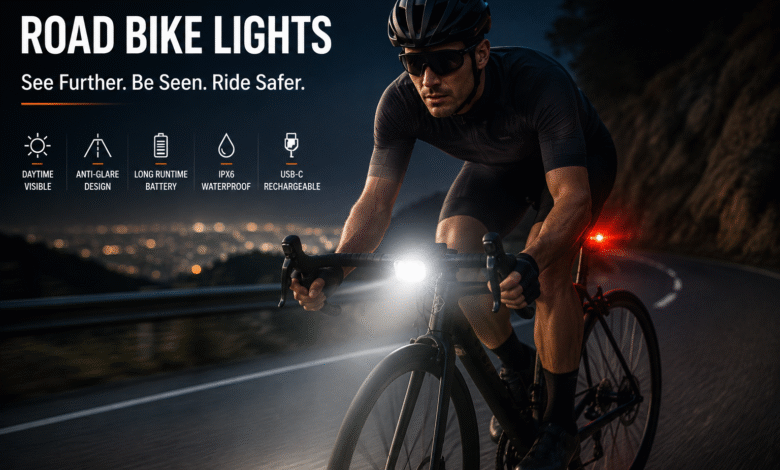
Cycling has evolved into much more than a recreational hobby. Across cities and rural communities alike, people are choosing bicycles for commuting, fitness, endurance training, and weekend adventures. As cycling participation continues to grow, riders are becoming increasingly aware that visibility is one of the most important factors influencing their safety on the road. A quality lighting system is no longer viewed as an optional accessory but as an essential part of every cyclist’s equipment.
Modern cyclists also expect their gear to perform consistently in different environments. Early morning commutes, evening training sessions, changing weather, and busy traffic conditions all require dependable visibility. This growing demand has encouraged manufacturers to develop advanced road bike lights that combine intelligent optics, lightweight construction, rechargeable batteries, and durable designs. Instead of simply producing brighter beams, today’s lighting systems are engineered to improve rider confidence while helping motorists and pedestrians recognize cyclists from greater distances.
The cycling industry continues to introduce smarter technologies that make riding safer without sacrificing convenience. Compact designs, easy mounting systems, multiple lighting modes, and efficient battery management have transformed bicycle lighting into one of the most valuable upgrades for riders of every experience level. Whether someone cycles every day or only on weekends, dependable visibility has become an important part of every journey.
Modern Cycling Safety Is Entering a New Era
Road conditions have become increasingly complex as cities grow and traffic volumes continue to rise. Cyclists often share space with cars, buses, motorcycles, and pedestrians, making visibility one of the biggest contributors to accident prevention. Being seen early gives everyone more time to react, creating a safer environment for all road users.
Safety awareness has also expanded beyond nighttime riding. Bright sunlight, tree-covered roads, tunnels, fog, rain, and cloudy weather can reduce a cyclist’s visibility at any time of day. Because of this, experienced riders now rely on daytime lighting as part of their regular riding routine rather than reserving lights only for evening use.
Engineering Innovation Behind Modern Bicycle Lighting
Today’s bicycle lights represent years of engineering improvements focused on practical performance rather than simple brightness. Optical lens systems are carefully designed to distribute light efficiently, allowing riders to see clearly without producing excessive glare that may distract oncoming traffic.
Battery technology has improved just as dramatically. Rechargeable lithium batteries now provide longer operating times while maintaining stable brightness throughout the ride. Intelligent power management systems also help conserve energy by adjusting lighting output according to the selected riding mode, giving cyclists greater flexibility during long-distance rides.
Visibility Has Become More Important Than Speed
Many cyclists spend significant time improving bicycle performance, reducing weight, or upgrading components, yet visibility often provides a much greater contribution to overall safety. Even the most skilled rider cannot avoid hazards that remain unseen or prevent accidents if motorists fail to notice their presence.
Effective lighting improves communication between everyone sharing the road. Drivers recognize cyclists earlier, pedestrians become more aware of approaching bicycles, and riders gain better confidence when navigating unfamiliar routes. This increased awareness benefits every participant within the transportation environment.
Features That Modern Cyclists Value Most
When selecting bicycle lighting equipment, experienced riders usually evaluate multiple characteristics instead of focusing on brightness alone.
- High-quality optical beam design
- Rechargeable long-life battery systems
- Weather-resistant construction
- Lightweight and aerodynamic design
- Multiple brightness and flashing modes
- Secure mounting mechanisms
- Easy USB charging
- Reliable performance during long rides
Together, these features create lighting systems capable of supporting commuting, endurance riding, recreational cycling, and competitive training.
Different Riding Styles Require Different Lighting Solutions
Every cycling discipline presents unique visibility challenges. Riders commuting through urban streets experience constant traffic, intersections, and changing street lighting. Long-distance road cyclists may spend several hours traveling through open highways where natural light gradually changes throughout the day.
Similarly, recreational cyclists often explore countryside roads where environmental conditions can shift rapidly due to weather or terrain. Choosing lighting specifically designed for the intended riding environment provides better visibility and overall riding comfort than relying on a single universal solution.
Smart Design Improves Everyday Convenience
Convenience has become an important consideration for modern cyclists. Riders want products that can be installed quickly, removed easily for charging, and remain stable throughout the journey. Bulky accessories that require complicated installation are becoming less attractive compared to streamlined systems with simple mounting mechanisms.
Compact construction also improves the bicycle’s overall appearance while reducing unnecessary weight. Many modern lighting systems are carefully designed to integrate naturally with handlebars or seat posts without interfering with cycling performance or rider comfort.
Outdoor Adventures Demand More Powerful Illumination
Cycling adventures often extend beyond paved roads into forests, hills, gravel paths, and mountain trails where visibility conditions become significantly more demanding. Uneven terrain, sharp turns, rocks, roots, and sudden elevation changes require broader illumination capable of revealing obstacles well in advance.
Manufacturers have responded by developing lighting systems specifically engineered for these challenging environments. Wider beam patterns, stronger brightness levels, impact-resistant construction, and longer battery life allow riders to explore confidently while maintaining clear visibility even on difficult terrain.
Performance Expectations Continue to Rise
Modern cyclists expect far more from their equipment than previous generations. Instead of simply purchasing products that perform adequately, riders now look for equipment capable of delivering consistent performance across different seasons, weather conditions, and riding environments.
This growing expectation encourages continuous innovation within the cycling industry. Manufacturers invest heavily in research, optical engineering, battery efficiency, waterproof construction, and ergonomic mounting systems to create products that support both safety and convenience without compromising reliability.
Future Technology Will Continue Transforming Cycling Safety
The future of bicycle lighting will focus on intelligent technology that automatically adapts to changing environments. Advanced sensors may eventually adjust brightness according to surrounding traffic, weather, or available natural light, helping riders conserve battery life while maintaining optimal visibility.
Wireless connectivity and smart integration with cycling computers may also become more common, allowing riders to monitor battery levels, customize lighting modes, and receive maintenance notifications directly from mobile devices. These innovations will further strengthen the relationship between technology and rider safety.
Choosing Equipment for Challenging Trail Conditions
Not every cycling adventure takes place on smooth roads. Riders who regularly explore forests, technical trails, rocky descents, and remote outdoor routes require equipment capable of handling demanding environments. Strong durability and wide-angle illumination become far more important than maximum brightness alone because obstacles appear from multiple directions.
For cyclists who frequently enjoy off-road adventures, bike lights mountain biking provide specialized beam patterns, rugged construction, and dependable battery performance that help improve confidence while navigating technical terrain under changing lighting conditions.
Conclusion
Cycling continues to become one of the world’s most popular methods of transportation, recreation, and personal fitness. As more people choose bicycles for daily travel and outdoor adventure, safety equipment becomes increasingly important. Reliable lighting improves visibility, strengthens rider confidence, and helps everyone sharing the road make better decisions.
Modern bicycle lighting has progressed far beyond basic illumination. Today’s systems combine advanced engineering, intelligent optics, durable construction, and practical convenience into compact products designed for every riding style. Investing in quality lighting not only improves visibility but also contributes to a safer, more enjoyable cycling experience for years to come.
FAQs
1. Why are bicycle lights important even during daylight?
Daytime lighting helps motorists and pedestrians notice cyclists earlier, improving overall road awareness and reducing accident risks.
2. What features should cyclists prioritize when choosing bike lights?
Beam quality, battery life, waterproof construction, mounting stability, and charging convenience are among the most valuable features.
3. Are rechargeable bicycle lights better than disposable battery models?
Rechargeable models generally offer better long-term value, stronger performance, and reduced environmental waste.
4. Do different cycling disciplines require different lighting systems?
Yes. Road cycling, commuting, gravel riding, and mountain biking each benefit from lighting designed specifically for their riding conditions.
5. How will bicycle lighting technology continue improving in the future?
Future systems are expected to include smarter power management, adaptive brightness, better battery efficiency, and greater integration with cycling technology.