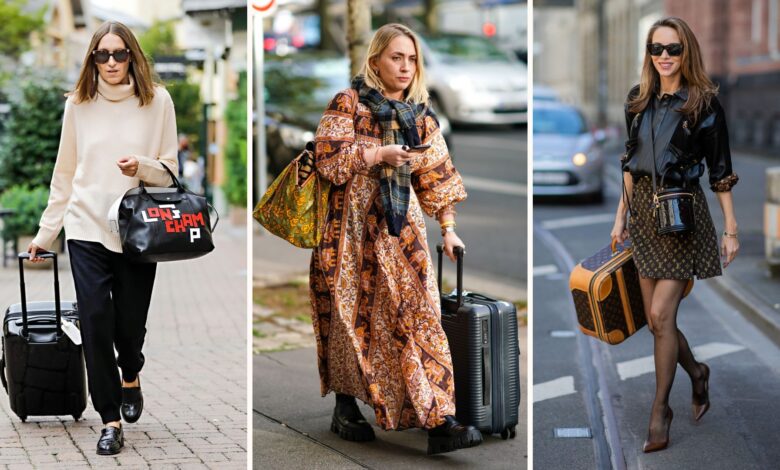
There’s a very specific kind of pre-holiday panic that hits about two days before you travel. The suitcase is open. Every item you own is somehow on the bed. And yet, nothing goes together. Sound familiar?
The good news: a city break capsule wardrobe fixes all of that. A small, intentional edit of pieces that mix, match, and work across every occasion, from a morning market to a late-night dinner, means you spend less time packing and more time actually enjoying the trip.
Here’s how to build one that pulls its weight.
Start With a Colour Palette That Does the Heavy Lifting
Before you grab a single item, decide on your palette. For summer city breaks, think warm neutrals, cream, tan, terracotta, anchored by one or two accent colours. Navy and white is a classic. Dusty pink and camel feels fresh right now.
The point isn’t to be boring. The point is that everything works together without effort. When your base tones are consistent, you can get dressed in five minutes and still look like you planned the whole thing.
The Pieces That Earn Their Place in Your Case
Dresses That Work Two Ways
Dresses are genuinely the most efficient item in a travel wardrobe. One piece, no coordination required, instant outfit. For summer city breaks, aim for two or three that can transition between day and night.
A linen midi dress in a neutral tone is endlessly useful, wear it to explore a neighbourhood, add a raffia bag and sandals, done. A strappy going-out dress in a bold print or solid colour handles evening plans. The key is choosing cuts that feel comfortable in heat but polished enough for a restaurant or rooftop bar.
Holiday co-ords are another strong option here. A matching set, think a crinkle fabric two-piece or a printed wide-leg trouser and crop top, gives you the visual impact of a full outfit while doubling as separates. Wear the top with denim during the day, the trousers with a simple vest at night.
Versatile Bottoms
Two pairs of trousers and one skirt is enough. A pair of linen wide-legs in a neutral colour. One pair of tailored shorts or relaxed denim. And a simple midi skirt, wrap styles are particularly useful because they pack flat and suit most body types.
Tops That Layer or Stand Alone
Keep these simple. Three or four tops that mix easily with everything else. A white shirt earns its place on every trip, it goes over a swimsuit, under a blazer, or tucked into a skirt. A couple of lightweight vest tops in neutral tones fill the gaps.
One Jacket or Blazer
City evenings can cool down even in summer, and air conditioning in restaurants and museums is relentless. A lightweight blazer or an oversized linen shirt worn as a layer covers both. Stick to a neutral that works across your whole wardrobe.
Shoes: Three Pairs Maximum
A flat sandal for daytime walking. A slightly elevated sandal or mule for evenings. A comfortable trainer if you know you’ll be covering serious ground. That’s it. More than three pairs is weight you don’t need.
How to Make It Work Across Different City Climates
City breaks happen year-round, and the wardrobe needs to flex with the destination.
Warm European cities in summer (Barcelona, Rome, Athens): Lean into linen, cotton, and breathable fabrics. Dresses dominate. Keep layers minimal, a thin kimono or a light shirt is enough.
Cities with unpredictable weather (London, Paris, Amsterdam): Add one pair of straight-leg trousers in a heavier fabric and swap the blazer for something slightly more structured. A crossbody bag that fits a compact umbrella is worth it.
Winter city breaks (Prague, Edinburgh, Vienna): The capsule shifts, knitwear replaces lightweight tops, and boots replace sandals, but the principle stays the same. A neutral coat, two or three layering pieces, and one or two dresses worn with tights and ankle boots still gives you a full week of outfits.
The Details That Pull It Together
Accessories do more work than most people give them credit for. A few gold hoops and a simple necklace can shift a daytime outfit into something that looks genuinely dressed up. A structured bag elevates even the most casual look.
Scarves are endlessly useful on city breaks, a silk square works as a hair accessory, a bag tie, or a lightweight layer over your shoulders in the evening. They take up almost no space and add variety without adding weight.
A Final Word on Buying New Pieces
If your capsule has a gap, you need a versatile dress or a pair of sandals that actually go with everything, buy with intention. Choose quality over novelty, and opt for pieces you’d genuinely wear at home too. The goal is a wardrobe that travels well and earns its place long after the holiday is over.
Pack light, choose well, and actually enjoy the part where you get dressed.