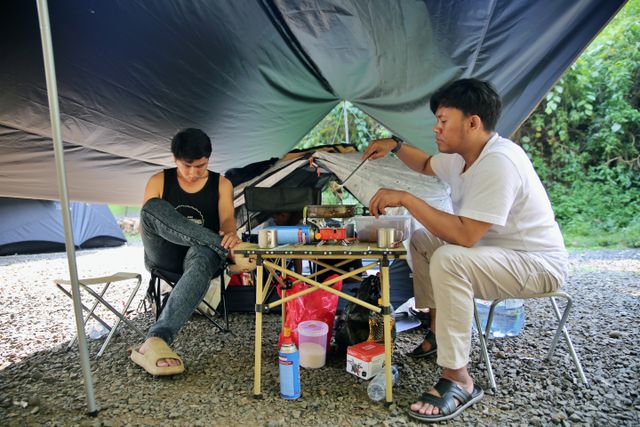
Ever stared at a gear list and felt your brain just… lock up? That paralysis is real. Somehow people talk themselves into needing the perfect tent, a certification, two straight weeks of sunshine before they can justify sleeping outside. None of that’s true. Good decisions before you leave the driveway. Mental flexibility once you’re out there. Those two things. Everything else untangles once you’ve got them handled.
1. Plan Your Trip Location and Timing Carefully
Where you go matters. So does when. Hunt down recent visitor reviews, not the marketing copy, the actual reviews. Check seasonal weather patterns. Confirm what facilities the campground genuinely delivers versus what the brochure claims. Peak season? Spots vanish in hours. Roll up without a reservation and you’re either pitching beside a dumpster or turning the car around. Beginners belong in established campgrounds with toilets, running water, other humans nearby. Backcountry terrain is a different animal entirely; the margin for error shrinks fast out there. Shoulder seasons, early fall and late spring, bring cooler temps and far thinner crowds. Start somewhere forgiving. Chase harder conditions after a few trips have roughened your instincts.
2. Invest in Quality Gear That Matches Your Needs
Camping gear spans a wild price range, from bargain-bin to genuinely painful. What’s worth spending on? Depends entirely on how often you head out and what conditions you’ll actually face. Three items anchor everything: a solid tent, a sleeping bag rated for your climate, a decent sleeping pad. Resist the cheapest versions; a three-season tent handles summer and fall beautifully but folds under serious winter snow load. An ultralight backpacking shelter costs more than a roomy car-camping setup. But it weighs a fraction of it.
Test everything before the real trip. Pitch the tent in your yard. Climb into that sleeping bag indoors and confirm it actually keeps you warm. Dry runs catch problems while help is still close. Then sort your kit by category: shelter, cooking, clothing, safety. That way, nothing disappears into the chaos of a duffel, and you’re not hunting for a headlamp at midnight.
3. Master Basic Campsite Safety and Bear Awareness
Safety is more than a first-aid kit jammed into a side pocket. It’s how you run the whole operation. Food, toiletries, anything with a scent should be locked in a bear-proof canister or hung at least ten feet up and four feet from the trunk. That habit protects you and keeps wildlife from becoming the next camper’s problem. No scattered trash. Ever. Cook well away from your sleeping area; nocturnal visitors follow their noses, not your schedule.
Fire. Non-negotiable. Stick to the established ring, keep the flames small, and don’t walk away from it, not even briefly. Douse it completely before sleep or departure. Fully, not mostly. And check fire restrictions before you leave home; seasonal bans blindside people every single year without fail. Backcountry trips are a different story because emergencies escalate fast out there, with no one coming quickly. That’s exactly why campers preparing for both camping and survival scenarios lean hard on thorough checklists, because critical safety items have a way of staying home when you don’t write them down. Water near the site? Learn the currents. Bring flotation gear. Set clear ground rules for kids and anyone who can’t swim.
4. Prepare Meals and Water Management Strategically
Meal planning keeps you fed, trims costs, and cuts waste. Lean on shelf-stable staples like pasta, rice, canned vegetables, granola, and dried fruit. Simple recipes. A camp stove or a fire, depending on what the site allows. Pre-portion ingredients at home in reusable containers. It saves space and makes outdoor cooking far less chaotic than improvising on a picnic table in fading light.
Water deserves serious thought. Find out whether potable water exists at your site or whether you’re hauling every drop in yourself. For remote trips, learn to purify through boiling, filtering, chemical tabs, or whatever your setup supports. Bring more than you think you’ll need. Heat and exertion push consumption higher than most people expect. Keep containers clean, food-grade, and out of direct sun to slow bacterial growth.
5. Develop a Flexible Mindset and Contingency Plans
The campers who do this well aren’t the ones with the fanciest gear. They adapt without unraveling. Weather turns ugly. Zippers fail. Legs give out two miles before the planned site. Tarps, duct tape, and a multi-tool are cheap items that solve problems which would otherwise kill a trip entirely. Download offline maps before you leave; cell service vanishes without warning, and “I’ll figure it out when I get there” is a genuinely terrible strategy.
Physical prep matters too. Build endurance before a demanding trip, starting with shorter hikes first and longer ones later. Pack blister supplies and pain relievers. Your feet will make the argument for you if you skip that step. Here’s the thing, though: some of the best camping memories come straight from situations that went completely sideways. An unexpected storm. A wrong turn. A plan abandoned entirely. Treat those moments as the experience, not a deviation from it. That one shift in thinking turns frustration into something worth telling people about later.
Conclusion
Smart camping isn’t about expertise. It’s preparation colliding with adaptability: picking your location carefully, buying gear that fits your actual situation, knowing the safety fundamentals, thinking through food and water ahead of time, and staying loose when plans shift. None of it demands a massive budget or years in the backcountry. It rewards people who do their homework and treat every trip as a lesson. First-timer or someone returning after a long gap, these principles hold up across the board, whatever your style or skill level.