The landscape of automotive security is shifting at a pace that few could have predicted just half a decade ago. As we navigate the streets of Leeds in 2026, the vehicles we drive have transformed from mechanical transport into mobile data centers. The traditional image of a locksmith—someone with a heavy ring of metal blanks and a file—is rapidly becoming a relic of the past. Today, getting back into your car or replacing a lost key is as much about software engineering as it is about physical manipulation. This transition has created a new set of challenges for drivers who find themselves locked out of their sophisticated vehicles in the middle of a busy West Yorkshire afternoon.
When you find yourself stranded near Headingley or the city centre, the urgency to find a reliable Auto Locksmith Leeds becomes your only priority. This is precisely when a dedicated team like 24hr Auto Locksmith Leeds steps in to bridge the gap between high-tech security failures and practical roadside solutions. In this era of ultra-connected cars, the “hidden truth” is that not all service providers have kept pace with the technological revolution. Understanding what to look for in a modern technician is the difference between a quick, non-destructive resolution and a costly, weeks-long ordeal involving a main dealership.
The Evolution of Entry: Beyond the Metal Blade
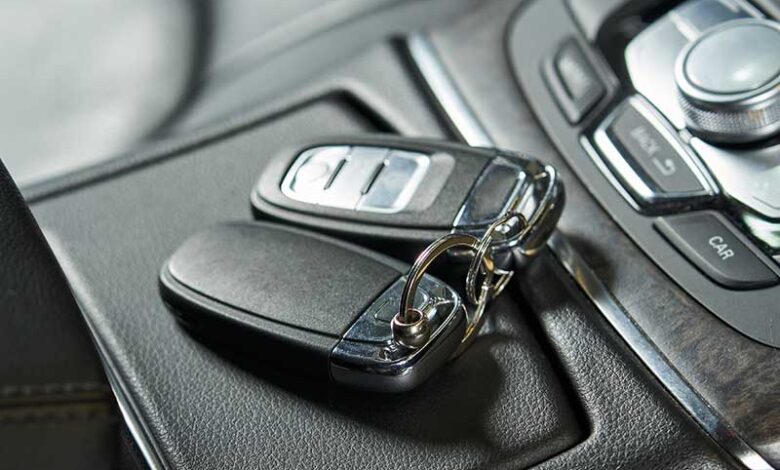
By 2026, the physical car key has largely moved from the pocket to the smartphone. Ultra-Wideband (UWB) technology and Bluetooth Low Energy (BLE) are now standard in most vehicles manufactured in the last few years. This means your car recognizes your presence long before you touch the door handle. However, this convenience comes with a hidden complexity: when the digital handshake fails, you cannot simply “pick” a lock that doesn’t exist.
From Physical Pins to Encrypted Codes
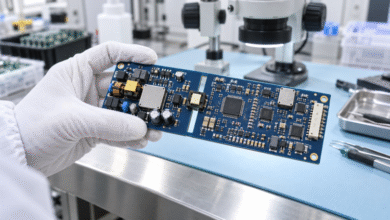
The modern technician must now act as a digital locksmith. The “hidden truth” is that many vehicles in 2026 no longer even feature an emergency lock cylinder on the exterior of the door. Instead, entry requires specialized diagnostic tools that can communicate with the car’s Secure Element (SE) chip.
- Digital Key Injection: The process of authorized “flashing” of a new security certificate to a vehicle.
- Token-Based Access: Using manufacturer-authorized cloud tokens to gain temporary entry permissions.
- Biometric Resets: Handling failures in fingerprint or facial recognition ignition systems.
The Death of the Slim Jim
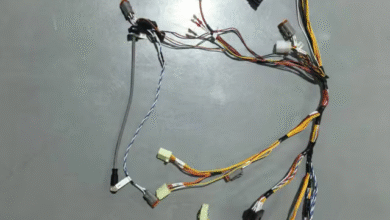
In 2026, using a “slim jim” or an air wedge on a modern vehicle is an invitation for disaster. Modern door panels are packed with side-impact sensors, complex wiring looms for ambient lighting, and electronic latching mechanisms. A non-specialist attempting a traditional entry method can easily trigger a permanent lockout mode or damage expensive internal sensors.
Why Electric Vehicles Demand a New Breed of Technician
Leeds has seen a massive surge in Electric Vehicle (EV) adoption, spurred by local clean air initiatives and the expansion of charging infrastructure along the M621. EVs like Teslas, Polestars, and the latest electric offerings from Volkswagen and BMW handle security very differently than internal combustion engine (ICE) vehicles.
High-Voltage Safety and Locksmithing
Working on an EV is not just about the lock; it is about the electrical architecture. A modern technician must be trained in high-voltage safety protocols. If a key replacement requires accessing the 12V auxiliary system or the main gateway, the risk of an electrical arc is real.
1. Specialized PPE: Technicians now carry insulated tools and gloves as standard.
2. Gateway Access: Knowledge of how to bypass the secure gateways that protect the car’s main computer from unauthorized OBDII (On-Board Diagnostics) access.
3. Battery Preservation: Ensuring that the security reset process doesn’t drain the auxiliary battery, which can lead to a complete system “bricking.”
Software Over Hardware
The truth about EV security in 2026 is that the “key” is often just a line of code. If your vehicle’s infotainment system crashes or its cellular connection drops, you might find yourself locked out even if you have your phone on you. A qualified professional in Leeds now carries portable signal boosters and localized servers to re-establish that connection on the spot.
The Rising Threat of Signal Relay Theft and Cyber-Locksmithing
As cars have become smarter, so have the criminals. The “hidden truth” of 2026 is that traditional car theft has been replaced by signal relay attacks and CAN-bus injections. This has forced the locksmith industry to pivot into a cybersecurity role.
Defending Against Relay Attacks
In areas like Alwoodley or Roundhay, where high-end vehicles are common, relay theft remains a concern. A professional locksmith is no longer just someone who fixes problems; they are security consultants. They can provide and program specialized hardware that disables the key’s signal when it is stationary or install secondary “ghost” immobilizers that require a specific sequence of button presses on the steering wheel to start the car.
CAN-bus Injection Awareness
Thieves in 2026 have found ways to access a car’s internal communication network—the CAN-bus—often through a headlight or a sensor. A true expert understands these vulnerabilities. When they provide a replacement key, they don’t just program the new one; they perform a full security audit of the car’s software to ensure no “phantom” keys or unauthorized access points have been left behind by previous malicious attempts.
Navigating the Leeds Locksmith Market: Avoiding the Ghost Technicians
The digital landscape of 2026 is unfortunately filled with AI-generated scams. When you search for help, you may see hundreds of listings that look legitimate but are actually “ghost” call centers with no physical presence in West Yorkshire.
The Danger of the Middleman
These call centers take your details and sell the job to the lowest bidder. These subcontractors often lack the £50,000+ investment in diagnostic equipment required to work on 2026-model vehicles. They might arrive, realize they can’t do the job, and still charge a “call-out fee,” leaving you exactly where you started.
- Verify Local Knowledge: Ask them about specific Leeds landmarks or traffic conditions.
- Check for Physical Addresses: A legitimate business will have a verifiable base in the Leeds area.
- Inquire About Equipment: Specifically ask if they can handle “Secure Gateway” (SGW) vehicles, which are standard in 2026.
The Price of Expertise
The “hidden truth” about pricing in 2026 is that “cheap” doesn’t exist in automotive security. The cost of the software licenses required to program a 2026 Mercedes or Audi key is immense. If a quote seems too good to be true, the technician is likely using “clone” hardware from unregulated sources, which can lead to your vehicle’s warranty being voided or the car’s computer system failing a week later.
The Critical Importance of 24-Hour Availability in a Global City
Leeds is a city that never sleeps. From the medical professionals at St James’s University Hospital finishing a late shift to the logistics workers in the sprawling warehouses along the M1 corridor, the need for security assistance doesn’t follow a 9-to-5 schedule.
Emergency Response in the Zero-Emission Zones
With parts of Leeds city centre now operating as zero-emission or restricted-access zones, a mobile locksmith must have the right fleet to reach you. A professional service in 2026 utilizes electric vans or even high-tech e-cargo bikes to bypass city centre congestion and reach stranded drivers in record time.
Real-Time Diagnostics
The advantage of a 24-hour specialist is the ability to perform remote diagnostics. In 2026, you can often send a digital “handshake” from your car to the locksmith’s office before they even leave. This allows them to ensure they have the exact software patches and key blanks needed for your specific VIN (Vehicle Identification Number), ensuring a first-time fix even at 3:00 AM.
Choosing Your Specialist: A 2026 Checklist
To ensure you are not caught out by the complexities of modern vehicle security, follow this checklist when hiring a professional in Leeds:
1. Software Compatibility: Do they have the latest licenses for 2025 and 2026 models?
2. Identity Verification: Will they ask for your V5 logbook and photo ID? (A pro will always verify ownership).
3. Non-Destructive Guarantee: Do they promise to use only electronic or pick-based entry?
4. Local Reputation: Can they point to a long history of serving the West Yorkshire community?
5. Warranty: Do they offer a minimum 12-month warranty on both the part and the electronic programming?
Conclusion
The “hidden truth” about being an auto locksmith in Leeds in 2026 is that the job is no longer about metal; it is about data, encryption, and electrical safety. As vehicles continue to evolve into complex autonomous and semi-autonomous machines, the gap between “standard” locksmiths and “automotive security engineers” will only widen.
For the residents of Leeds, staying informed is the best defense against the stress of a vehicle lockout. By choosing a professional who invests in the latest technology and understands the local landscape, you ensure that a lost key is merely a temporary speed bump rather than a catastrophic failure. Whether you are driving a vintage 2015 petrol hatchback or a brand-new 2026 flagship EV, the peace of mind that comes with expert service is irreplaceable. In a world of increasing digital complexity, the human touch of a skilled, local professional remains the ultimate key to security.