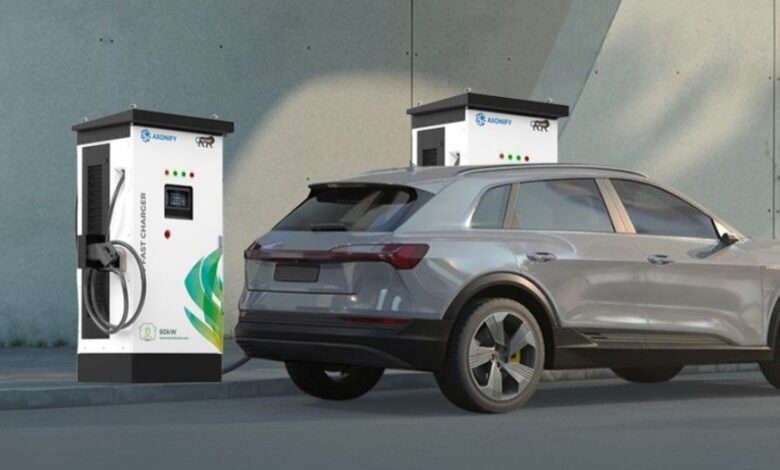
The transition to electric vehicles is no longer something businesses can ignore. What was once considered a future trend has become a present-day reality. Every year, more drivers switch to electric vehicles, and they increasingly expect workplaces, retail centers, office buildings, and commercial properties to support their charging needs.
For business owners, this shift creates both a challenge and an opportunity. The challenge is adapting infrastructure to meet changing customer and employee expectations. The opportunity is transforming parking spaces into valuable assets that attract visitors, improve employee satisfaction, and support long-term sustainability goals.
Businesses that invest early in EV charging infrastructure are positioning themselves ahead of competitors. Instead of viewing charging stations as an expense, many organizations now see them as a strategic investment that can enhance property value, strengthen brand reputation, and create new revenue opportunities.
The Growing Demand for Workplace and Commercial Charging
Electric vehicle adoption continues to accelerate across many industries and regions. As more consumers purchase EVs, the availability of charging becomes an important factor in where they work, shop, and spend time.
Employees who drive electric vehicles often prefer workplaces that provide convenient charging access during the workday. Likewise, customers increasingly seek businesses where they can recharge their vehicles while shopping, dining, or attending appointments.
This shift is particularly noticeable in commercial properties, office campuses, retail centers, multifamily developments, and industrial facilities. Businesses that offer charging can create a more attractive environment while supporting broader sustainability initiatives.
Industry experts and business owners alike recognize that charging infrastructure is becoming an expected amenity rather than a luxury feature. Many commercial property operators now consider EV charging part of their long-term facility planning strategy.
Benefits Beyond Sustainability
While environmental responsibility is often the first reason businesses explore EV charging, the benefits extend much further.
Improved Employee Experience
Employee expectations continue to evolve. Competitive employers are constantly looking for ways to enhance workplace benefits and create a better experience for their teams.
Providing charging stations can help employees save time and reduce concerns about vehicle range. Instead of searching for public charging stations after work, they can conveniently charge during the workday.
As EV ownership grows among professionals, charging access can become an important factor in employee satisfaction and retention.
Enhanced Customer Attraction
Businesses that welcome EV drivers may benefit from increased foot traffic and longer customer visits.
When customers charge their vehicles, they often spend additional time on-site. Retail stores, restaurants, hotels, and shopping centers can potentially benefit from this extended dwell time. Discussions among business owners and EV drivers frequently highlight the value charging can bring as an amenity that encourages visitors to stay longer and return more often.
Future-Proofing Commercial Properties
Property owners face growing pressure to prepare for changing transportation trends. Buildings designed today will likely serve tenants and visitors for decades.
Installing charging infrastructure now helps future-proof commercial properties. Instead of making reactive upgrades later, businesses can develop scalable charging systems that accommodate increasing demand over time.
According to Ampaway, modern charging solutions are often designed with future expansion in mind, allowing businesses to add charging capacity as adoption grows.
Overcoming Common Challenges
Despite the advantages, many organizations hesitate because they assume implementation will be expensive or difficult.
Fortunately, modern charging providers have developed solutions that address many traditional concerns.
Electrical Capacity Constraints
One common concern is whether a building has enough electrical capacity to support multiple chargers.
Advanced load management technology helps distribute available power efficiently across charging stations. This allows many businesses to deploy charging infrastructure without immediately investing in costly electrical upgrades.
Maintenance and Reliability
Another concern involves ongoing maintenance.
Charging stations that experience downtime can frustrate users and create operational headaches. Businesses increasingly seek providers that offer monitoring, maintenance, and support services to keep systems functioning reliably.
A managed approach reduces the burden on facility teams while improving charger uptime and performance.
Scalability
Many companies worry about investing in infrastructure that could quickly become outdated.
The best charging strategies focus on scalability from the beginning. Businesses can start with a modest installation and expand as employee, customer, or fleet demand increases. This phased approach helps control costs while supporting long-term growth.
Choosing the Right Partner
Not all charging solutions are created equal. Businesses should evaluate providers based on installation expertise, software capabilities, maintenance support, scalability, and long-term operational management.
A comprehensive approach often delivers the best results. Rather than coordinating multiple vendors, many organizations prefer a single provider that handles planning, installation, software, maintenance, and ongoing support.
Companies exploring ev charging for businesses can benefit from solutions that simplify deployment while minimizing operational responsibilities. Managed charging platforms help property owners focus on their core operations while ensuring drivers receive a reliable charging experience.
The Financial Opportunity
Many businesses initially view EV charging as an operational expense. However, the economics can be more favorable than expected.
Charging infrastructure may generate direct revenue through charging fees, subscription programs, or usage-based pricing models. Beyond direct revenue, businesses often benefit from increased customer traffic, tenant attraction, employee retention, and enhanced property value.
Industry discussions consistently highlight that successful charging deployments often create value beyond the electricity itself. Businesses frequently use charging as a strategic amenity that supports broader commercial goals.
Looking Ahead
The transportation landscape is changing rapidly. Electric vehicles are becoming more common on roads, in corporate fleets, and among everyday commuters.
Businesses that begin planning today will be better positioned for tomorrow’s demands. Whether the goal is attracting customers, supporting employees, increasing property value, or advancing sustainability initiatives, EV charging infrastructure offers a practical way to prepare for the future.
Organizations that take a proactive approach are not simply installing charging stations—they are investing in a more resilient, attractive, and future-ready business environment. As EV adoption continues to accelerate, the question is no longer whether businesses should consider charging infrastructure, but how soon they can begin implementing it.