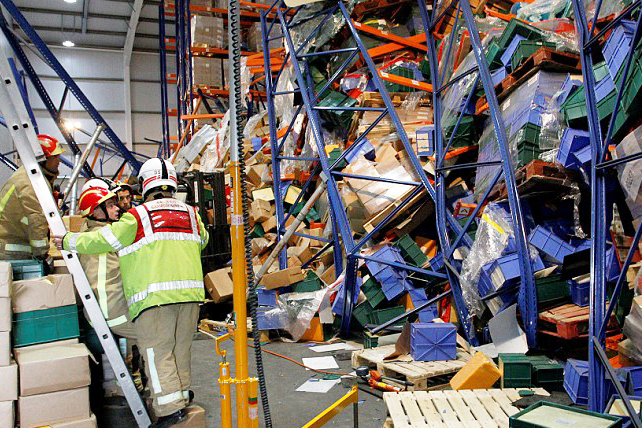
Warehouses across the UK rely heavily on pallet racking systems to organise and store goods efficiently. These structures are designed for strength, but they are not immune to damage.
Understanding the most common causes of racking damage helps businesses take preventative action. When issues do arise, timely Pallet Racking Repairs are essential to maintain safety.
Identifying When Pallet Racking Repairs Are Needed
Regular inspections often reveal the need for professional Pallet Racking Repairs. Damage can develop gradually or occur suddenly after an impact.
Warning signs include:
- Uprights leaning slightly out of alignment
- Visible dents or buckling at the base
- Beams that appear twisted or sagging
- Missing locking pins
- Cracks at welded joints
Any of these issues should trigger immediate review. Continuing to load damaged racking increases structural stress.
Forklift Impacts
The most common cause of damage is forklift contact. Tight aisles and high activity levels create frequent opportunities for minor collisions.
Ground level uprights are particularly vulnerable. Even a low speed impact can weaken steel columns. Over time, repeated contact in the same location compounds the problem.
Column protectors can reduce risk, but they do not eliminate it entirely.
Overloading and Uneven Distribution
Each racking system is designed with specific load limits. Exceeding these limits places strain on beams and frames.
Problems also occur when loads are unevenly distributed. For example, placing heavier pallets consistently on one side of a bay can cause twisting.
Clear load notices and proper staff training help prevent overloading. Where damage has already occurred, professional repairs restore capacity safely.
Poor Installation or Modifications
Improper installation can create long term vulnerabilities. Incorrect anchoring, uneven floors, or misaligned frames may compromise structural performance.
Similarly, unauthorised modifications such as drilling additional holes or welding components can weaken the system.
Repair specialists assess the entire structure to identify underlying issues, not just visible damage.
Corrosion and Environmental Factors
In certain environments, especially those with moisture or chemical exposure, corrosion can weaken steel over time.
Regular inspection is particularly important in food production or chilled storage facilities. Early intervention prevents deterioration from spreading.
Repair work may involve replacing affected components or applying protective measures to reduce future corrosion.
The Repair Process
Professional repair teams follow a structured approach:
- Initial assessment and damage categorisation
- Recommendation of repair or replacement
- Isolation and offloading of affected bays
- Installation of repair kits or new components
- Final inspection and documentation
This process ensures that safety is prioritised at every stage.
Benefits of Structured Repairs
Investing in professional repairs delivers multiple benefits:
- Restored load capacity
- Reduced risk of collapse
- Compliance with UK regulations
- Extended system lifespan
- Improved staff confidence
In addition, documented repairs demonstrate due diligence if inspected by authorities.
Preventative Strategies
While repairs are sometimes unavoidable, prevention remains the most effective long term strategy.
Warehouse operators can reduce damage by:
- Reviewing aisle widths
- Installing protective barriers
- Reinforcing operator training
- Conducting regular internal inspections
- Scheduling annual expert assessments
Combining prevention with rapid repair response creates a safer working environment.
Conclusion
Pallet racking systems face constant pressure in busy UK warehouses. Forklift impacts, overloading, installation issues, and environmental factors all contribute to damage over time.
When problems arise, professional pallet racking repairs restore safety and structural integrity. Addressing issues promptly protects staff, stock, and business continuity.
For warehouse operators committed to maintaining high safety standards, structured inspection and repair programmes are not optional. They are an essential part of responsible facility management.