Starting a jewelry business has never been more accessible. Consumers are increasingly drawn to unique pieces that reflect their personal style, creating opportunities for independent jewelry brands to thrive. At the same time, sourcing and manufacturing options have expanded, making it easier to develop collections using materials like stainless steel, 925 sterling silver, and brass.
Many entrepreneurs now work with experienced production partners such as UVARA Jewelry Manufacturer, a reliable custom jewelry company in China, to bring their ideas to life. While launching a jewelry business requires careful planning, focusing on a few key fundamentals can make the process far more manageable. From defining a niche and developing a collection to finding the right manufacturing partner, a few strategic steps can help build a strong foundation for long-term growth.
Decide What Kind of Jewelry Brand You Want to Build
Before designing products or contacting manufacturers, it’s important to define what your jewelry business will represent. Having a clear direction from the start can simplify countless decisions later on.
The first step is understanding exactly who you want to serve. Are you creating affordable everyday accessories, minimalist designs, or bold statement pieces? The answer will influence everything from product development to marketing strategy.
Next, consider the types of jewelry you want to offer. Many new businesses focus on popular materials such as stainless steel jewelry, 925 sterling silver jewelry, or brass jewelry. Each material appeals to different customer preferences, style trends, and price points.
Choosing a specific niche can also help your business stand out in a crowded market. More importantly, it allows you to create targeted marketing campaigns and build stronger connections with your ideal customers. When you have a clear understanding of your audience and product focus, future decisions become much easier to navigate.
Build a Collection That Reflects Your Brand
One of the biggest mistakes new jewelry entrepreneurs make is launching with too many products. While a large catalog may seem appealing, a focused collection often delivers better results during the early stages.
As you develop your collection, choose pieces that work well together and support a consistent aesthetic. Whether you’re offering rings, necklaces, bracelets, or earrings, customers should be able to recognize a common style across the entire collection.
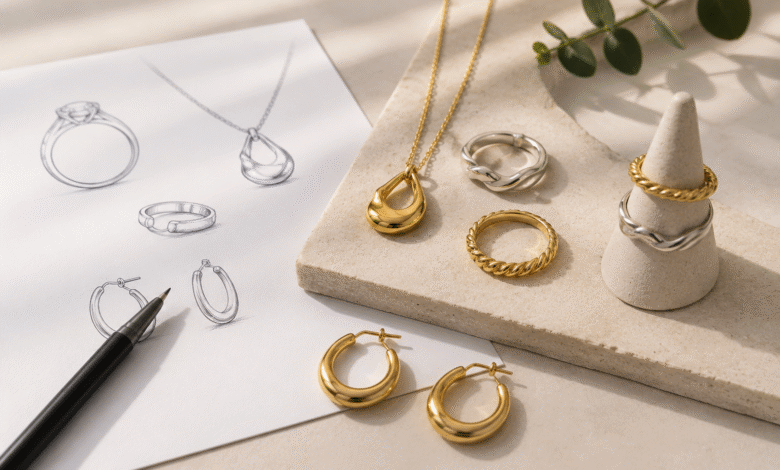
Material selection plays an important role here as well. Many businesses combine different materials to appeal to a broader audience. Durable stainless steel jewelry is often favored for everyday wear, while 925 sterling silver pieces appeal to customers looking for a more premium option. Brass jewelry can add flexibility and variety to fashion-focused collections.
Starting with a smaller range also allows you to gauge customer interest before making larger inventory commitments. Feedback, sales performance, and customer preferences can provide valuable insights that help shape future product development.
Find the Right Manufacturing and Supply Partners
The success of a jewelry business often depends on the quality and reliability of the partners behind the products. Whether manufacturing locally or overseas, selecting the right supplier is one of the most important decisions a business owner will make.
When evaluating manufacturers, look beyond pricing alone. Product quality, communication, production capacity, and consistency all contribute to a successful long-term partnership. Requesting samples can help assess craftsmanship, finishing details, and overall material quality before moving forward.
It’s also helpful to understand the strengths of different jewelry materials. Stainless steel jewelry is known for its durability and resistance to tarnishing. 925 sterling silver offers timeless appeal and a premium feel, while brass jewelry provides versatility for a wide range of designs. Manufacturers such as UVARA Jewelry often work with multiple materials, giving businesses flexibility when developing collections.
Production timelines and minimum order quantities should also be considered, particularly for new businesses that need to manage inventory and cash flow carefully. The goal is to find a partner that can balance quality, pricing, and scalability as demand grows.
Set Up the Business Side of Your Brand
Strong product designs are important, but sustainable growth requires a solid business foundation behind them.
Begin by developing a pricing strategy that accounts for production, packaging, shipping, marketing, and operating costs. Pricing should not only cover expenses but also reflect the value customers place on your products. A thoughtful pricing structure helps support profitability while remaining competitive within your target market.
Brand identity deserves equal attention. Elements such as your logo, packaging, website, and visual presentation should work together to create a consistent customer experience. Even small details can influence how customers perceive your jewelry business.
Before launching, take the time to properly register your business and organize key operational processes. Clear systems for inventory management, order fulfillment, and customer service can help reduce challenges as sales begin to grow.
Start Marketing Before You Launch
Marketing efforts should begin well before your products officially become available. Building awareness early can help create momentum and attract potential customers before launch day arrives.
A professional website and active social media presence provide a strong starting point. Sharing behind-the-scenes updates, product previews, and development milestones can help build anticipation among potential buyers. High-quality photography is especially important, as it allows customers to appreciate the details and craftsmanship of your jewelry.
Storytelling can also be a powerful marketing tool. People often connect with the inspiration behind a collection just as much as the products themselves. At the same time, building an email list before launch can give you a valuable audience to engage once your collection is ready. Many growing jewelry businesses that work with manufacturing partners like UVARA Jewelry begin cultivating customer interest months before their first product release.
Conclusion
Starting a jewelry business involves much more than creating attractive products. Choosing the right materials, building relationships with reliable manufacturing partners, and establishing a strong business foundation all contribute to long-term success. Rather than trying to do everything at once, focus on creating a clear vision, launching a well-curated collection, and making informed decisions as your business grows. The most successful jewelry companies often begin with a simple idea and a strong foundation, then expand strategically over time.